Արշակունյաց արքայատոհմ (անհատական նախագծային աշխատանք)

Արշակունյաց արքայատոհմ (անհատական նախագծային աշխատանք)

Նախաբան

   Մեր թվարկության արշալույսը դարձավ Արտաշիսյան թագավորության մայրմուտը: Դրան հաջորդող հինգ տասնամյակների ընթացքում հարևան տերությունները՝ Հռոմն ու Պարթևստանն աշխատում էին վերացնել և ոչնչացնել Հայկական թագավորության երբեմնի փառքն ու հզորությունը՝ գահին հաստատելով իրենց դրածո թագավորներին:Հռոմը շարունակում էր վարել հայատյաց քաղաքականություն, այդ իսկ պատճառով էլ սկսեց մերձեցումը Պարթևստանի հետ: Եվ Հայաստանը սկսեց կառուցել Հռոմի դեմ իր պարիսպը, որը հետագայում դարձավ մի շարք խռովությունների պատճառ:

***

   Հայոց նոր թագավորությունը սկզբնավորեց Տրդատ արքան՝  Պարթև արքա Վաղարշակի կրտսեր եղբայրը: Նա փաստացի գահակալ դարձավ մ. թ. 66 թվականին: Նրա գահակալության մասին մեզ բազում  տեղեկություններ են տալիս Մովսես Խորենացին, Ագաթանգեղոսը և իհարկե լատինացի պատմիչ Կոռնելիոս Տակտիոսը՝ իր <<Տարեգրությունում>>: Դեպքերը շատ լավ շարադրված են նաև Դիոն Կասսիոսի <<Հռոմեական Պատմությունում>>:

   Վաղարշակը պարթևների գահին բազմում է մ. թ. 51 թվականին: Այնուհետև՝ մեկ տարի անց, նա իր բանակով շարժվում է Հայաստան, որպեսզի գահին բազմեցնի իր եղբայր Տրդատին: Տակտիոսն այս առիթով նշում է Վաղարշակի խոսքերը. <<Տրդատը՝ ծնված այն հորից, որից և ինքս, լինելով ինձնից կրտսեր, առաջնությունը զիջեց ինձ, և ես էլ նրան տվի Հայաստանի թագավորությունը, որը մեր գահատոհմի տիրակալության երրորդ աստիճանն է համարվում, քանի որ դրանից առաջ մարաստանցիներին իր տիրապետության տակ էր առել Պակորը (Բակուր)>>:

  Հավանաբար տակտիոսն ինչ որ բան շփոթում էր, քանի որՄարաստանը տվյալ ժմանակաշրջանում գոյություն չուներ որպես առանձին վարչական միավոր՝ այն պարզապես մարզ էր, իսկ բակուրին նա հավանաբար հանձնել է բուն Աղվանքի թագավորությունը: Այսպիսով  իրատես թագավոր և քաղքական գործիր Վաղարշակը ոչ միայն իր եղբայրների գլուխները զարդարեց թագերով՝ այլև խուսափեց հետագա գլխացավանքներից և արքունական գզվռտոցներից:

  Սակայն այս ամենից ետ չմնաց նաև Հռոմը: Հռոմի կայսր Ներոնը  54 թվականին թագավոր հռչակվելով սկսեց մշակել ծրագրեր այս դաշնությունը վերացնելու ուղղությամբ: Եվ նրա ծրագրերն անավարտ չմնացին, նա  իր զորավարն Կորբուլոնին ուղարկեց Հայաստանն ավիրելու, և հենց նա էլ անընդմեջ հաղթանակներ տարավ հայերի և պարթևների նկատմամբ: Այդուհանդերձ Տրդատը բազմում է գահին և թագ է ստանում Ներոնի կողմից: Եվ սկիզբ է դրվում մի նոր Արշակունիների արքայատոհմին, որը կառավարելու երկիրը դեռ չորս հարյուրամյակ:

  Չնայած, որ Տրդատ արքայի գահակալության մասին շատ տեղեկություններ չեն հասել, այնուամենայնիվ հստակ կարող ենք ասել, որ նա կարողացավ երկիրը ետ պահել կործանումից, դուրս հանեց այն դժվար իրավիճակից և իր հետնորդներին ժառանգեց հարուստ ու կայացած երկիր: Նա հաղթեց ալանական ցեղերին, որոնց հաջողվել էր ավիրել Տրդատի եղբայր Բակուրի տիրապետության տակ գտնվող Աղվանքը: Ժամանակը ցույց տվեց, որ Տրդատն այնպիսի դաս տվեց ալաններին, որ ալաններն այլևս չեն անահանգստացրել այսկովկասըյան երկրներին:

   Բազում տեղեկություններ են պահպանվել նաև նրա շինարարական աշխատանքների մասին: Ըստ վկայությունների Վաղարշակը Տրդատին տվել էր նաև հիսուն միլիոն դինար Արտաշատը վերաշինելու համար: Տրդատը այնպես վերաշինեց Արտաշատը, որ տեսնողները հիանում էին կատարված այդ ահռելի աշխատանքով: Վերակառուցողական աշխատանքներ կատարվեցին նաև մյուս նահանքներում: Օրինակ՝  Գառնիում կառուցվեց ամրոց հովանոց՝ արձաններով, և բազում զարդարանքներով՝իր քույր Խոսրովիդուխտի համար: Այս մասին հայտնի են Քերթողահոր արձանագրությունները:

   Քերթողահայրը տեսել է այս ամենը վկայող հունարեն արձանագրությունը դեռ այն ժամանակ, երբ կանգուն է եղել ամրոցի շինությունը: Բայց Քերթողահայրը այս ամենը վերագրել է մեկ այլ Տրդատի, որի մասին ավելի շատ ավանդություններ կան: Սակայն 19-րդ դարում հերքվում է այս ամենը: Իսկ ժամանակն ամեն ինչ ջրի երես հանեց այն ժամանակ, երբ պեղումների արդյունքում գտնվեց այդ արձանագրությունը, որոշ չափով  անընթերնելի, բայց գտնվեց: Այս ամենից հետևեց նաև, որ հեթանոսական տաճարը ևս Տրդատն էր  կառուցել:

   Շինարարական գործունեություն իհարկե ծավալվեց, բայց երկրի զարգացման համար անդորր էր անհրաժեշտ: Եվ Հայաստանը աստիճանաբար մեծ քայլեր կատարում դեպի առաջխաղացում: Սակայն նրա ճանպրհին կանգնել էր մի այնպիսի հզոր տերություն ինչպիսին էր Հռոմը, հետագայում նաև Պարթևստանը, քանի որ Տրդատը չիրականացրեց իր եղբոր ցանկությունները և Հայաստանը չհպատակեցրեց Պարթևստանին: Տրդատն ունենալով Պարթևական ծագում հետագայում այնքան կապվեց Հայաստանի հետ, որ կարծես սերած լիներ հայկական տոհմից:

   Ըստ Խորենացու Տրդատ Ա-ն թագավորել է մինչև 88 թվականը: Նրան հաջորդել է Սանատրուկը: Սանատրուկի գահակալության վերաբերյալ լավ է արտահայտվել անգամ անբարեհաճ Սվիդասը: Նա նշում է, որ թեև Սանատրուկը միջահասակ էր, սակայն հակում ուներ ամեն տեսակ մեծագործությունների: Սանատրուկը կառուցեց նաև Մծուրն քաղաքը, ընդարձակեց երկրի սահմանները՝ հարևան Օսրոենե երկրի վրա: Սանատրուկը գահակալեց շուրջ երկու տասնամյակ 88-109 թվականներին, իսկ դրանից հետո շուրջ 7 տարի գահակալական կռիվներ էին ընթանում:

   115 թվականին հռոմեական Տրայանոս կայսրը գրավեց Հայաստանը, ոտքի տակ տվեց Պարթևստանը, և հասավ մինչև Բաբելոն: Սակայն 117 թվականին Տրայանոսը մահացավ, և հայոց գահին բազմեց Սանատրուկի որդի Վաղարշը:

   Վաղարշ Ա-ն իր նախորդների օրինակով քայլեր ձեռնարկեց երկրի բարգավաճման և շենացման ուղղությամբ: Նրա օրոք զարգացավ առևտուրը: Նա վերակառուցեց Վարդգեսավանը, այն դարձրեց երկրի մայրաքաղաքը և վերանվանեց Վաղարշապատ:

   Վաղարշի վարած քաղաքականությունից դժգոհ էին և՛ պարթևները և՛ հռոմեացիները: Այդ իսկ պատճառով կայսր Անտոնիոս Պիոսը 144 թվականին արշավում է Հայստան, գահընկեց անում հայոց արքային և գահին է բազմեցնում Սոհեմոսին: Սոհեմոսը գահակալեց մինչև 190-ական թվականները: Նրան հաջորդեց Վաղարշ Բ-ն: Վաղարշից հետո գահը դարձավ ժառանգական, սակայն դա չխանգարեց երկու խոշոր հարևաններին հրաժարվելու իրենց հայատյաց քաղաքականությանից:

    Որոշ ժամանակ անց հայ-պարսկական փոխհարաբերությունները սրվեցին, երբ կառավարելու եկան Սասանյանները: Հայերը հավատրիմ էին մնացել պարսիկ Արշակունիներին, այդ իսկ պատճառով արշավանքներ ձեռնարկեցին Պարսկաստան՝ Սասանյանների դեմ: Դա էլ բերեց Սասանյանների ոչ բարեհաճ վերաբեմունքին:

    Սասանյան Արտաշիր Ա-ն 224 թվականին գահընկեց արեց Արշակունիներին և հաստատվեց պարսից գահին: Նա կառավարեց մինչև 239 թվականը: Նա մոլեռանդ ձևով դրոշի վրա բարձրացրեց մազդեզանդ կրոնը: Նա հուսով էր, որ կրոնի միջոցով կարող է ետ բերել Պարսկաստանի նախկին հզորությունը, և այդ ամենը նա կտակեց նաև իր հետնորդներին:

    Հաջորդ արքան Շապուհ Ա-ն էր: Նրա օրոք մետաղադրմաների վրա դրոշմվում էր ատրուշանը, և գրավված համարվում էին այն երկրները, որոնց բնակչությունն անվերապահորեն ընդունում էր զրադաշտականությունը: Շապուհը և նրա հաջորդները իրենց անվերապահ թշնամիներն էին համարում, ոչ միայն պարսիկ Արշակունիներին, այլև հայ Արշակունիներին: Սակայն հայ Արշակունիները պահպանեցին իրենց ինքնությունը դիմագրավելով քան՜ի- քան՜ի արշավանքների: Այդ առիթով կարող ենք հիշել Տրդատ Բ-ի (217-357) և նրա որդի Խոսրովի Բ-ի (279-287) մասնակցությամբ բազմաթիվ հերոսական դրվագներ:

  Հայոց երկիրը Սասնյանների դեմ անառիկ դարձավ հատկապես Տրսատ Գ-ի օրոք (298-330): Նա դեռևս գահին պետք է բազմեր իր հոր մահվան տարին, սակայն այդ ժամանակ գահին էին բազմել պարսիկ դրածոները: Տրդատը Հռոմում շատ ակտիվ գործունեություն է ծավալում: Նա հախթանակներ է տանում գոթերի դեմ: Նշանավոր էր նրա 295 թվականին տարած հաղթանակը Ներսեհ  արքայի նկատմամբ: Կայսրության զորքերի գլխավոր հրամանատարն էր Գալերիոս Մաքսիմիանոսը:  Ներսեհի զորքերը գլխովին ջախջախվեցին 297 թվականին, հենց այդ ժամանակ էլ  գերի ընկավ Ներսեհը: Եվ կնքվեց Մծբինի հաշտության պայմանագիրը՝ ըստ որի Պարսկաստանը պետք է հրաժարվեր Հայաստանից, և այն պետք է համարվեր անկախ պետություն՝ Հռոմի հովանավորությամբ: Սակայն ժամանակը ցույց տվեց, որ Տրդատը կարողացավ ապահովել իր երկրի ինքնուրույնությունը և հետագա տարիների ընփացքում երկիրը բռնեց բարգավաճման ու ծաղկման ուղին: Այդ շրջանում Հայաստանւ բարի-դրացիական հաչաբերությունների մեջ էր Իրանի, Հռոմի, ինչպես նաև Աղվանքի Վիրքի հետ: Իսկ ինչ վերաբերվում է ալաններին, ապա Տրդատը խուսափեց ալանների հարձակումներից՝ ամուսնանալով նրա աղջկա՝ Աշխենի հետ:

    Տրդատ Գ Մեծի օրոք լայն թափ ստացավ ավատատիրությունը: Նահանգների և գավառների կառավարիչները ձեռք բերելով որոշակի հողատարածքներ առաջ էին բերում ազատագրական միտումներ: Ասվածն ավելի լրջանում, երբ ի նկատի էնք ունենում ծայրամասային բնակավայրերը: Այդ-իսկ պատճառով պետք էր միջոցներ հանձ առնել: Եվ Տրդատը կառչեց հենց առաջին միջոցից՝ քրիստոնեությունից, ոչ միայն ընդունելով այն՝ այլև այն դարձնելով պետական կրոն աշխարհում առաջինը:

    Քրիստոնեությունը  այդ ժամանակաշրջանում համարվում էր անարդարության ու անհավասարության ընդվզումը: Այն շատ շուտով դարձավ ավատների դեմ հզոր զենք՝ միավորելով ողջ ազգին: Ըստ կրոնի անմահության արժանանալու էր նա, ով պետք է իր ողջ կյանքն ապրեր համեստ և մեղքեր չգործեր: Հայերի քրիստոնեւթյունն ընդունելու մասին մենք տեղեկություններ ենէ ստանում Ագաթանգեղոսի <<Հայոց Պատմությունից>>: Այնտեղ նկարագրվում են ոչ միայն առասպելական տեսարաններ՝ այլև հեղափոխական շարժումների և դրանց ղեկավարների մասին: Տրդատ Գ-ն սկզբից մեծ պայքար էր մղում քրիստոնեութան դեմ, սակայն հետո ինքը հարթեց քրիստոնեության ճանապարհը՝ Գչիգոր Պարթևի հետ: Նա հետագայում դարձավ հայոց եկեղեցու առաջին նվիրապետը:

   Ագանթանգեղոսի տված տեղեկությունների համաձայն Տրդատը Գրիգոր Լուսավորչին ուղարկում է Կեսարիա ձեռնադրվելու և նրա հետ նաև տասնվեց իշխանների. օրինակ՝ Անգեղ և Աղձնեաց տան իշխաններին:

   Ուշադրություն դարձնենք մի փաստի ևս. Հռոմեական կայսրությունը Հայաստանում քրիստոնեության ձևավորման նախնական շրջանում, երբ դեռ այն տարածված էր ցածր խավի մեջ, փորձում էր վերացնեկ այն , քանի որ գիտակցում էր, որ այն կմիավորի հայերին՝ ի տարբերություն հեթանոսության, որն արդեն հացրել պառակտվել:

    4-5 դարերը անվանվել են <<երկու հավատների բախման դարեր>>, պառակտումներ և զինված ելույթներ լինում էին ոչ միայն գավառներում՝ այլև արքունիքում: Այս ամենը շատ բնական էր, քանի որ պատմությունը ցույց է տվել, որ նոր կրոնները միշտ էլ <<լավ>> չէն ընդունվել:  Սակայն կարևորն այն է, որ հետագայում հենց նուն քրիստոնեությունը միավորեց հայերին հետագա ազտագրական պայքարներում մինչև- իսկ Վարդանանց պատերազմ:շ

  330 թվականին վախճանվեց Տրդատ մեծը: Նրան փոխարինելու եկաբ Խոսրով Բ Կոտակը:  Նրան Կոտակ էին անվանում իր կարճահասակության պատճառով: Նրա գահակալության տարիները թերևս կարճ էին (8 տարի), բայց և առանձնացող հայրենաշինության և նախարարական տների միավորման հարցում: Նա կառուցե Դվին քաղաքը, որի փոխարեն առաջ մի լքված և ամայի վայր էր:

   Սակայն  335 թվականին խախտվում է երկրի անդորրը: Հարևան Աղվանքից ներխուժում և ասպատակում է Հայաստանը Սանեսանը՝ պատճառաբանելով իր երկրում քրիստոնեոիթյան տարածումը Գրիգորիս եպիսկոպոսի կողմից: Նա նվաճում է Վաղարշապատը: խոսրով արքան սպասում է Վաչե Մամիկոնյան սպարապետին, որը իր զորքի հետ վարջնական ճակատամարտում տանում է հաղթանակ, երկրից դուրս գցում մազքութներին և սպանում Սանեսանին:

Վերջաբան

  338 թվականի վախճանվում է Խոսրովը և նրան փոխարինելու է գալիս նրա որդի Տիրանը: Նրա գահակալության առաջին տարում խախտելով Մծբինի հաշտության պայմանագիրը Հայաստան է ներխուժում Պարսից Շապուհ Բ արքան: Այդ ընթավքում պարբերական դարձան հայ- բյուզանդական ընդհարումները պարսիկների հետ: Երկիրը այդ իրավիճակից ետ բերելու համար Տիրանը դիմեց մի շարք ծայրահեղ միջոցների: Տիրանը մատնվեց պարսիկներին և կուրացավ: Այդ ժամանակ առանց որևէ խոսքի գահ բարձրացավ նրա որդի Արշակ Բ-ն, որն էլ դարձավ Արշակունիների տոհմի շարունակությունը:

Իմ կարծիքը

   Այսպիսով մեր թվարկությունից սկսած մինչև մոտավորապես 4-րդ դարի առաջին կեսը Հայոց աշխարհը ունեցավ և՛ վերելքներ և՛ վայրէջքներ: Նա և՛  եղավ  մի շարք երկրների տիրապետության տակ և՛ իր մեջ ընդգրկեց մի շարք երկրներ՝ թատերաբեմ դառնալով  Իրանի և Հռոմի համար: Սակայն այնուամենայնիվ կարողացավ դուրս գալ պատվով  բոլոր փորձություններից և իր հաջորդներին տալ միասնական կրոնով և տնտեսությամբ երկրիր:

Աղբյուր՝ <<Զրուցարան>> Բագրատ Ուլուբաբյան Մաս Ա:

Ընթերցումներ Սասունի բարբառով (նախագծային աշխատանք)

Ընթերցումներ Սասունի բարբառով (նախագծային աշխատանք)

Ուսումնասիրելով Սասունի մշակույթը, քաղաքակրթությունը, որոշեցինք անցում կատարել նաև բարբառին:

Նախաձեռնեցինք նախագիծ` << Ընթերցումներ Սասունի բարբառով>>:

Նախագծի ղեկավար`

Նունե Մովսիսյան:

Մասնակիցներ`

Լիլիթ Սարիբեկյան

Մարիա Դարբինյան

Տիգրան Չերքեզյան:

Շնորհակալություն դիտման համար:

Հունվարյան հաշվետվություն

Հունվարյան հաշվետվություն

2021 թվականի ուսումնական տարին սկսվեց հունվարյան ճամբարով: Հունվարյան ճամբարը ինձ համար ամենից հագեցած և հետաքրքրիր ժամանակահատվածն է: Դպրոց հաճախում էինք հիբրիդային ռեժիմով, պատճառը երկրում տիրող համաճարակն է:

Հունվար ամսին ունեցա այցելություն դեպի` Վիքիմեդիա և  ՆՁԱԿ-ի գիտատեխնիկական գրադարան:

Վիքիմիեդիայում ծանոթացացանք իրենց աշխատանքին և շրջեցինք շենքով:

ՆՁԱԿ-ի գիտատեխնիկական գրադարանում ունեցանք վեբինար-քննարկում: Հղումը` ստրև

Հանդիպում-վեբինար նորամուծության եվ ձեռներեցության ազգային կենտրոնում

Հայոց լեզու և գրականություն առարկայից ունեցանք ընթերցում-քննարկումներ: Մասնակցեցի երկու նախագծերի` Սասունի վանական համալիրները և Սասնա բարբառը հղումները ստորև`

Աղբերիկի վանք

Նկարչությունից աշխատել ենք մինիմալիզմի ժանրում:

Անգլերենից նույնպես ունեցել ենք ընթերցում-քննարկումներ: Նաև դիտել ենք ուսուցողական ֆիլմեր:

Զբաղվել ենք սեղանի թեննիսով:

Հոգեբանության ակումբում կատարել եմ նախագիծ հետևյալ վերագրով <<Մարդու խառնվածքները>>, հղումը` ստորև

Խառնվածքի տեսակները

Քաղաքագիտություն և պատմություն առարկաներից ունեցել ենք հանդիպում քննարկում` Պարոն Թոքմաջյանի և Պարոն Տիգրանյանի հետ: Թեման` ընտրություններ:

Իսպաներեն առարկայից` սովորել ենք երգեր, ելույթ ունեցել` Լիլիթ Բլեյանի հետ:

Դասերից զատ զբաղվել եմ ընթերցանությամբ և կատարել վերլուծություններ:

Հունվար ամիսը համարում եմ հագեցած և ստացված:

Խառնվածք

Խառնվածք

Խառնվածքը (լատ. temperamentum – չափսերի համապատասխան հարաբերություն) շատ թե քիչ կայուն տիպոլոգիական հատկանիշների ամբողջություն է, որը բնութագրում է անհատիհոգեկան գործընթացների և վարքի դինամիկ առանձնահատկությունները, դրանց ուժը, առաջացման, ընթացքի և դադարի արագությունը, ինչպես նաև ազդում են կենսագործունեության հուզական և էներգետիկ տոնուսի վրա։

Խառնվածքը հիմնականում պայմանավորված է մարդուբնածին, ժառանգական հատկություններով և համեմատաբար կայուն է, սակայն կարող է մարդու օնտոգենեզի ընթացքում կրել որոշակի փոփոխություններ՝ դաստիարակության և շրջակա միջավայրի ազդեցության շնորհիվ, գոյություն ունեն նաև խառնվածքի տարիքային փոփոխություններ։ Սակայն այդ փոփոխությունները կատարվում են շատ դանդաղ, միայն սահմանափակ սահմաններում և չեն վերաբերում նյարդային գործունեության ընդհանուր տիպին, այդ իսկ պատճառով դրանք հաճախ անտեսվում են, և խառնվածքի ձևավորման հարցում առաջնահերթությունը տրվում է ժառանգական գործոնին։ Խառնվածքը պայմանավորում է մարդու գործունեության ձևական առանձնահատկությունները և ուղղակիորեն չի ազդում դրա իմաստային պարունակության վրա։ Ինչպես նշում է Ստրելյաուն այն ցույց է տալիս, թե «ինչպես» է ընթանում այս կամ այն գործընթացը, և այդ ձևական հատկանիշները, որոնք պայմանավորված են խառնվածքով, չեն փոփոխվում և նույնական են ցանկացած տիպի գործունեության համար[1]:

Great Expectations Summary

Great Expectations Summary

Great Expectations is the story of Pip, an orphan boy adopted by a blacksmith’s family, who has good luck and great expectations, and then loses both his luck and his expectations. Through this rise and fall, however, Pip learns how to find happiness. He learns the meaning of friendship and the meaning of love and, of course, becomes a better person for it.

The story opens with the narrator, Pip, who introduces himself and describes a much younger Pip staring at the gravestones of his parents. This tiny, shivering bundle of a boy is suddenly terrified by a man dressed in a prison uniform. The man tells Pip that if he wants to live, he’ll go down to his house and bring him back some food and a file for the shackle on his leg.

Pip runs home to his sister, Mrs. Joe Gragery, and his adoptive father, Joe Gragery. Mrs. Joe is a loud, angry, nagging woman who constantly reminds Pip and her husband Joe of the difficulties she has gone through to raise Pip and take care of the house. Pip finds solace from these rages in Joe, who is more his equal than a paternal figure, and they are united under a common oppression.

Pip steals food and a pork pie from the pantry shelf and a file from Joe’s forge and brings them back to the escaped convict the next morning. Soon thereafter, Pip watches the man get caught by soldiers and the whole event soon disappears from his young mind.

Mrs. Joe comes home one evening, quite excited, and proclaims that Pip is going to “play” for Miss Havisham, “a rich and grim lady who lived in a large and dismal house.”

Pip is brought to Miss Havisham’s place, a mansion called the “Satis House,” where sunshine never enters. He meets a girl about his age, Estella, “who was very pretty and seemed very proud.” Pip instantly falls in love with her and will love her the rest of the story. He then meets Miss Havisham, a willowy, yellowed old woman dressed in an old wedding gown. Miss Havisham seems most happy when Estella insults Pip’s coarse hands and his thick boots as they play.

Pip is insulted, but thinks there is something wrong with him. He vows to change, to become uncommon, and to become a gentleman.

Pip continues to visit Estella and Miss Havisham for eight months and learns more about their strange life. Miss Havisham brings him into a great banquet hall where a table is set with food and large wedding cake. But the food and the cake are years old, untouched except by a vast array of rats, beetles and spiders which crawl freely through the room. Her relatives all come to see her on the same day of the year: her birthday and wedding day, the day when the cake was set out and the clocks were stopped many years before; i.e. the day Miss Havisham stopped living.

Pip begins to dream what life would be like if he were a gentleman and wealthy. This dream ends when Miss Havisham asks Pip to bring Joe to visit her, in order that he may start his indenture as a blacksmith. Miss Havisham gives Joe twenty five pounds for Pip’s service to her and says good-bye.

Pip explains his misery to his readers: he is ashamed of his home, ashamed of his trade. He wants to be uncommon, he wants to be a gentleman. He wants to be a part of the environment that he had a small taste of at the Manor House.

Early in his indenture, Mrs. Joe is found lying unconscious, knocked senseless by some unknown assailant. She has suffered some serious brain damage, having lost much of voice, her hearing, and her memory. Furthermore, her “temper was greatly improved, and she was patient.” To help with the housework and to take care of Mrs. Joe, Biddy, a young orphan friend of Pip’s, moves into the house.

The years pass quickly. It is the fourth year of Pip’s apprenticeship and he is sitting with Joe at the pub when they are approached by a stranger. Pip recognizes him, and his “smell of soap,” as a man he had once run into at Miss Havisham’s house years before.

Back at the house, the man, Jaggers, explains that Pip now has “great expectations.” He is to be given a large monthly stipend, administered by Jaggers who is a lawyer. The benefactor, however, does not want to be known and is to remain a mystery.

Pip spends an uncomfortable evening with Biddy and Joe, then retires to bed. There, despite having all his dreams come true, he finds himself feeling very lonely. Pip visits Miss Havisham who hints subtly that she is his unknown sponsor.

Pip goes to live in London and meets Wemmick, Jagger’s square-mouth clerk. Wemmick brings Pip to Bernard’s Inn, where Pip will live for the next five years with Matthew Pocket’s son Herbert, a cheerful young gentleman that becomes one of Pip’s best friends. From Herbert, Pips finds out that Miss Havisham adopted Estella and raised her to wreak revenge on the male gender by making them fall in love with her, and then breaking their hearts.

Pip is invited to dinner at Wemmick’s whose slogan seems to be “Office is one thing, private life is another.” Indeed, Wemmick has a fantastical private life. Although he lives in a small cottage, the cottage has been modified to look a bit like a castle, complete with moat, drawbridge, and a firing cannon.

The next day, Jaggers himself invites Pip and friends to dinner. Pip, on Wemmick’s suggestion, looks carefully at Jagger’s servant woman — a “tigress” according to Wemmick. She is about forty, and seems to regard Jaggers with a mix of fear and duty.

Pip journeys back to the Satis House to see Miss Havisham and Estella, who is now older and so much more beautiful that he doesn’t recognize her at first. Facing her now, he slips back “into the coarse and common voice” of his youth and she, in return, treats him like the boy he used to be. Pip sees something strikingly familiar in Estella’s face. He can’t quite place the look, but an expression on her face reminds him of someone.

Pip stays away from Joe and Biddy’s house and the forge, but walks around town, enjoying the admiring looks he gets from his past neighbors.

Soon thereafter, a letter for Pip announces the death of Mrs. Joe Gragery. Pip returns home again to attend the funeral. Later, Joe and Pip sit comfortably by the fire like times of old. Biddy insinuates that Pip will not be returning soon as he promises and he leaves insulted. Back in London, Pip asks Wemmick for advice on how to give Herbert some of his yearly stipend anonymously.

Narrator Pip describes his relationship to Estella while she lived in the city: “I suffered every kind and degree of torture that Estella could cause me,” he says. Pip finds out that Drummle, the most repulsive of his acquaintances, has begun courting Estella.

Years go by and Pip is still living the same wasteful life of a wealthy young man in the city. A rough sea-worn man of sixty comes to Pip’s home on a stormy night soon after Pip’s twenty-fourth birthday. Pip invites him in, treats him with courteous disdain, but then begins to recognize him as the convict that he fed in the marshes when he was a child. The man, Magwitch, reveals that he is Pip’s benefactor. Since the day that Pip helped him, he swore to himself that every cent he earned would go to Pip.

“I’ve made a gentleman out of you,” the man exclaims. Pip is horrified. All of his expectations are demolished. There is no grand design by Miss Havisham to make Pip happy and rich, living in harmonious marriage to Estella.

The convict tells Pip that he has come back to see him under threat of his life, since the law will execute him if they find him in England. Pip is disgusted with him, but wants to protect him and make sure he isn’t found and put to death. Herbert and Pip decide that Pip will try and convince Magwitch to leave England with him.

Magwitch tells them the story of his life. From a very young age, he was alone and got into trouble. In one of his brief stints actually out of jail, Magwitch met a young well-to-do gentleman named Compeyson who had his hand in everything illegal: swindling, forgery, and other white collar crime. Compeyson recruited Magwitch to do his dirty work and landed Magwitch into trouble with the law. Magwitch hates the man. Herbert passes a note to Pip telling him that Compeyson was the name of the man who left Miss Havisham on her wedding day.

Pip goes back to Satis House and finds Miss Havisham and Estella in the same banquet room. Pip breaks down and confesses his love for Estella. Estella tells him straight that she is incapable of love — she has warned him of as much before — and she will soon be married to Drummle.

Back in London, Wemmick tells Pip things he has learned from the prisoners at Newgate. Pip is being watched, he says, and may be in some danger. As well, Compeyson has made his presence known in London. Wemmick has already warned Herbert as well. Heeding the warning, Herbert has hidden Magwitch in his fiancé Clara’s house.

Pip has dinner with Jaggers and Wemmick at Jaggers’ home. During the dinner, Pip finally realizes the similarities between Estella and Jaggers’ servant woman. Jaggers’ servant woman is Estella’s mother!

On their way home together, Wemmick tells the story of Jaggers’ servant woman. It was Jaggers’ first big break-through case, the case that made him. He was defending this woman in a case where she was accused of killing another woman by strangulation. The woman was also said to have killed her own child, a girl, at about the same time as the murder.

Miss Havisham asks Pip to come visit her. He finds her again sitting by the fire, but this time she looks very lonely. Pip tells her how he was giving some of his money to help Herbert with his future, but now must stop since he himself is no longer taking money from his benefactor. Miss Havisham wants to help, and she gives Pip nine hundred pounds to help Herbert out. She then asks Pip for forgiveness. Pip tells her she is already forgiven and that he needs too much forgiving himself not to be able to forgive others.

Pip goes for a walk around the garden then comes back to find Miss Havisham on fire! Pip puts the fire out, burning himself badly in the process. The doctors come and announce that she will live.

Pip goes home and Herbert takes care of his burns. Herbert has been spending some time with Magwitch at Clara’s and has been told the whole Magwitch story. Magwitch was the husband of Jaggers’ servant woman, the Tigress. The woman had come to Magwitch on the day she murdered the other woman and told him she was going to kill their child and that Magwitch would never see her. And Magwitch never did. Pip puts is all together and tells Herbert that Magwitch is Estella’s father.

It is time to escape with Magwitch. Herbert and Pip get up the next morning and start rowing down the river, picking up Magwitch at the preappointed time. They are within a few feet of a steamer that they hope to board when another boat pulls alongside to stop them. In the confusion, Pip sees Compeyson leading the other boat, but the steamer is on top of them. The steamer crushes Pip’s boat, Compeyson and Magwitch disappear under water, and Pip and Herbert find themselves in a police boat of sorts. Magwitch finally comes up from the water. He and Compeyson wrestled for a while, but Magwitch had let him go and he is presumably drowned. Once again, Magwitch is shackled and arrested.

Magwitch is in jail and quite ill. Pip attends to the ailing Magwitch daily in prison. Pip whispers to him one day that the daughter he thought was dead is quite alive. “She is a lady and very beautiful,” Pip says. “And I love her.” Magwitch gives up the ghost.

Pip falls into a fever for nearly a month. Creditors and Joe fall in and out of his dreams and his reality. Finally, he regains his senses and sees that, indeed, Joe has been there the whole time, nursing him back to health. Joe tells him that Miss Havisham died during his illness, that she left Estella nearly all, and Matthew Pocket a great deal. Joe slips away one morning leaving only a note. Pip discovers that Joe has paid off all his debtors.

Pip is committed to returning to Joe, asking for forgiveness for everything he has done, and to ask Biddy to marry him. Pip goes to Joe and indeed finds happiness — but the happiness is Joe and Biddy’s. It is their wedding day. Pip wishes them well, truly, and asks them for their forgiveness in all his actions. They happily give it.

Pip goes to work for Herbert’s’ firm and lives with the now married Clara and Herbert. Within a year, he becomes a partner. He pays off his debts and works hard.

Eleven years later, Pip returns from his work overseas. He visits Joe and Biddy and meets their son, a little Pip, sitting by the fire with Joe just like Pip himself did years ago. Pip tells Biddy that he is quite the settled old bachelor, living with Clara and Herbert and he thinks he will never marry. Nevertheless, he goes to the Satis House that night to think once again of the girl who got away. And there he meets Estella. Drummle treated her roughly and recently died. She tells Pip that she has learned the feeling of heartbreak the hard way and now seeks his forgiveness for what she did to him. The two walk out of the garden hand in hand, and Pip “saw the shadow of no parting from her.”

Boston tea party

Boston tea party

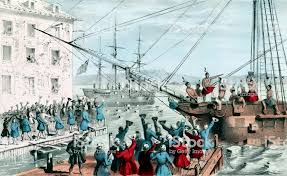
On 10th May 1773, demonstrators, some disguising themselves as Native Americans, descended on an entire shipment of tea that had been sent by the East India Company and destroyed it. They did this by boarding the ships and throwing all the chests of the tea into Boston Harbor. On 16th December 1773, Sons of Liberty organized a political protest in Boston, Massachusetts in defiance of the Tea Act. This is what came to be known as the Boston Tea Party.

Origin

The Boston Tea Party can be attributed to a couple of issues that confronted the British Empire in 1765. The first was the financial problems that were facing the British East India Company and the second one was a dispute that was going on at the time, concerning the extent that the Parliament had over the British American colonies even when it had no elected representatives. An attempt to resolve this issue by the government of the Kingdom of Great Britain led by Lord North sparked a showdown which eventually would result in the revolution.

The Tea Act

East India Company was one of Great Britain’s most significant business institutes. In 1767, through this act, the company received a refund of their tea which would be re-sold in British colonies while repealing tea taxes within Britain. Both of these, however, expired five years later and in 1772 parliament passed a new act which cut down the refund and restored the repealed taxes. This threw the company into a huge financial crisis and thus the Tea Act. This Act allowed the company to export tea to the colonies on its own while it also received full refunds on the duty of their tea that was imported to Britain. The company would sell tea cheaply, undercutting prices for the smugglers as well as those of the colonial tea farmers. The company selected consignees in Philadelphia, New York, Boston and Charleston who would sell it for commission.

Americans got wind of the Tea Act and its details while the ships were en route to the colonies. Seven ships had been released, four for Boston and one each for the other colonies. Sons of Liberty started a campaign aimed at raising awareness whose result would be compelling the consignees to step down. Protesters successfully made the consignees to step down or return the tea to England, except in Massachusetts.

In Massachusetts, the Governor advised the consignees to stand firmly, two of them being his sons. Massachusetts governor refused to let the ship with tea leave without paying duty and after the 20-day deadline was over it is said 30-130 men boarded the vessels and emptied all the 342 chests of tea into the sea, with some dressed disguised as Mohawk warrior, all in a record of three hours.

Museum

At the Boston Tea Party Ships & Museum you can be a part of the famous event that forever changed the course of American history! Historical interpreters, interactive exhibits, full-scale restored 18th Century sailing vessels, historic artifacts, and the award-winning multi-sensory documentary “Let It Begin Here” are just a taste of what you will experience during your visit. 

Իմ մասին

Իմ մասին

Բարև ձեզ: Ես Լիլիթ Սարիբեկյանն եմ, ծնվել եմ 2004 թվականի փետրվարի 18-ին: Կրթություն եմ ստանում Մխիթար-Սեբաստացի կրթահամալիրում: Սովորում եմ ծրագրավորում ԹՈՒՄՈ կենտրոնում, նվագում եմ կիթառ, մասնակցում եմ ոկալի դասնթացների:Պատանի երկրապահ եմ, հաճախել եմ` պարի , լողի և թեննիսի:Սիրում եմ կարդալ գրքեր, նկարել և ստեղծագործել երաժշտության բնագավառում նաև ուսումնասիրում եմ հոգեբանություն: Հանդիսանում եմ ՄԱԿ-ի Հայաստանյան ասոցիացիայի պատանեկան թևի անդամ: