And, after boasting this way of my tolerance, I come to the admission that it has a limit. Conduct may be founded on the hard rock or the wet marshes but after a certain point I don’t care what it’s founded on. When I came back from the East last autumn I felt that I wanted the world to be in uniform and at a sort of moral attention forever; I wanted no more riotous excursions with privileged glimpses into the human heart. Only Gatsby, the man who gives his name to this book, was exempt from my reaction—Gatsby who represented everything for which I have an unaffected scorn. If personality is an unbroken series of successful gestures, then there was something gorgeous about him, some heightened sensitivity to the promises of life, as if he were related to one of those intricate machines that register earthquakes ten thousand miles away. This responsivenesshad nothing to do with that flabby impressionability which is dignified under the name of the ‘creative temperament’— it was an extraordinary gift for hope, a romantic readiness such as I have never found in any other person and which it is not likely I shall ever find again. No—Gatsby turned out all right at the end; it is what preyed on Gatsby, what foul dust floated in the wake of his dreams that temporarily closed out my interest in the abortive sorrows and shortwinded elations of men
Եվ, հանդուրժողականության այս ձևով ապրելուց հետո, ես հասկացա և ընդունեցի այն փաստը, որ այն ունի սահման: Վարքագիծը կարող է նման լինել կոշտ ժայռի կամ թաց ճահիճների, բայց որոշ բաներից հետո հասկացա , որ ինձ դա չի հուզում ընդհանրապես։
Երբ անցյալ աշնանը վերադարձա Արևելքից, զգացի, որ ուզում եմ, որ աշխարհը հավերժ լինի կանոնավոր և մի տեսակ բարոյական: Ես այլևս չէի ուզում էքսկուրսիաներ, որոնցով նայում էի մարդու սիրտը:
Միայն Գեթսբին, այն մարդը, ում անունով է այս գիրքը, ուներ իմ հակառակ ռեակցիան. Գեթսբին, ով ինձ ասում էր այն ամենը, ինչի հանդեպ ես արհամարհանք ունեի: Եթե անհատականությունը անխափան շարք է, ապա Գետսբիի մեջ մի հոյակապ բան կար, որոշակի զգայունություն կյանքի խոստումների նկատմամբ, կարծես մի բարդ մեքենա, որը տասը հազար մղոն հեռավորության վրա երկրաշարժեր կարող է գրանցել:
Այս կարծիքը ոչ մի կապ չուներ այն փխրուն տպավորության հետ, որն կարելի է անվանել «ստեղծագործ խառնվածք». Դա ռոմանտիզմի անմահ լույսն էր ,որը ինձ երբևիցէ չէր հանդիպել, և համոզված եմ, որ չի էլ հանդիպի։ Եվ վերջիվերջո Գեթսբիի մոտ դա ստացվեց. դա այն էր, ինչը որսում էր Գեթսբիին, ինչպես աղտոտ փոշի ՝ նրա երազանքների ֆոնին, որը ժամանակավորապես դադարեցրեց իմ հետաքրքրությունը անհաջող վշտերի և ցնցումների մասին տղամարդկանց մոտ տեղի ունեցող:
In my younger and more vulnerable years my father gave me some advice that I’ve been turning over in my mindever since. ‘Whenever you feel like criticizing any one,’ he told me, ‘just remember that all the people in this world haven’t had the advantages that you’ve had.’ He didn’t say any more but we’ve always been unusually communicative in a reserved way, and I understood that he meant a great deal more than that. In consequence I’m inclined to reserve all judgments, a habit that has opened up many curious natures to me and also made me the victim of not a few veteran bores. The abnormal mind is quick to detect and attach itself to this quality when it appears in anormal person, and so it came about that in college I was unjustly accused of being a politician, because I was privy to the secret griefs of wild, unknown men. Most of the confidences were unsought—frequently I have feigned sleep, preoccupation, or a hostile levity when I realized by some unmistakable sign that an intimate revelation was quivering on the horizon—for the intimate revelations of young men or at least the terms in which they express them are usually plagiaristic and marred by obvious suppressions. Reserving judgments is a matter of infinite hope. I am still a little afraid of missing something if I forget that, as my father snobbishly suggested, and I snobbishly repeat a sense of the fundamental decencies is parcelled out unequally at birth.
Իմ երիտասարդության և ավելի խոցելի տարիներին հայրս ինձ որոշ խորհուրդներ տվեց, որոնք այդ ժամանակվանից ես պահում եմ իմ մտքում:
— Երբ ցանկանաս քննադատել որևէ մեկին, — ասաց նա ինձ,- պարզապես հիշիր, որ այս աշխարհում բոլոր մարդիկ չեն ունեցել այն առավելությունները, որոնք ունեցել ես դու»: Նա այլևս բան չասաց, բայց մենք միշտ անսովոր շփվող ենք ՝ զուսպ եղանակով, և ես հասկացա, որ նա դրանից շատ ավելին նկատի ուներ: Այնուամենայնիվ, ես հակված եմ վերապահել բոլոր դատողությունները, մի սովորություն, որը շատ հետաքրքիր բնույթ է ինձ համար, այն նաև ինձ չի դարձել մի քանի վետերան ծակոտիների զոհ: Աննորմալ միտքը արագորեն ինքն իրեն գտնում և կցվում է այս որակին, երբ դա հայտնվում է աննորմալ մարդու մոտ, և դրա հետևանքն այն է, որ քոլեջում ինձ անարդարացիորեն մեղադրում էին որպես քաղաքական գործիչ, քանի որ ես գաղտնի էի շատ, անհայտ տղամարդ էի ինձանից ներկայացնում։ Վստահության մեծ մասն անքննարկելի էր. Հաճախ ես ձևացնում էի իբրև քնած եմ, զբաղված կամ թշնամաբար բծախնդրանում էի, երբ ինչ-որ թույլ նշանով հասկանում էի, որ հորիզոնում դողում է ինտիմ հայտնություն. Երիտասարդ տղամարդկանց ինտիմ հայտնությունների կամ գոնե դրանց պայմանները սովորաբար արտահայտվում են, գրագողությամբ կամ վնասված ճնշումներով: Վճիռները վերապահելը անսահման հույսի հարց է: Ես դեռ փոքր-ինչ վախենում եմ ինչ որ բան բաց թողնելուց, եթե մոռանամ դա, ինչպես հայրս էր ասում, և ես կրկնում էի, որ հիմնավոր պարկեշտության զգացումը անհավասարաչափ է բաշխվում ծննդյան ժամանակ:
6 1- Զգո՛ւյշ եղեք, Աստծու հանդեպ ձեր պարտավորությունները մարդկանց ներկայությամբ մի՛ կատարեք ի ցույց նրանց, որովհետև այդ դեպքում վարձատրություն չեք ստանա ձեր երկնավոր Հորից։ 2Երբ ցանկանաս ողորմություն անել, փող ու թմբուկով մի՛ արա դա՝ մարդկանց ուշադրությունը գրավելու համար, ինչպես անում են կեղծավորները ժողովարաններում և հրապարակներում՝ մարդկանցից փառավորվելու ակնկալությամբ։ Վստա՛հ եղեք. դա՛ է միայն նրանց վարձատրությունը։ 3Ընդհակառակը, երբ դու ողորմություն անես, թող քո ձախ ձեռքը չիմանա, թե ինչ է անում քո աջ ձեռքը։ 4Այսպիսով քո ողորմությունը ծածուկ արած կլինես, և քո Հայրը, որ անտեսանելի է և տեսնում է կատարածդ, քեզ կվարձատրի հայտնապես։
Առակը ասում է, որ երբ մի լավ արարք ենք գործում , պետք չէ որ դա հայտնենք բոլորին: Երբ ցանկանում ենք ողորմություն տալ, ապա դա չպետք է անենք հանրայնորեն, այլ ամեն բան պետք է ծածուկ կերպով անենք: Եթե մարդը մշտապես բարձրաձայնում է իր լավ արարքները , ապա նա դա անկեղծ կերպով չի արել , այլ արել է իր փառքի համար: Նման պահվածը Աստծո կողմից անընդունելի է: Հիշեք` երբ ողորմություն անես, թող քո ձախ ձեռքը չիմանա, թե ինչ է անում քո աջ ձեռքը։
Ուսուցում աղոթքի մասին
(Ղկ 11.2-4)
5- Նմանապես, երբ դու աղոթես, չլինե՛ս կեղծավորների նման, որոնք սիրում են ժողովարաններում և հրապարակների անկյուններում կանգնած աղոթել, որպեսզի մարդիկ տեսնեն իրենց աղոթելը։ Վստա՛հ եղեք. դա՛ է միայն նրանց վարձատրությունը։ 6Այլ երբ դու աղոթես, մտի՛ր քո սենյակը, փակի՛ր դուռը և ծածո՛ւկ աղոթիր քո երկնավոր Հորը։ Եվ քո Հայրը, որ անտեսանելի է և տեսնում է կատարածդ, քեզ կհատուցի հայտնապես։ 7Աղոթք անելիս մի՛ շատախոսեք հեթանոսների նման, որոնք կարծում են, որ եթե երկար աղոթեն, լսելի կլինեն։ 8Արդ, նրանց չնմանվե՛ք, որովհետև ձեր Հայրը գիտի, թե ինչ է ձեզ պետք, նույնիսկ երբ դեռ բան չեք խնդրել նրանից։ 9Ուրեմն այսպե՛ս աղոթեցեք. Հա՛յր մեր երկնավոր, թող սրբաբանվի քո անունը։ 10Թող գա՛ քո արքայությունը, թող կատարվի՛ քո կամքը, ինչպես որ երկնքում, այնպես էլ երկրի վրա։ 11Ամենօրյա մեր հացը այսօր և՛ս տուր մեզ։ 12Ների՛ր մեր հանցանքները, ինչպես որ մենք ենք ներում նրանց, ովքեր հանցանք են գործել մեր դեմ։ 13Եվ թույլ մի՛ տուր, որ ընկնենք փորձության մեջ, այլ ազատի՛ր մեզ չարից. քանզի քո՛նն են միշտ արքայությունը, զորությունը և փառքը. ամեն։ 14Այո՛, եթե դուք մարդկանց ներեք իրենց հանցանքները, ձեր երկնավոր Հայրն էլ ձեզ կների։ 15Իսկ եթե դուք մարդկանց չներեք իրենց հանցանքները, ձեր Հայրն էլ ձե՛զ չի ների ձեր հանցանքները։
Մատթեոս 6.5-15
Առակը ասում է, որ աղոթք անելիս չպետք է դիտավորյալ գտնվել հանրային վայրերում և բեմականություններ ցուցադրել: Այլ եթե ցանկանում ես աղոթք կատարել, կարող ես աղոթել անգամ քո իսկ սենյակից: Ասվում է , որ աղոթքի ժամանակ պետք չէ շատախոսել ինչպես հրեաները: Պարզապես պետք է մրմնջալ աղոթքը , անգամ առանձ ինչ-որ խնդրանքների, քանի որ Տերը լավ գիտի թե մեզ ինչ է անհրաժեշտ: Նաև նշվում է , որ մենք մշտապես պետք է ներենք մեր մերձավորին, որպեսզի Աստված էլ մեզ ների:
Ուսուցում սիրո մասին
Հովհաննես 13.34-35
34Մի նոր պատվիրան եմ տալիս ձեզ՝ սիրեցե՛ք միմյանց։ Ինչպես ես ձե՛զ սիրեցի, դուք էլ միմյա՛նց սիրեցեք։ 35Եթե դուք միմյանց սիրեք, դրանով մարդիկ կիմանան, որ դուք իմ աշակերտներն եք։
Ասվում է , որ միշտ պետք է սիրենք ամենքին, ինչպես Աստված է մեզ սիրում:
Աստծու սերը մարդկանց հանդեպ
16Աստված այնքան սիրեց աշխարհը, որ մինչև իսկ իր միածին Որդուն տվեց, որպեսզի նա, ով հավատում է նրան, չկորչի, այլ հավիտենական կյանք ունենա. 17որովհետև Աստված իր Որդուն աշխարհ ուղարկեց ոչ թե նրա համար, որ դատապարտի աշխարհը, այլ որպեսզի փրկի աշխարհը։ 18Ով հավատում է նրան, չի դատապարտվի, իսկ ով չի հավատում նրան, արդեն իսկ դատապարտված է՝ Աստծու միածին Որդուն չհավատալու համար։ Հովհաննես 3.16-18
9Ինչպես որ իմ Հայրն ինձ սիրեց, նույնպես էլ ես ձեզ սիրեցի։ Մնացե՛ք իմ սիրո մեջ։ 10Եթե իմ պատվիրանները գործադրեք, կմնաք իմ սիրո մեջ, ինչպես ես, իմ Հոր պատվիրանները գործադրելով, մնում եմ նրա սիրո մեջ։ 11Այս բաներն ասացի ձեզ, որպեսզի իմ ուրախությունը ձեր մեջ լինի, և ձեր ուրախությունը կատարյալ լինի։ 12Իմ պատվերն այս է, որ սիրեք միմյանց, ինչպես ես սիրեցի ձեզ։ 13Մեծագույն սերն այն սերն է, որով մարդ ինքն իրեն զոհում է իր բարեկամների համար։ Հովհաննես 15.9-13
Առակը ցուցանում է սեր: Ասվում է , որ Աստված այնքան սիրեց այս աշխարը, որ անգամ իր միածին Որդուն տվեց, որ ով հավատում է նրան չկորչի, այլ հավիտենական կյանք ունենա: Ասվում է , որ ով հավատում է Հիսուսին և կատարում է նրա պատվիրանները, նա արդեն իսկ փրկված է , իսկ ով չի հավտում` դատապարտված:
Հիսուսն ասում է, որ պետք է մնանք իր սիրո մեջ, որպեսզի արժանանանք հավիտենական կյանքին, իսկ նրա սիրո մեջ մնալ կարող ենք միայն պատվիրանները կատարելով: Մեծագույն սերն այն սերն է, որով մարդ ինքն իրեն զոհում է իր բարեկամների համար։
Սիրել թշնամիներին
(Ղկ 6.27-28, 32-36)
43- Լսել եք արդարև, թե ինչ է ասվել. «Սիրի՛ր ընկերոջդ և ատի՛ր թշնամուդ»։ 44 Իսկ ես ձեզ ասում եմ. «Սիրեցե՛ք ձեր թշնամիներին, օրհնեցե՛ք ձեզ անիծողներին, բարությո՛ւն արեք ձեզ ատողներին և աղոթեցե՛ք նրանց համար, ովքեր չարչարում ու հալածում են ձեզ։ 45Այդպես դուք ձեր երկնավոր Հոր որդիները պիտի դառնաք, որովհետև նա իր արեգակը ծագեցնում է թե՛ չարերի և թե՛ բարիների վրա և անձրև է տեղացնում թե՛ արդարների և թե՛ մեղավորների վրա։ 46Եթե ձեզ սիրողներին սիրեք միայն, Աստծուց ի՞նչ վարձատրություն կարող եք սպասել։ Չէ՞ որ մաքսավորներն էլ նույնն են անում։ 47Նմանապես, եթե միայն ձեր ազգակիցների հետ բարեկամություն անեք, հեթանոսներից ավելի ի՞նչ արած կլինեք։ Չէ՞ որ նրանք էլ նույնն են անում։ 48Արդ, կատարյա՛լ եղեք դուք, ինչպես ձեր երկնավոր Հայրն է կատարյալ»։
Իմաստը նրանում է, որ ոչ մի դեպքում պետք չէ չարանալ: Մենք պետք է սիրենք մեր թշնամիներն, օրհնենք մեզ անիծողներին, բարություն անենք մեզ ատողներին և աղոթենք մեզ չարչարողների համար: Այսպիսով ` կլինենք կատարյալ Աստծո առաջնորդ:
Արդ, կատարյա՛լ եղեք դուք, ինչպես ձեր երկնավոր Հայրն է կատարյալ:
Հավատի լույսը
(Մտ 5.15,6.22-23, Մր 4.21, Ղկ 8.16)
33- Ոչ ոք ճրագը վառելուց հետո այն չի թաքցնի կամ կաթսայի տակ չի դնի, այլ կդնի աշտանակի վրա, որպեսզի ներս մտնողները լույսը տեսնեն։ 34Մարմնի ճրագն աչքն է. երբ քո աչքն առողջ է, քո ամբողջ մարմինը լուսավոր կլինի, իսկ երբ քո աչքը հիվանդ է, քո ամբողջ մարմինը խավար կլինի։ 35Ուրեմն զգո՜ւյշ եղիր, որ քո մեջ եղած լույսը չխավարի։ 36Եթե քո ամբողջ մարմինը լուսավոր է, առանց խավարի մի մասնիկ ունենալու իր մեջ, այն ժամանակ ամեն ինչ այնպես լուսավոր կլինի, ինչպես երբ ճրագն իր շողերով լուսավորի քեզ։
Ղուկաս 11.33-36
Ասում է, որ մեր մարմնի ճրագը մեր աչքն է: Ըստ իս սա նշանակում է, որ մենք միայն պետք է ճշմարտացի համարենք այն ինչը , որ մեր աչքն է տեսնում: Այսպիսով մեր հոգին մաքրության մեջ կպահենք: ԵՎ անաղարտ կմնանք: Սակյան եթե մեր մեջ անգամ մի փոքր կեղծիք եղավ, ապա մեր ներսի ողջ լույսը կխավարի: Պետք է , զգույշ լինեք , որպեսզի մշտապես լուսավոր հոգի ունենանք:
էկոհամակարգը՝կենդանի օրգանիզմների համալիրի, այն շրջապատող անկենդան միջավայի և դրանց բազմատեսակ փոխհարաբերությունների ամբողջությունն է
էկոհամակարգի հիմնական բնութագրիչը հանդիսանում է համեմատաբար փակ, տարածության և ժամանակի մեջ կայուն նյութերի և էներգիայի հոսքերի առկայությունը էկոհամակարգի բիոտիկ և աբիոտիկ մասերի միջև։ Բոլոր կենսաբանական համակարգերը կարող են էկոհամակարգ կոչվել, օրինակ, ակվարիումը: Էկոհամակարգը հանդիսանում է բաց համակարգ և բնութագրվում է էներգիայի մուտքային և ելքային հոսքերով։ Գործնականում ցանկացած էկոհամակարգի գոյության հիմքը արևի լույսի էներգիայի հոսքն է։Էկոհամակարգերի բնութագրող հատկանիշների կարևորությունը դրանց իրականացրած ֆունկցիաների հետևանքով էկոհամակարգերի արդյունավետության մեծացման մեջ է:
Օրինակ` ջրավազաններ,որոնց մաքուր վիճակը պահպանվում է գետում ապրող բուսականության, ցածրակարգ կենդանիների և ջրում ընթացող բնական գործընթացների միջոցով: Բնական էկոհամակարգերում գոյություն ունեն բազմաթիվ տեսակներ: Դրանց թիվը երիտասարդ էկոհամակարգերում փոքր է, քանի որ սրանք գտնվում են դեռևս ձևավորման փուլում: Սակայն ժամանակի ընթացքում ոչ միայն տեսակների թիվը, այլև դրանց առանձնակի թվաքանակը մեծանում է:
Մարդու տնտեսական գործունեության հետևանքով ձևավորվում են յուրատեսակ էկոհամակարգեր` ագրոէկոհամակարգեր: Ագրոէկոհամակարգերի օրինակ կարող են ծառայել արհեստականորեն ստեղծված այգիները, բանջարանոցները, խոշոր անասնապահական համալիրները, արոտավայրերը, մարգագետինները:
Ի տարբերություն բնական Էկոհամակարգերի, ագրոէկոհամակարգերը մարդկանց միջամտությամբ ենթարկվում են մի շարք փոփոխությունների, որոնց արդյունքում երբեմն խաղտվում են բնական էկոհամակարգերին բնորոշ կենսական գործընթացներ: Բացի այդ ագորէկոհամակարգերը խիստ անկայուն համակարգեր են: Դրանք ընդունակ չեն ինքնավերականգնվելու և ինքնակարգավորվելու:Դրանց պահպանման համար անհրաժեշտ է մարդու վերահսկողություն:
Ֆոսֆոր, Ազոտ- Ֆոսֆորի և ազոտի միացությունները, ժամանակակից հողագործության կարևորագույն հանքային պարարտանյութերն են հանդիսանում, բացի այդ շրջանառության ընթացքում ֆոսֆորը հիմնականում կուտակվում է լճերում, ծովերում և գետաբերաններում:Ջրում ապարների լվացման և լուծման արդյունքում անօրգանական ֆոսֆորը մտնում է շրջանառության մեջ: Անցնելով ցամաքային էկոհամակարգ` հող, անօրգանական ֆոսֆորը հողի ջրային լուծույթից կլանվում է բույսերի կողմից: Սննդային շղթային միջոցով ֆոսֆորը փոխանցվում է էկոհամակարգի մյուս օրգանիզմներին: Բացի այդ ֆոսֆորը, ինչպես և ազոտը, հանդիսանում են ջրամբարների ծաղկման և ջրերի աղտոտման հիմնական աղբյուրը: Ֆոսֆորի և Ազոտի հոսքի նվազման հետևանքով հնարավոր չի լինի իրականացնել սպիտակուցների սինթեզ և կխաղտվի դրանց շրջանառությունը էկոհամակարգերում: Ածխածին-Ածխածնի շրջանառության գործընթացում կարևոր դեր են խաղում ածխածնի ենթօքսիդը (CO) և երկօքսիդը (CO2): Կենսոլորտում ածխածինն ավելի հաճած հանդիպում է իր ավելի շարժուն ձևով (CO2): Ածխաթթու գազը կլանվում է ֆոտոսինթեզի ժամանակ: Ֆոտոսինթեզի գործընթացում բույսերի կողմից ածխաթթու գազը կլանվում է ցերեկվա ժամերին: Գիշերը դրա որոշ քանակություն նորից արտազատվում է մթնոլորտ: Ածխածնի շրջանառության կատարվում է նաև ծովային ավազաններում: Այս դեպքում արդեն ածխածաթթու գազը միանալով այլ նյութերի կրաքարերի տեսքով կուտակվում է ջրային ավազանների հատակին: Ծովային օրգանիզմներն օգտագործում են ածխածնի միացությունները իրենց կմախքը կազմելու համար: Ածխածնի հոսքի նվազման հերտևանքով կխաղտվեն դրա շրջանառության երկու ուղղությունները:
Leadership is an influential process. The leader is in a position to shape, regulate, control and change the attitudes, behaviour and performance of his group members. The latter are supposed to comply with the leader’s desires and directives and partially suspend their own judgment. There exists a particular relationship between the leader and his group members which is characterised by interpersonal and social interaction. In a group, the leader and his followers play the roles expected of them and thereby seek to justify their respective positions.
Various theories over the years have been formulated by psychologists to explain the traits of a leader. Certain traits of a good leader were listed by the researchers as: intelligence, extraversion, and adjustment, openness to experience, general self-efficacy and conscientiousness. It has been noticed that an individual possessing these traits results as a good leader.
And in my opinion the most important thing in leadershis is that you must be very carefull with your colleagues during your orders. You must distinguish command from request and from duty.
Նախքան վերլուծությանը անցնելը, կցանկանայի նշել. որ գիրքը ինձ համար յուրովի է : Յուրովի է նրանով, որ ամեն անգամ վերընթերցելիս նորովի իմաստներ եմ բացահայտում :
Երբ փոքր էի կարդալով, մտածում էի , որ գիրքը ինչ-որ անհասկանալի տղայի մասին է (հավանաբար այլմոլորակայինի): Չէի հասկանում թե ինչպես կարելի է վարդին կամ աղվեսին ընտելացնել , կամ էլ պատասխանատու լինել նրանց համար: Միայն տարիներ հետո ինձ հաջողվեց հասկանալ, որ գիրքը սովորեցնում է ճիշտ ապրել մի ամբողջ կյանք:
Վեպի գլխավոր իմաստներից մեկը այն է , որ մեծահասակների և երեխաների աշխարհները այլ են: Մեծահասակներին հետաքրքրում է մեքենայի գինը, այլ ոչ գույնը, նրանց հետաքրքրում է նոր ընկերոջ տարիքը, այլ ոչ արտաքինը: Կարճ ասած` նրանք ապրում են թվերի աշխարում:
Փոքրիկ Իշխանի կերպարի ետևում կանգնած է հեղինակը: Կերպարը խորապես ինքնակենսագրական է : Իշխանի կերպարը իրականում, փոքրիկ Տոնիոն է աղքատ ազնվական ընտանիքից մի ոսկեհեր տղա:
Էքզյուպերին հաճախ է թղթի վրա նկարել տղայի, ով թռչում է ամպերի միջով, ով թևեր ունի։ Ժամանակի ընթացքում թևերին փոխարինելու է գալիս երկար շարֆը, որն, ի դեպ, կրել է հենց ինքը հեղինակը։ Իսկ ամպերը փոխարինվում են Б-612 աստերոիդով։
Իշխանի կերպարը կարծում եմ , ինձ հայտնի հերոսների մեջ լավագույնն է:
Վարդի քմահաճ և հուզիչ կերպարը հեղինակի կնոջ՝ Կոնսուելայի կերպարն է:Նա իմպուլսիվ լատինոամերիկուհի էր , ում կոչում էին «Փոքրիկ սալվադորյան հրաբուխ»։ Իշխանը ողջ ընթացքում հոգ էր տանում իր վարդի մասին: Նա մութն ընկնելուն պես ծացկում էր վարդին, առավոտյան ջրում էր նրան, իսկ եթե հանկարծ աչքով բաոբաբի սերմ էր ընկնում, նա անհապաղ հեռացնում էր այդ սերմերը , քանզի հետագայում դրանք կարող էին վնասել իր վարդին: Իշխանը երբ հանդիպեց վարդերի թփին զարմանք ապրեց , որ իր վարդից շատ կան , սակայն երկար մտածելուց հետո ասում է . «Դուք գեղեցիկ եք , բայց դատարկ, ձեզ համար ոչ-ոք չի ցանկանա մեռնել»:
Աղվեսի կերպարը նույնպես շատ հուզական է : Սկզբում նա խուսափում էր Իշխանից, քանզի վախենում էր ընտելանալուց: Որոշ ժամանակ անց նրանք շատ են մտերմանում և աղվեսի կերպարը հատկանշական է նրանով, որ նա իշխանին տալիս է կյանքի լավագույն օրենքները: Աղվեսի և Իշխանին բաժանումը նույնպես շատ դժվարին եղավ , աղվեսը պնդեց , որ Իշխանը վերադառնա իր վարդի մոտ, քանզի ընտելացրել էր նրան:
Փառասերը, չնայած մենակ էր իր մոլորակի վրա, բայց կարծում էր, որ բոլորը պիտի երկրպագեն իրեն, իր մասին բավականին մեծ կարծիք ուներ, չնայած, որ այդ կարծիքը հիմնավորված չէր։
Հարբեցողի կերպարը այն հետաքրքիր կերպարներից է, որի մեջ կա սեփական թուլության գիտակցումը, անզորությունը և թույլ կամքը։ Նա հարբում էր, որ մոռանար, որ ամոթ է խմելը։ Հարբեցողը փաղչում էր իր կերպարից, քանզի ինքն էլ էր գիտակցում իր թշվառությունը:
Իշխանին հանդիպած 5-րդ մոլորակն ամենից փոքրն էր ու զվարճալին։ Նրա վրա միայն մի լապտեր ու մի լապտերավառ էր տեղավորվում։ Երբ նա վառում էր լապտերը, կարծես թե մի նոր աստղ կամ ծաղիկ էր ծնվում։ Այստեղ նշվում էր, որ աշխատանքն օգտակար է, քանի որ գեղեցիկ է, սակայն իրական կյանքում ամեն գեղեցիկ բան չէ, որ օգտակար է։
Լապտերավառն այն միակն էր, ով միայն իր մասին չէր մտածում, այլ նաև ուրիշների։ Եվ սա հենց կյանքի կարևոր նախապայմաններից մեկն է, որ ապրես ոչ միայն քո, այլ նաև ուրիշների համար և կյանքում պետք չէ եսասեր լինել:
Վեցերորդ մոլորակը նախորդից 10 անգամ մեծ էր, և նրա վրա մի ծերունի էր ապրում՝ աշխարհագրագետ։ Այս մոլորակի թերևս ամենակարևոր խոսքն այն է, որ պետք է խոսքդ ապացուցես, այսինքն՝ այն ամենի մասին, ինչի մասին որ խոսում ես, փորձիր ապացուցել, այլ ոչ թե միայն ասես այն, ինչ խելքիդ փչում է։
Կարծում եմ, որ գիրքը ցույց է տալիս թե ինչպես պետք է ճիշտ քայլենք մեր կյանքի ուղով: Անգամ կասկած չունեմ, որ մի քանի տարի անց կրկին կարդալով նոր իմաստներ եմ գտնելու , այդ ժամ ստիպված կլինեմ ավելի սիրել վեպը:
Մեջբերումներ
Չգիտեի, թե ինչպես կանչեմ, որպեսզի նա լսի, ինչպես հասնեմ նրա հոգուն, որը սահում, հեռանում էր ինձանից… Չէ՞ որ շատ խորհրդավոր ու առեղծվածային է արցունքների աշխարհը:
Առավոտյան հենց որ արթնանաս, լվացվես ու քեզ կարգի բերես, պետք է տեղնուտեղը կարգի բերես նաև քո մոլորակը:
Քո վարդը քեզ համար այդքան թանկ է, որովհետև դու նրան տվել ես քո ամբողջ հոգին:
Շատ տխուր է, երբ մոռանում են ընկերներին։ Մանավանդ որ՝ բոլորը չէ,որ կարողանում են ընկեր ունենալ։
Երբ թողնում ես, որ քեզ ընտելացնեն, հետո դրա համար կարող է և լաս:
Գնա և մի անգամ ևս վարդերին նայիր։ Այն ժամանակ կհասկանաս, որ քոնը միակն է աշխարհում:
Չէ՞ որ բոլոր մեծահասակները առաջ երեխա են եղել, միայն թե նրանցից քչերն են այդ բանը հիշում:
Դու ապրում ես քո արարքներում, այլ ոչ մարմնում: Դու՝ քո գործողությունն ես, և չկա մեկ այլ դու:
Ես վախենում եմ դառնալ այնպիսին, ինչպիսին մեծահասակներն են, որոնց ոչինչ չի հետաքրքրում ՝ թվերից բացի:
Եթե անընդհատ ուղիղ և ուղիղ գնաս՝ հեռուն չես գնա:
Ամեն մարդ ունի իր աստղերը:
Երեխաները պետք է շատ ներողամիտ գտնվեն մեծահասակների հանդեպ:
Պետք է դիմանալ երկու-երեք թրթուռների, եթե ցանկանում ես ծանոթանալ թիթեռի հետ:
Երբ շատ տխուր է, լավ է նայել, թե ինչպես է մայր մտնում արևը:
Գիտե՞ս ինչով է լավ անապատը: Նրանում ինչ-որ տեղ թաքնված են աղբյուրները:
Այլ աշխատանքը կարող է նաև մի փոքր սպասել՝ վնաս չի լինի, բայց եթե ազատություն տաս բաոբաբներին՝ աղետն անխուսափելի է:
Հավանաբար, աստղերը փայլփլում են այն պատճառով, որպեսզի վաղ թե ուշ յուրաքանչյուրը կրկին կարողանա գտնել իր աստղը:
Ինքդ դատիր քեզ: Դա ամենա դժվարն է: Ինքդ քեզ դատելը շատ ավելի դժվար է, քան ուրիշներին դատելը: Եթե կարողանաս ճիշտ դատել քեզ, նշանակում է, դու իրոք իմաստուն ես:
Եթե սիրում ես ծաղկին՝ միակին, որից չկա միլիոնավոր աստղերից և ոչ մեկի վրա՝ դա բավարար է: Նայում ես երկնքին՝ և դու երջանիկ ես:
Մի անգամ ինչ-որ բան հարցնելով ետ մի նահանջիր, մինչև չստանաս պատասխանը:
Բոլոր ճանապարհները տանում են մարդկանց մոտ:
Երբ շատ ես ցանկանում սրամտել, մեկ այլ անգամ ակամայից կստես:
Բառերը միայն խանգարում են հասկանալ մեկմեկու:
Միայն սիրտն է սրատես: Ամենագլխավորը աչքով չես տեսնի:
Լավ է երբ կա ընկեր, թեկուզ և պետք է մահանաս:
Վերջում կցանկանայի հիշեցնել մի բան , որ երբեք չմոռանաք `մենք հավիտյան պատասխանատու ենք նրանց համար, ում ընտելացրել ենք:
Երբ ես վեց տարեկան էի, «Ճշմարտացի պատմություններ» խորագրով մի գրքում, ուր պատմվում էր կուսական անտառների մասին, մի զարմանալի նկար տեսա: Նկարում հսկայական վիշապօձը մի գիշատիչ գազան էր կուլ տալիս: Ահա թե ինչպիսին էր այդ նկարը:
Գրքում ասվում էր. «Վիշապօձը իր զոհին կուլ է տալիս առանց ծամելու, ողջ-ողջ: Դրանից հետո նա այլեւս չի կարողանում շարժվել եւ կես տարի ան-ընդհատ քնում է՝մինչեւ որ մարսում է կերածը»: Ես շատ խորհեցի ջունգլիների արկածներով լի կյանքի մասին եւ գունա-վոր մատիտներով նկարեցի իմ առաջին ստեղծագործությունը: Դա իմ No 1 նկարն էր: Ահա թե ինչպես էի նկարել:
Ես իմ առաջին ստեղծագործությունը ցույց տվեցի մեծահասակներին եւ հարցրի՝ սարսափելի չէ արդյոք:
– Մի՞թե գլխարկը սարսափելի է,– առարկեցին նրանք: Իսկ դա ամենեւին էլ գլխարկ չէր, այլ մի վիշապօձ, որը փիղ էր կուլ տվել: Ստիպված վիշապօձը նկարեցի ներսի կողմից, որպեսզի մեծահասակներին հասկանալի լինի: Ախր նրանց ամեն բան պետք է բացատրել: Ահա իմ No 2 նկարը:
Մեծահասակներն ինձ խորհուրդ տվեցին օձ չնկարել ոչ դրսի եւ ոչ էլ ներսի կողմից, այլ հետաքրքրվել աշխարհագրությամբ, պատմությամբ, թվաբանությամբ եւ ուղղագրությամբ: Ահա թե ինչպես պատահեց, որ ես վեց տարեկան հասակում հրաժարվեցի նկարչի փայլուն ապագայից: No 1 եւ No 2 նկարներով անհաջողության մատնվելուց հետո ես իմ նկատմամբ կորցրեցի հավատս: Մեծահասակները իրենք երբեք եւ ոչինչ չեն հասկանում, իսկ երեխաների համար շատ է հոգնեցուցիչ, երբ ստիպված են լինում ամեն ինչ նրանց բացատրել ու գլուխները մտցնել: Եվ այսպես, ես ստիպված էի ուրիշ մասնագիտություն ընտրել եւ սովորեցի ինքնաթիռ վարել: Ես ամբողջ աշխարհը գրեթե ման եմ եկել: Եվ, ճիշտ որ ասեմ, աշխարհագրությունն ինձ շատ պետք եկավ: Առաջին իսկ հայաց-քից կարողանում էի Չինաստանն ու Արիզոնան տարբերել. երբ գիշերը շեղվում ես ճանապարհից, շատ կարեւոր է այս իմանալը: Իմ կյանքում ես շատ եմ հանդիպել զանազան լուրջ մարդկանց: Մեծահասակների շրջանում ես շատ եմ ապրել: Ես նրանց բոլորովին մոտիկից եմ տեսել, բայց այդ բանն ինձ ամենեւին էլ չի ստիպել, որ նրանց մասին ավելի լավ կարծիք ունենամ: Երբ հանդիպում էի որեւէ մեծահասակի, որն ինձ մյուսներից ավելի հասկացող ու խելացի էր թվում, ես նրան ցույց էի տալիս իմ No 1 նկարը, որը միշտ մոտս էի պահում: Ես ուզում էի իմանալ, թե այդ մարդը իսկապես մի բան հասկանում է: Բայց բոլորն էլ ինձ պատասխանում էին. «Դա գլխարկ է»: Եվ ես այլեւս նրանց մոտ չէի խոսում ոչ վիշապօձերի, ոչ ջունգլիների եւ ոչ էլ աստղերի մասին: Ես հարմարվում էի նրանց մտածողությանը: Ես նրանց հետ խոսում էի բրիջ եւ գոլֆ խաղալու մասին, քաղաքականության ու փողկապների մասին: Եվ մեծահասակները շատ գոհ էին մնում, որ ծանոթացել են ինձ նման առողջ դատողության տեր մարդու հետ:
CHAPTERI
Once when I was six years old I saw a magnificent picture in a book, called True Stories from Nature, about the primeval forest. It was a picture of a boa constrictor in the act of swallowing an animal. Here is a copy of the drawing.
In the book it said: “Boa constrictors swallow their prey whole, without chewing it. After that they are not able to move, and they sleep through the six months that they need for digestion.”
I pondered deeply, then, over the adventures of the jungle. And after some work with a colored pencil I succeeded in making my first drawing. My Drawing Number One. It looked something like this:
I showed my masterpiece to the grown-ups, and asked them whether the drawing frightened them.
But they answered: “Frighten? Why should any one be frightened by a hat?”
My drawing was not a picture of a hat. It was a picture of a boa constrictor digesting an elephant. But since the grown-ups were not able to understand it, I made another drawing: I drew the inside of a boa constrictor, so that the grown-ups could see it clearly. They always need to have things explained. My Drawing Number Two looked like this:
The grown-ups’ response, this time, was to advise me to lay aside my drawings of boa constrictors, whether from the inside or the outside, and devote myself instead to geography, history, arithmetic, and grammar. That is why, at the age of six, I gave up what might have been a magnificent career as a painter. I had been disheartened by the failure of my Drawing Number One and my Drawing Number Two. Grown-ups never understand anything by themselves, and it is tiresome for children to be always and forever explaining things to them.
So then I chose another profession, and learned to pilot airplanes. I have flown a little over all parts of the world; and it is true that geography has been very useful to me. At a glance I can distinguish China from Arizona. If one gets lost in the night, such knowledge is valuable.
In the course of this life I have had a great many encounters with a great many people who have been concerned with matters of consequence. I have lived a great deal among grown-ups. I have seen them intimately, close at hand. And that hasn’t much improved my opinion of them.
Whenever I met one of them who seemed to me at all clear-sighted, I tried the experiment of showing him my Drawing Number One, which I have always kept. I would try to find out, so, if this was a person of true understanding. But, whoever it was, he, or she, would always say:
“That is a hat.”
Then I would never talk to that person about boa constrictors, or primeval forests, or stars. I would bring myself down to his level. I would talk to him about bridge, and golf, and politics, and neckties. And the grown-up would be greatly pleased to have met such a sensible man.
ՄԱՍ II
Այսպես ես ապրում էի մենության մեջ, եւ մեկը չկար, որ հետը սրտանց խոսեի: Եվ ահա վեց տարի առաջ հարկադրված վայրէջք կատարեցի Սա-հարայում: Ինքնաթիռիս շարժիչի մեջ ինչ-որ բան էր ջարդվել: Ինձ հետ ոչ մեխանիկ կար, ոչ ուղեւոր, եւ ես որոշեցի ինքս ամեն ինչ սարքել, չնայած դա շատ դժվար գործ էր: Ես պետք է կամ շարժիչը կարգի գցեի, կամ զոհ գնայի: Իմ ունեցած ջուրը հազիվ թե ինձ մի շաբաթ բավականացներ: Այսպես ուրեմն, ես առաջին գիշերը քնեցի անապատի ավազներին, ուր շուրջս՝հազարավոր կիլոմետրերի վրա, ոչ մի բնակավայրչկար: Նավաբեկ-յալն անգամ իրեն այդքան միայնակ չէր զգա օվկիանոսում, որքան ես: Պատկերացրեք, թե որքան զարմացա, երբ լուսաբացին ինձ արթնացրեց ինչ-որ մեկի բարակ ձայնը:
– Ինձ համար մի գառնուկ նկարիր, խնդրում եմ…
– Ի՜նչ…
– Ինձ համար մի գառնուկ նկարիր…
Ես այնպես վեր թռա, կարծես թե ամպրոպ էր ճայթել: Աչքերս տրորեցի: Նայեցի շուրջս ու տեսա մի տարօրինակ, փոքրիկ մարդուկ, որ կանգնել ու լրջորեն նայում էր ինձ:
Ահա ամենալավ դիմանկարը, որ ես հետագայում կարողացա նկարել: Բայց իմ նկարում նա այդքան լավ չի ստացվել, ինչպես իրականում կար: Դրա համար ե՛ս չեմ մեղավորը: Երբ վեցտարեկան էի, մեծահասակներն ինձ համոզեցին, որ ինձանից նկարիչ դուրս չի գա, այդ պատճառով էլ դրսի ու ներսի կողմից նկարած վիշապօձերից բացի ես ուրիշ ոչ մի բան նկարել չսովորեցի:
Եվ այսպես, ես, աչքերս լայն բաց արած, նայում էի այդ անսովոր երեւույթին: Չմոռանաք, որ ես մարդկային բնակավայրերից հազարավոր կիլոմետրեր հեռու էի գտնվում: Բացի դրանից, բոլորովին էլ չէր երեւում, թե այդ պստիկ տղան մոլորվել է, մահու չափ հոգնած է ու վախեցած կամ քաղցից ու ծարավից մեռնում է: Նրա տեսքից հնարավոր չէր ասել, թե դա ամեն տե-սակի մարդկային բնակավայրերից հեռու, անմարդաբնակ անապատում մո-լորված մի երեխա է: Վերջապես ես խոսելու ընդունակությունսվ երականգ-նեցի ու հարցրի.
– Բայց… Ի՞նչ ես անում դու այստեղ:
Եվ նա նորից կամացուկ ու շատ լուրջ ասաց.
– Խնդրում եմ… գառնուկ նկարիր… Այդ բոլորն այնքան խորհրդավոր էր ու անըմբռնելի, որ ես սիրտ չարեցի հրաժարվել: Եվ որքան էլ անհեթեթ էր այդ, այստեղ՝անապատում, ուր քաղցից ու ծարավից մեռնելու էի դատապարտված, այնուամենայնիվ ես հանեցի մի թերթ թուղթ ու գրիչս: Բայց այստեղ ես հիշեցի, որ ավելի շատ աշխարհագրություն, պատմություն, թվաբանություն ու ուղղագրություն եմ սովորել եւ ասացի տղային նույնիսկ մի փոքր բարկացած, որ նկարել չգիտեմ: Նա պատասխանեց.
– Միեւնույն է, մի գառնուկ նկարիր… Եվ քանի որ իմ կյանքում երբեք գառնուկ չէի նկարել, նրա համար կրկնեցի իմ իմացած հին նկարներից մեկը՝ վիշապօձը դրսի կողմից, եւ շատ զարմացա, երբ տղան բացականչեց.
– Ոչ, ոչ… ես փիղը վիշապօձի մեջ չեմ ուզում: Վիշապօձը շատ վտանգավոր է, իսկ փիղը չափազանց մեծ: Ինձ մոտ ամեն բան շատ փոքր է: Ինձ գառ-նուկ է պետք, ինձ համար գառնուկ նկարիր…
Եվ ես նկարեցի: Նա ուշադիր նայեց իմ նկարին ու ասաց.
– Չէ՛, այս գառնուկը շատ տկար է: Մի ուրիշը նկարիր…
Եվ ես նկարեցի:
Իմ նոր բարեկամը մեղմ ու ներողամիտ ժպտաց:
– Չէ՞ որ դու էլ ես տեսնում, – ասաց նա, – որ սա գառնուկ չէ: Սա մեծ խոյ է, կոտոշներ ունի…
Ես նորից նկարեցի, բայց նա այդ նկարից էլ հրաժարվեց:
– Սա էլ արդեն պառավ ոչխար է: Ինձ այնպիսի գառնուկ է պետք, որ եր-կար ապրի: Այստեղ իմ համբերությունը հատավ: Չէ՞ որ ես պետք է որքան հնարավոր է շուտ կարգի գցեի շարժիչը եւ ահա թե ինչ խզմզեցի: Եվ ասացի տղային.
– Ահա քեզ մի արկղ: Մեջը մի այնպիսի գառնուկ է նստած, ինչպիսին դու ուզում ես: Որքան ես զարմացա, երբ իմ խստապա-հանջ դատավորը հանկարծ պայծառացավ.
– Այ սա լա՜վ է: Ի՞նչ ես կարծում, այս գառնուկին շա՞տ խոտ է պետք:
– Ինչո՞ւ ես հարցնում…
– Չէ՞ որ ինձ մոտ ամեն բան փոքր է…
– Սրան կբավականացնի: Ես քեզ շատ փոքրիկ գառնուկ եմտալիս:
– Այնքան էլ փոքր չէ…– գլուխը խոնարհելով ու նկարին նայելով ասաց նա:
– Տե՛ս, տե՛ս, քնել է… Այսպես ես ծանոթացա Փոքրիկ իշխանի հետ:
CHAPTER II
So I lived my life alone, without anyone that I could really talk to, until I had an accident with my plane in the Desert of Sahara, six years ago. Something was broken in my engine. And as I had with me neither a mechanic nor any passengers, I set myself to attempt the difficult repairs all alone. It was a question of life or death for me: I had scarcely enough drinking water to last a week.
The first night, then, I went to sleep on the sand, a thousand miles from any human habitation. I was more isolated than a shipwrecked sailor on a raft in the middle of the ocean. Thus you can imagine my amazement, at sunrise, when I was awakened by an odd little voice. It said:
“If you please–draw me a sheep!”
“What!”
“Draw me a sheep!”
I jumped to my feet, completely thunderstruck. I blinked my eyes hard. I looked carefully all around me. And I saw a most extraordinary small person, who stood there examining me with great seriousness. Here you may see the best portrait that, later, I was able to make of him. But my drawing is certainly very much less charming than its model.
That, however, is not my fault. The grown-ups discouraged me in my painter’s career when I was six years old, and I never learned to draw anything, except boas from the outside and boas from the inside.
Now I stared at this sudden apparition with my eyes fairly starting out of my head in astonishment. Remember, I had crashed in the desert a thousand miles from any inhabited region. And yet my little man seemed neither to be straying uncertainly among the sands, nor to be fainting from fatigue or hunger or thirst or fear. Nothing about him gave any suggestion of a child lost in the middle of the desert, a thousand miles from any human habitation. When at last I was able to speak, I said to him:
“But–what are you doing here?”
And in answer he repeated, very slowly, as if he were speaking of a matter of great consequence:
“If you please–draw me a sheep . . .”
When a mystery is too overpowering, one dare not disobey. Absurd as it might seem to me, a thousand miles from any human habitation and in danger of death, I took out of my pocket a sheet of paper and my fountain-pen. But then I remembered how my studies had been concentrated on geography, history, arithmetic and grammar, and I told the little chap (a little crossly, too) that I did not know how to draw. He answered me:
“That doesn’t matter. Draw me a sheep . . .”
But I had never drawn a sheep. So I drew for him one of the two pictures I had drawn so often. It was that of the boa constrictor from the outside. And I was astounded to hear the little fellow greet it with,
“No, no, no! I do not want an elephant inside a boa constrictor. A boa constrictor is a very dangerous creature, and an elephant is very cumbersome. Where I live, everything is very small. What I need is a sheep. Draw me a sheep.”
So then I made a drawing.
He looked at it carefully, then he said:
“No. This sheep is already very sickly. Make me another.”
So I made another drawing.
My friend smiled gently and indulgently.
“You see yourself,” he said, “that this is not a sheep. This is a ram. It has horns.”
So then I did my drawing over once more.
But it was rejected too, just like the others.
“This one is too old. I want a sheep that will live a long time.”
By this time my patience was exhausted, because I was in a hurry to start taking my engine apart. So I tossed off this drawing.
And I threw out an explanation with it.
“This is only his box. The sheep you asked for is inside.”
I was very surprised to see a light break over the face of my young judge:
“That is exactly the way I wanted it! Do you think that this sheep will have to have a great deal of grass?”
“Why?”
“Because where I live everything is very small . . .”
“There will surely be enough grass for him,” I said. “It is a very small sheep that I have given you.”
He bent his head over the drawing.
“Not so small that–Look! He has gone to sleep . . .”
And that is how I made the acquaintance of the little prince.
ՄԱՍ III
Ես ուշ հասկացա, թե որտեղից էր նա հայտվնել: Փոքրիկ իշխանը հարցերի տարափ էր տեղում ինձ վրա, բայց երբ ես էի որեւէ բան հարցնում, նա կարծես թե չէր լսում: Միայն քիչ-քիչ, պատահական ու իմիջիայլոց ասած խոսքերից բացվեց ամեն ինչ: Այսպես, երբ նա առաջին անգամ տեսավ իմ ինքնաթիռը (ես չեմ փորձի ինքնաթիռը նկարել, միեւնույն է, բան դուրս չի գա), հարցրեց.
– Սա ի՞նչ բան է:
– Սա բան չէ, ինքնաթիռ է, թռչում է:
Եվ ես հպարտությամբ բացատրեցի նրան, որ կարող եմ թռչել: Նա բացականչեց.
– Ինչպե՞ս, դու երկնքի՞ց ես ընկել:
– Այո՛,– համեստորեն պատասխանեցի ես:
– Այ թե հետաքրքի՜ր է…
Եվ Փոքրիկ իշխանը ծիծաղեց այնպես ուժգին, որ իմ տրամադրությունն ընկավ: Ես սիրում եմ, երբ իմ ձախորդություններին լուրջ են վերաբերվում: Հետո նա ավելացրեց.
– Ուրեմն դո՞ւ էլ ես երկնքից իջել: Իսկ ո՞ր մոլորակից:
«Ահա թե որտեղ է անապատում հայտնվելու նրա խորհրդավոր գաղտնիքը»,– մտածեցի ես եւ ուղղակի հարցրի.
– Ուրեմն դու ուրիշ մոլորակի՞ց ես այստեղ ընկել…
Բայց նա չպատասխանեց: Իմ ինքնաթիռին նայելով՝ նա գլուխը կամաց օրորեց.
– Դու սրանով հեռվից գալ չէիր կարող…
Եվ երկար մտածմունքի մեջ ընկավ: Հետո գրպանից հանեց իմ նկարած գառնուկն ու սկսեց զննել այդ գանձը: Կարո՞ղ եք պատկերացնել, թե ինչպես բորբոքվեց իմ հետաքրքրությունը «ուրիշ մոլորակների» մասին նրա կիսաբերան ասած խոստովանությունից: Եվ ես փորձեցի ավելի շատ բան իմանալ:
– Որտեղի՞ց ես դու եկել, փոքրի՛կս: Որտե՞ղ է քո տունը եւ ո՞ւր ես ուզում տանել իմ գառնուկը:
Նա, մտածմունքի մեջ ընկած, մի փոքր լռեց, հետո ասաց.
– Շատ լավ եղավ, որ դու ինձ այս արկղը տվեցիր: Գիշերները գառնուկը արկղում էլ կքնի:
– Դե իհարկե: Եվ եթե դու խելացի լինես, ես քեզ պարան կտամ, որ գառնուկին ցերեկները կապես: Ցից էլ կտամ:
Փոքրիկ իշխանը մռայլվեց:
– Կապե՞մ… ինչի՞համար…
– Ախր եթե չկապես, նա կարող է գնալ հեռու եւ կորչել:
Այստեղ իմ բարեկամը նորից ուրախ ծիծաղեց:
– Ո՞ւր կարող է նա գնալ:
– Քի՞չ տեղ կա գնալու: Կգնա ուղիղ, ինչքան աչքը կտրի: Փոքրիկ իշխանը լրջորեն ասաց.
– Դա սարսափելի չէ, ինձ մոտ տեղը շատ փոքր է:
Եվ թախծոտ ավելացրեց.
– Եթե ուղիղ գնալու լինես, հեռուն չես գնա…
CHAPTER III
It took me a long time to learn where he came from. The little prince, who asked me so many questions, never seemed to hear the ones I asked him. It was from words dropped by chance that, little by little, everything was revealed to me.
The first time he saw my airplane, for instance (I shall not draw my airplane; that would be much too complicated for me), he asked me:
“What is that object?”
“That is not an object. It flies. It is an airplane. It is my airplane.”
And I was proud to have him learn that I could fly.
He cried out, then:
“What! You dropped down from the sky?”
“Yes,” I answered, modestly.
“Oh! That is funny!”
And the little prince broke into a lovely peal of laughter, which irritated me very much. I like my misfortunes to be taken seriously.
Then he added:
“So you, too, come from the sky! Which is your planet?”
At that moment I caught a gleam of light in the impenetrable mystery of his presence; and I demanded, abruptly:
“Do you come from another planet?”
But he did not reply. He tossed his head gently, without taking his eyes from my plane:
“It is true that on that you can’t have come from very far away . . .”
And he sank into a reverie, which lasted a long time. Then, taking my sheep out of his pocket, he buried himself in the contemplation of his treasure.
You can imagine how my curiosity was aroused by this half-confidence about the “other planets.” I made a great effort, therefore, to find out more on this subject.
“My little man, where do you come from? What is this ‘where I live,’ of which you speak? Where do you want to take your sheep?”
After a reflective silence he answered:
“The thing that is so good about the box you have given me is that at night he can use it as his house.”
“That is so. And if you are good I will give you a string, too, so that you can tie him during the day, and a post to tie him to.”
But the little prince seemed shocked by this offer:
“Tie him! What a queer idea!”
“But if you don’t tie him,” I said, “he will wander off somewhere, and get lost.”
My friend broke into another peal of laughter:
“But where do you think he would go?”
“Anywhere. Straight ahead of him.”
Then the little prince said, earnestly:
“That doesn’t matter. Where I live, everything is so small!”
And, with perhaps a hint of sadness, he added:
“Straight ahead of him, nobody can go very far . . .”
ՄԱՍ IV
Եվ այսպես, ես էլի մի կարեւոր գյուտ արեցի: Նրա հայրենի մոլորակն ընդամենը մի տան չափ է եղել…
Ասենք, դա ինձ այնքան էլ չզարմացրեց: Ես գիտեի, որ մեր Երկրի, Յուպիտերի, Մարսի եւ Վեներայի նման մեծ մոլորակներից բացի հարյուրավոր այլ մոլորակներ գոյություն ունեն, դրանց թվում այնքան փոքրիկները, որոնց նույնիսկ աստղադիտակով դժվար է նկատելը: Երբ աստղագետը նման մի մոլորակ է հայտնաբերում, նրան ոչ թե անուն է տալիս, այլ համար: Օրինակ՝ No 3251:
Ես լուրջ հիմքեր ունեմ կասկածելու, որ Փոքրիկ իշխանը եկել էր այն մոլորակից, որը կոչվում է մոլորակ No 612: Այդ փոքրիկ մոլորակը միայն մի անգամ ՝ 1909 թվականին, տեսել է մի թուրք աստղագետ:
Աստղագետն իր սքանչելի հայտնագործության մասին հայտնեց աստղագետների միջազգային կոնգրեսում, բայց նրան չհավատացին եւ միայն այն պատճառով, որ նա թուրքական տարազ ուներ հագին:
Դե ի՞նչ կարող ես անել, մեծահասակներն այդպես են: No 612 մոլորակի բախտից թուրքական սուլթանը մահվան սպառնալիքով իր հպատակներին հրամայեց եվրոպական հագուստ հագնել: 1920 թվականին այդ աստղագետը նորից զեկուցեց իր հայտնագործության մասին: Այս անգամ նա հագել էր ամենավերջին նորաձեւության համապատասխան, եւ բոլորը նրա հետ համաձայնեցին:
No 612 մոլորակի մասին ես ձեզ այսպես մանրամասն պատմեցի եւ նույնիսկ համարն ասացի միայն մեծահասակների պատճառով:
Մեծահասակները թվեր շատ են սիրում: Երբ նրանց պատմում ես, որ դու նոր բարեկամ ես ձեռքբերել, նրանք երբեք չեն հարցնում ամենագլխավորի մասին: Երբեք նրանք չեն ասի. «Իսկ ինչպիսի՞ ձայն ունի նա: Ինչպիսի՞ խաղեր է սիրում խաղալ: Թիթեռներ բռնո՞ւմ է, թե ՞ոչ»: Նրանք հարցնում են. «Քանի՞տարեկան է նա: Քանի՞ եղբայր ունի: Քաշն ինչքա՞ն է: Ինչքա՞ն է վաստակում նրա հայրը»: Եվ դրանից հետո երեւակայում են, թե ճանաչեցին մարդուն: Երբ մեծահասակներին ասում ես՝ «Ես տեսա վարդագույն աղյուսից մի տուն, որի պատուհաններին խորդենի կար, իսկ կտուրին՝ աղավնիներ», նրանք երբեք չեն պատկերացնի այդ տունը: Նրանց պետք է ասել. «Ես տեսա մի տուն, որ արժե հարյուր հազար ֆրանկ»: Եվ միայն այդ ժամանակ նրանք կբացականչեն. «Ինչպիսի՜գեղեցկություն»:
Ճիշտ այդպես, եթե նրանց ասես. «Ահա ձեզ ապացույցներ, որ, իրոք, Փոքրիկ իշխանը եղել է, որ նա շատ, շատ լավն էր, ծիծաղում էր եւ շատ էր ուզում գառնուկ ունենալ. իսկ ով ուզում է գառնուկ ունենալ, նա անպայման գոյություն է ունեցել»: Եթե այսպես ասես, նրանք միայն ուսերը կթոթվեն ու ձեզ կնայեն այնպես, ինչպես կնայեին մի անգետ մանկիկի վրա: Բայց եթե նրանց ասես՝ «Նա թռել եկել էր մի մոլորակից, որը կոչվում է No 612», դա նրանց կհամոզի, եւ նրանք քեզ այլեւս չեն ձանձրացնի հարցերով: Ի՜նչ կարող ես անել, այդպես են մեծահասակները: Չարժե նրանցից նեղանալ: Երեխաները մեծահասակների նկատմամբ պետք է ներողամիտ լինեն:
Բայց մենք, այսինքն՝ նրանք, ովքեր հասկանում են, թե ինչ բան է կյանքը, ինչ խոսք, ծիծաղում ենք համարների ու թվերի վրա: Ես այս պատմվածքը սիրով մի կախարդական հեքիաթի նման կպատմեի: Ես կուզենայի սկսել այսպես.
«Կար-չկար մի գեղեցիկ իշխան կար: Նա ապրում էր մի մոլորակի վրա, որը իրենից մի քիչ էր մեծ, եւ նա սրտակից բարեկամ չուներ…»: Նրանք, ովքեր ճանաչում են կյանքը, կզգային, որ սա զուտ ճշմարտություն է:
Ես ամենեւինէլ չեմ ուզում, որ իմ գիրքը կարդան միայն զվարճության համար: Իմ սիրտը ցավից ճմլվում է, երբ ես հիշում եմ իմ փոքրիկ բարեկա-մին, եւ ինձ համար հեշտ չէ նրա մասին պատմելը: Արդեն վեց տարի է անցել այն օրից, ինչ նա եւ իր գառնուկը հեռացել են ինձանից: Ես նրա մասին ուզում եմ պատմել, որպեսզի չմոռանամ նրան: Շատ տխուր բան է, երբ բարեկամներին մոռանում են: Բոլորը չէ, որ բարեկամ ունեն: Եվ ես վախենում եմ, թե կդառնամ մեծահասակների նման, իսկ նրանք թվերից բացի ոչնչով չեն հետաքրքրվում: Ահա մեկ էլ դրա համար էր, որ ես ներկատուփ ու գունավոր մատիտներ գնեցի: Իմ հասակում այնքան էլ հեշտ բան չէ նորից նկարչությամբ զբաղվելը, մանավանդ որ իմ ամբողջ կյանքում ես միայն վիշապօձ եմ նկարել՝ ներսի ու դրսի կողմից, այն էլ վեց տարեկան հասակում: Ինչ խոսք, ես կաշխատեմ, որքան հնարավոր է, նմանությունը լավ տալ, բայց այնքան էլ վստահ չեմ, թե դա ինձ կհաջողվի: Մի դիմանկարը նման էդուրս գալիս, իսկ մյուսը՝ բոլորովին նման չի լինում: Ես հասակի մեջ էլ եմ սխալվում: Մի նկարում իշխանը չափազանց բարձրահասակ է ստացվել, իսկ մյուսում՝ չափազանց փոքր: Եվ ես լավ չեմ հիշում, թե ինչ գույն ունեին նրա հագուստները: Ես փորձում եմ նկարել ե՛ւ այսպես, ե՛ւ այնպես, ինչպես որ պատահի, մի կերպ: Վերջապես կարող եմ սխալվել ինչ-որ կարեւոր մանրուքների մեջ, բայց դուք ներողամիտ կլինեք: Իմ բարեկամը ինձ երբեք եւ ոչինչ չէր բացատրում: Գուցե ն ամտածում էր, թե ես այնպիսին եմ, ինչպիսին ինքը: Բայց ես, դժբախտաբար, չեմ կարողանում արկղի պատկերի միջով գառնուկ տեսնել: Գուցե ես մի փոքր նման եմ մեծահասակներին: Երեւի ծերանում եմ:
CHAPTER IV
I had thus learned a second fact of great importance: this was that the planet the little prince came from was scarcely any larger than a house!
But that did not really surprise me much. I knew very well that in addition to the great planets–such as the Earth, Jupiter, Mars, Venus–to which we have given names, there are also hundreds of others, some of which are so small that one has a hard time seeing them through the telescope. When an astronomer discovers one of these he does not give it a name, but only a number. He might call it, for example, “Asteroid 325.”
I have serious reason to believe that the planet from which the little prince came is the asteroid known as B-612.
This asteroid has only once been seen through the telescope. That was by a Turkish astronomer, in 1909.
On making his discovery, the astronomer had presented it to the International Astronomical Congress, in a great demonstration. But he was in Turkish costume, and so nobody would believe what he said.
Grown-ups are like that . . .
Fortunately, however, for the reputation of Asteroid B-612, a Turkish dictator made a law that his subjects, under pain of death, should change to European costume. So in 1920 the astronomer gave his demonstration all over again, dressed with impressive style and elegance. And this time everybody accepted his report.
If I have told you these details about the asteroid, and made a note of its number for you, it is on account of the grown-ups and their ways. When you tell them that you have made a new friend, they never ask you any questions about essential matters. They never say to you, “What does his voice sound like? What games does he love best? Does he collect butterflies?” Instead, they demand: “How old is he? How many brothers has he? How much does he weigh? How much money does his father make?” Only from these figures do they think they have learned anything about him.
If you were to say to the grown-ups: “I saw a beautiful house made of rosy brick, with geraniums in the windows and doves on the roof,” they would not be able to get any idea of that house at all. You would have to say to them: “I saw a house that cost $100,000.” Then they would exclaim: “Oh, what a pretty house that is!”
Just so, you might say to them: “The proof that the little prince existed is that he was charming, that he laughed, and that he was looking for a sheep. If anybody wants a sheep, that is a proof that he exists.” And what good would it do to tell them that? They would shrug their shoulders, and treat you like a child. But if you said to them: “The planet he came from is Asteroid B-612,” then they would be convinced, and leave you in peace from their questions.
They are like that. One must not hold it against them. Children should always show great forbearance toward grown-up people.
But certainly, for us who understand life, figures are a matter of indifference. I should have liked to begin this story in the fashion of the fairy-tales. I should have like to say: “Once upon a time there was a little prince who lived on a planet that was scarcely any bigger than himself, and who had need of a sheep . . .”
To those who understand life, that would have given a much greater air of truth to my story.
For I do not want any one to read my book carelessly. I have suffered too much grief in setting down these memories. Six years have already passed since my friend went away from me, with his sheep. If I try to describe him here, it is to make sure that I shall not forget him. To forget a friend is sad. Not every one has had a friend. And if I forget him, I may become like the grown-ups who are no longer interested in anything but figures . . .
It is for that purpose, again, that I have bought a box of paints and some pencils. It is hard to take up drawing again at my age, when I have never made any pictures except those of the boa constrictor from the outside and the boa constrictor from the inside, since I was six. I shall certainly try to make my portraits as true to life as possible. But I am not at all sure of success. One drawing goes along all right, and another has no resemblance to its subject. I make some errors, too, in the little prince’s height: in one place he is too tall and in another too short. And I feel some doubts about the color of his costume. So I fumble along as best I can, now good, now bad, and I hope generally fair-to-middling.
In certain more important details I shall make mistakes, also. But that is something that will not be my fault. My friend never explained anything to me. He thought, perhaps, that I was like himself. But I, alas, do not know how to see sheep through the walls of boxes. Perhaps I am a little like the grown-ups. I have had to grow old.
ՄԱՍ V
Ամեն օր ես մի նոր բան էի իմանում նրա մոլորակի մասին և այն մասին, թե նա ինչպես էր թողել իր մոլորակն ու սկսել թափառումները: Նա այդ մասին քիչ-քիչ էր պատմում, երբ խոսք էր ընկնում: Այդպես ես երրորդն օրն իմացա բաոբաբների ողբերգության մասին:
Դա էլ գառնուկի պատճառով ստացվեց: Փոքրիկ իշխանին կարծես թե հանգիստ չէին տալիս կասկածները, և նա հարցրեց:
– Ասա, ճի՞շտ է, որ գառնուկները թփեր են ուտում:
– Այո՛, դա ճիշտ է:
– Ա՜յ, դա լավ է…
Ես չհասկացա, թե ինչու է այդքան կարևոր, որ գառնուկները թփեր ուտեն:
– Ուրեմն նրանք բաոբաբնե՞ր էլ են ուտում:
Ես առարկեցի՝ ասելով, որ բաոբաբները թփեր չեն, այլ հսկայական ծառեր՝ զանգակատան բարձրության, և եթե նա փղերի մի ամբողջ նախիր բերի, էլի բաոբաբ ուտել չեն կարողանա:
Փղերի մասին լսելով՝ Փոքրիկ իշխանը ծիծաղեց:
– Նրանց ստիպված իրար վրա պիտի դնեին…
Իսկ հետո խելամտորեն ավելացրեց.
–Բաոբաբները մինչև մեծանալը փոքր են լինում:
–Դա ճիշտ է: Բայց ինչի՞դ է պետք, որ քո գառնուկը փոքրիկ բաոբաբ ուտի:
–Ուրիշ ինչպե՞ս կարող է լինել, – բացականչեց նա այնպես, կարծես թե խոսքը գնում էր շատ պարզ ճշմարտության մասին: Եվ ես բավական երկար ցավացրի, մինչև հասկացա բանի էությունը:
Փոքրիկ իշխանի մոլորակի վրա, ինչպես մնացած բոլոր մոլորակների վրա, աճում են և՛ օգտակար, և՛ վնասակար խոտեր: Այդ նշանակում է, որ այնտեղ կան լավ ու օգտակար խոտերի լավ սերմեր և գեշ խոտերի, այսինքն՝ մոլախոտերի վատ սերմեր: Բայց չէ՞ որ սերմերն անտեսանելի են: Նրանք քնում են խորը գետնի տակ այնքան ժամանակ, մինչև նրանցից մեկնումեկի գլխին փչի արթնանալ: Այդ ժամանակ նա ծիլ է արձակում, որը սկզբում շատ սիրուն ու անվնաս է երևում, իսկ հետո մեջքն ուղղելով՝ ձգվում է դեպի արևը: Եթե դա ապագա վարդի թուփ է, թող աճի, ինչքան ուզում է:
Բայց եթե դա մի որևէ մոլախոտ է, հենց որ ճանաչեցիր, պետք է անմիջապես արմատախիլ անես: Եվ ահա Փոքրիկ իշխանի մոլորակի վրա կան սարսափելի վնասակար սերմեր…
Դրանք բաոբաբի սերմեր են: Մոլորակի հողը ամբողջովին վարակված է նրանցով: Եվ եթե ժամանակին չճանաչես բաոբաբի ծիլը, հետո նրանից արդեն չես ազատվի: Ամբողջ մոլորակը կգրավի: Նա իր արմատներով կծակի կանցնի ամբողջ մոլորակը: Եվ եթե մոլորակը փոքրիկ է, իսկ բաոբաբները՝ շատ, ապա նրանք մոլորակը կտոր-կտոր կանեն:
– Այստեղ մի հաստատուն կարգ կա, – հետագայում ասաց Փոքրիկ իշխանը: – Առավոտյան հենց որ արթնանաս, լվացվես ու քեզ կարգի բերես, պետք է տեղնուտեղը կարգի բերես նաև քո մոլորակը: Հենց որ կարողացար բաոբաբի ծիլերը տարբերել վարդի թփերից, պետք է անմիջապես դրանք արմատախիլ անես: Վարդի ու բաոբաբի մատաղ ծիլերը շատ են իրար նմանվում: Դա շատ ձանձրալի աշխատանք է, բայց բոլորովին դժվար չէ:
Մի անգամ նա ինձ խորհուրդ տվեց, որ ես աշխատեմ մի այնպիսի նկար նկարել, որ մեզ մոտ էլ երեխաներն այդ բանը լավ հասկանան:
– Եթե հանկարծ նրանք երբևէ ճանապարհորդեն, – ասաց նա, – դա նրանց պետք կգա: Աշխատանքներ կան, որ կարող են մի փոքր սպասել, դրանից վնաս չի գա: Բայց երբ խոսքը վերաբերում է բաոբաբին, դժբախտությունից չես խուսափի:
Ես մի մոլորակ գիտեի, որի վրա մի ծույլ մարդ էր ապրում: Նա բաոբաբի երեք թուփ ժամանակին չքաղհանեց և… Փոքրիկ իշխանն ինձ մանրամասն նկարագրեց, և ես նկարեցի այդ մոլորակը: Ես տանել չեմ կարողանում, երբ մարդկանց գլխին քարող են կարդում: Բայց քչերը գիտեն, թե ինչ կարող է անել բաոբաբը, և քանի որ փոքրիկ մոլորակի վրա երբևէ ընկնող յուրաքանչյուր մարդու սպառնացող վտանգը շատ մեծ է, ես այս անգամ որոշեցի իմ սովորական զսպվածությունը հաղթահարել: «Երեխաներ, – ասում եմ ես, – զգույշ մնացեք բաոբաբից»:
Ես ուզում էի իմ բարեկամներին նախազգուշացնել այն վտանգի մասին, որը վաղուց է դարանակալած նրանց սպասում, իսկ նրանք նույնիսկ այդ մասին չեն էլ կասկածում, ինչպես որ ես էլ առաջ չէի կասկածում:
Ահա թե ինչու էի ես այդպես չարչարվում այդ նկարի վրա և չեմ ափսոսում թափածս աշխատանքի համար: Գուցե դուք հարցնեք, թե այս գրքում ինչու բաոբաբների նկարի նման ազդեցիկ նկար չկա այլևս: Պատասխանը շատ պարզ է. Ես ձգտում էի, որ լինեն, բայց ոչինչ չստացվեց: Իսկ երբ ես բաոբաբներն էի նկարում, ինձ ոգևորում էր այն գիտակցությունը, թե դա շատ կարևոր ու անհետաձգելի գործ է:
CHAPTER V
As each day passed I would learn, in our talk, something about the little prince’s planet, his departure from it, his journey. The information would come very slowly, as it might chance to fall from his thoughts. It was in this way that I heard, on the third day, about the catastrophe of the baobabs.
This time, once more, I had the sheep to thank for it. For the little prince asked me abruptly–as if seized by a grave doubt–“It is true, isn’t it, that sheep eat little bushes?”
“Yes, that is true.”
“Ah! I am glad!”
I did not understand why it was so important that sheep should eat little bushes. But the little prince added:
“Then it follows that they also eat baobabs?”
I pointed out to the little prince that baobabs were not little bushes, but, on the contrary, trees as big as castles; and that even if he took a whole herd of elephants away with him, the herd would not eat up one single baobab.
The idea of the herd of elephants made the little prince laugh.
“We would have to put them one on top of the other,” he said.
But he made a wise comment:
“Before they grow so big, the baobabs start out by being little.”
“That is strictly correct,” I said. “But why do you want the sheep to eat the little baobabs?”
He answered me at once, “Oh, come, come!”, as if he were speaking of something that was self-evident. And I was obliged to make a great mental effort to solve this problem, without any assistance.
Indeed, as I learned, there were on the planet where the little prince lived–as on all planets–good plants and bad plants. In consequence, there were good seeds from good plants, and bad seeds from bad plants. But seeds are invisible. They sleep deep in the heart of the earth’s darkness, until some one among them is seized with the desire to awaken. Then this little seed will stretch itself and begin–timidly at first–to push a charming little sprig inoffensively upward toward the sun. If it is only a sprout of radish or the sprig of a rose-bush, one would let it grow wherever it might wish. But when it is a bad plant, one must destroy it as soon as possible, the very first instant that one recognizes it.
Now there were some terrible seeds on the planet that was the home of the little prince; and these were the seeds of the baobab. The soil of that planet was infested with them. A baobab is something you will never, never be able to get rid of if you attend to it too late. It spreads over the entire planet. It bores clear through it with its roots. And if the planet is too small, and the baobabs are too many, they split it in pieces . . .
“It is a question of discipline,” the little prince said to me later on. “When you’ve finished your own toilet in the morning, then it is time to attend to the toilet of your planet, just so, with the greatest care. You must see to it that you pull up regularly all the baobabs, at the very first moment when they can be distinguished from the rosebushes which they resemble so closely in their earliest youth. It is very tedious work,” the little prince added, “but very easy.”
And one day he said to me: “You ought to make a beautiful drawing, so that the children where you live can see exactly how all this is. That would be very useful to them if they were to travel some day. Sometimes,” he added, “there is no harm in putting off a piece of work until another day. But when it is a matter of baobabs, that always means a catastrophe. I knew a planet that was inhabited by a lazy man. He neglected three little bushes . . .”
So, as the little prince described it to me, I have made a drawing of that planet. I do not much like to take the tone of a moralist. But the danger of the baobabs is so little understood, and such considerable risks would be run by anyone who might get lost on an asteroid, that for once I am breaking through my reserve. “Children,” I say plainly, “watch out for the baobabs!”
My friends, like myself, have been skirting this danger for a long time, without ever knowing it; and so it is for them that I have worked so hard over this drawing. The lesson which I pass on by this means is worth all the trouble it has cost me.
Perhaps you will ask me, “Why are there no other drawing in this book as magnificent and impressive as this drawing of the baobabs?”
The reply is simple. I have tried. But with the others I have not been successful. When I made the drawing of the baobabs I was carried beyond myself by the inspiring force of urgent necessity.
ՄԱՍ VI
Օ՜, Փոքրիկ իշխան, քիչ-քիչ ես հասկացա նաև, թե որքան տխուր ու միապաղաղ է եղել քո կյանքը: Երկար ժամանակ դու միայն մի հաճելի զբաղմունք ես ունեցել՝ նայել վերջալույսին: Ես այդ մասին իմացա չորրորդ օրվա առավոտյան, երբ դու ասացիր. – Ես վերջալույս շատ եմ սիրում:
Գնանք տեսնենք, թե ինչպես է արևը մայր մտնում:
– Դրան պետք է սպասել:
– Ինչո՞ւ սպասել:
– Որպեսզի արևը մայր մտնի:
Սկզբում դու շատ զարմացար, իսկ հետո ինքդ քեզ վրա ծիծաղեցիր ու ասացիր.
– Ինձ միշտ թվում է, թե իմ տանն եմ:
Եվ իրոք: Բոլորը գիտեն, որ երբ Ամերիկայում կեսօր է,Ֆրանսիայում արևը մայր է մտնում: Եվ եթե հնարավոր լիներ մի րոպեում տեղափոխվել Ֆրանսիա, կարելի կլիներ հիանալ վերջալույսով: Դժբախտաբար Ֆրանսիան շա՜տ-շա՜տ է հեռու: Իսկ քո մոլորակի վրա բավական էր աթոռը մի քանի քայլ առաջ տանել, և դու նորից ու նորից կարող էիր հիանալ վերջալույսի երկնքով… հարկավոր էր միայն ցանկանալ…
– Մի օր ես քսաներեք անգամ տեսա, թե ինչպես է արևը մայր մտնում:
Եվ մի փոքր սպասելով՝ դու ավելացրիր.
– Գիտես… երբ շատ ես տխուր լինում, լավ է վերջալույսին նայելը…
– Ուրեմն այն օրը, երբ դու քսաներեք անգամ տեսար վերջալույսը, շատ էիր տխուր: Սակայն Փոքրիկ իշխանը չպատասխանեց:
CHAPTER VI
Oh, little prince! Bit by bit I came to understand the secrets of your sad little life . . . For a long time you had found your only entertainment in the quiet pleasure of looking at the sunset. I learned that new detail on the morning of the fourth day, when you said to me:
“I am very fond of sunsets. Come, let us go look at a sunset now.”
“But we must wait,” I said.
“Wait? For what?”
“For the sunset. We must wait until it is time.”
At first you seemed to be very much surprised. And then you laughed to yourself. You said to me:
“I am always thinking that I am at home!”
Just so. Everybody knows that when it is noon in the United States the sun is setting over France.
If you could fly to France in one minute, you could go straight into the sunset, right from noon. Unfortunately, France is too far away for that. But on your tiny planet, my little prince, all you need do is move your chair a few steps. You can see the day end and the twilight falling whenever you like . . .
“One day,” you said to me, “I saw the sunset forty-four times!”
And a little later you added:
“You know–one loves the sunset, when one is so sad . . .”
“Were you so sad, then?” I asked, “on the day of the forty-four sunsets?”
But the little prince made no reply.
ՄԱՍ VII
Հինգերորդ օրը դարձյալ գառնուկի շնորհիվ ես իմացա Փոքրիկ իշխանի գաղտնիքը:
Առանց նախաբանի, նա այնպես միանգամից հարց տվեց, որ թվում էր, թե նման եզրակացության էր հանգել երկար ու լուռ մտորումներից հետո.
– Եթե գառնուկը թփեր է ուտում, ուրեմն ծաղի՞կ էլ կուտի:
– Ինչ որ պատահի՝ կուտի:
– Նույնիսկ փշոտ ծաղիկնե՞րը…
– Նույնիսկ փշոտ ծաղիկները:
– Այդ դեպքում ինչի՞ համար են փշերը:
Ես այդ չգիտեի: Բացի այդ, ես շատ էի զբաղված: Շարժիչի մեջ մի հեղույս էր փչացել, և ես աշխատում էի այդ հեղույսը մի կերպ դուրս հանել: Ես ինձ կորցրել էի, իմ դրությունը լրջանում էր. Խմելու ջուր գրեթե չէր մնացել, և ես սկսում էի վախենալ, թե իմ հարկադրված վայրէջքը կարող է վատ վախճան ունենալ:
– Ինչի՞ համար են փշերը:
Փոքրիկ իշխանը մի անգամ որ հարց էր տալիս, էլ չէր հանգստանում, մինչև պատասխանը չստանար: Չենթարկվող հեղույսն ինձ համբերությունից հանել էր, դրա համար էլ հենց այնպես պատասխանեցի.
– Փշերը որ մի բանի էլ պետք չեն, ծաղիկները չարությունից են փուշ հանում:
– Այ թե ի՜նչ…
Լռություն տիրեց: Հետո նա գրեթե բարկացած ասաց.
– Ես քեզ չեմ հավատում: Ծաղիկները թույլ են ու բարի: Եվ նրանք աշխատում են իրենց քաջ ցույց տալ: Կարծում են, որ եթե փուշ ունենան, բոլորը իրենցից կվախենան…
Ես չպատասխանեցի: Այդ պահին ես մտածում էի. «Եթե այս հեղույսը հիմա դուրս չգա, ես այնպես կխփեմ, որ ջարդուփշուր կլինի»: Փոքրիկ իշխանը նորից իմ մտքերն ընդհատեց.
– Իսկ դու կարծում ես, թե ծաղիկները…
– Չէ՛, ես ոչինչ էլ չեմ կարծում: Ես քեզ ասացի գլուխս եկած առաջին բանը… Չե՞ս տեսնում, որ լուրջ գործով եմ զբաղված:
Նա զարմացած նայեց ինձ.
– Լուրջ գո՞րծ:
Ու շարունակեց ինձ նայել:
Մեքենայի յուղով ամբողջովին կեղտոտված, մուրճը ձեռքիս՝ ես կռացել էի անհասկանալի առարկայի վրա, որ նրան այլանդակ բան էր թվում:
– Դու մեծահասակի նման ես խոսում, – ասաց նա:
Ես ամաչեցի: Իսկ նա անողոք կերպով ավելացրեց.
– Ամեն ինչ դու խառնում ես… ոչինչ չես հասկանում:
Այո՛, Փոքրիկ իշխանը կարգին նեղացել էր: Նա գլուխը ցնցեց, ու քամին նրա ոսկեգույն մազերը խառնեց:
– Ես մի մոլորակ գիտեմ, որի վրա մի կարմրադեմ պարոն է ապրում: Նա իր ամբողջ կյանքում ծաղկից ոչ մի անգամ հոտ չի քաշել: Ոչ մի անգամ աստղերին չի նայել: Նա երբեք և ոչ ոքի չի սիրել: Եվ երբեք նա ոչինչ չի արել:
Նա միայն մի գործով է զբաղված. թվեր է գումարում: Եվ առավոտից մինչև գիշեր մի բան է կրկնում. «Ես լուրջ մարդ եմ, ես լուրջ մարդ եմ», – իսկ և իսկ քեզ նման: Եվ դեռ գոռոզությունից էլ փքվում է: Իսկ իրականում նա մարդ չէ:
Նա սունկ է:
– Ի՞նչ…
– Սունկ…
Փոքրիկ իշխանը նույնիսկ զայրույթից գունատվեց:
– Միլիոնավոր տարիներ ծաղիկների վրա փշեր են աճում: Եվ միլիոնավոր տարիներ գառնուկները ծաղիկ են ուտում: Մի՞թե լուրջ գործ չէ՝ հասկանալ, թե ինչու են նրանք ամբողջ ուժով փուշ աճեցնում, եթե փշերից ոչ մի օգուտ չկա: Մի՞թե կարևոր չէ, որ գառներն ու ծաղիկները կռվում են միմյանց դեմ: Իսկ մի՞թե դա ավելի լուրջ և կարևոր չէ, քան կարմրադեմ ու հաստափոր պարոնի թվաբանությունը: Ես եթե ես աշխարհում միայն մի ծաղիկ գիտեմ, որն աճում է իմ մոլորակի վրա, և ուրիշ այդպիսի ծաղիկ ոչ մի տեղ չկա, իսկ փոքրիկ գառնուկը մի գեղեցիկ առավոտ հանկարծ կուտի այդ ծաղիկը և չի էլ հասկանա, թե ինչ է անում: Սա քո կարծիքով կարևոր չէ՞:
Նա թունդ կարմրեց: Հետո նորից սկսեց խոսել.
– Եթե դու մի ծաղիկ ես սիրում՝ միակը, որի անունը միլիոնավոր աստղերից և ոչ մեկի վրա չկա, դա արդեն բավական է: Դու նայում ես երկնքին ու քեզ երջանիկ ես զգում: Եվ դու ասում ես քեզ. «Այնտեղ՝ ինչ-որ մի տեղ, ապրում է իմ ծաղիկը…»: բայց եթե գառնուկը ծաղիկն ուտի, այդ նույնը կլինի, եթե բոլոր աստղերը միանգամից մարեն: Եվ դա, քո կարծիքով, կարևոր չէ՛…
Նա այլևս չկարողացավ խոսել: Հանկարծ սկսեց հեկեկալ: Մթնեց: Ես գործս թողեցի: Ինձ համար արդեն ծիծաղելի էին այդ չարաբաստիկ հեղույսն ու մուրճը, ծարավությունն ու մահը: Մի աստղի վրա, մի մոլորակի վրա՝ Երկիր անունով իմ մոլորակի վրա, լալիս էր Փոքրիկ իշխանը, և հարկանոր էր նրան մխիթարել: Ես նրան գրկեցի ու սկսեցի օրոր ասել: Ես նրան ասում էի. «Քո սիրած ծաղիկին վտանգ չի սպառնում…
Ես քո գառնուկին դնչկալ կնկարեմ… Ես քո ծաղկի համար զրահ կնկարեմ… Ես…»: Ես լավ չէի հասկանում, թե ինչ եմ ասում: Ես ինձ սարսափելի անճար ու անշնորհք էի զգում: Ես չգիտեի, թե ինչպես կանչեմ, որպեսզի նա լսի, ինչպես հասնեմ նրա հոգուն, որը սահում, հեռանում էր ինձանից… Չէ՞ որ շատ խորհրդավոր ու առեղծվածային է արցունքների աշխարհը:
CHAPTER VII
On the fifth day–again, as always, it was thanks to the sheep–the secret of the little prince’s life was revealed to me. Abruptly, without anything to lead up to it, and as if the question had been born of long and silent meditation on his problem, he demanded:
“A sheep–if it eats little bushes, does it eat flowers, too?”
“A sheep,” I answered, “eats anything it finds in its reach.”
“Even flowers that have thorns?”
“Yes, even flowers that have thorns.”
“Then the thorns–what use are they?”
I did not know. At that moment I was very busy trying to unscrew a bolt that had got stuck in my engine. I was very much worried, for it was becoming clear to me that the breakdown of my plane was extremely serious. And I had so little drinking-water left that I had to fear for the worst.
“The thorns–what use are they?”
The little prince never let go of a question, once he had asked it. As for me, I was upset over that bolt. And I answered with the first thing that came into my head:
“The thorns are of no use at all. Flowers have thorns just for spite!”
“Oh!”
There was a moment of complete silence. Then the little prince flashed back at me, with a kind of resentfulness:
“I don’t believe you! Flowers are weak creatures. They are naïve. They reassure themselves as best they can. They believe that their thorns are terrible weapons . . .”
I did not answer. At that instant I was saying to myself: “If this bolt still won’t turn, I am going to knock it out with the hammer.” Again the little prince disturbed my thoughts:
“And you actually believe that the flowers–“
“Oh, no!” I cried. “No, no, no! I don’t believe anything. I answered you with the first thing that came into my head. Don’t you see–I am very busy with matters of consequence!”
He stared at me, thunderstruck.
“Matters of consequence!”
He looked at me there, with my hammer in my hand, my fingers black with engine-grease, bending down over an object which seemed to him extremely ugly . . .
“You talk just like the grown-ups!”
That made me a little ashamed. But he went on, relentlessly:
“You mix everything up together . . . You confuse everything . . .”
He was really very angry. He tossed his golden curls in the breeze.
“I know a planet where there is a certain red-faced gentleman. He has never smelled a flower. He has never looked at a star. He has never loved any one. He has never done anything in his life but add up figures. And all day he says over and over, just like you: ‘I am busy with matters of consequence!’ And that makes him swell up with pride. But he is not a man–he is a mushroom!”
“A what?”
“A mushroom!”
The little prince was now white with rage.
“The flowers have been growing thorns for millions of years. For millions of years the sheep have been eating them just the same. And is it not a matter of consequence to try to understand why the flowers go to so much trouble to grow thorns which are never of any use to them? Is the warfare between the sheep and the flowers not important? Is this not of more consequence than a fat red-faced gentleman’s sums? And if I know–I, myself–one flower which is unique in the world, which grows nowhere but on my planet, but which one little sheep can destroy in a single bite some morning, without even noticing what he is doing–Oh! You think that is not important!”
His face turned from white to red as he continued:
“If some one loves a flower, of which just one single blossom grows in all the millions and millions of stars, it is enough to make him happy just to look at the stars. He can say to himself, ‘Somewhere, my flower is there . . .’ But if the sheep eats the flower, in one moment all his stars will be darkened . . . And you think that is not important!”
He could not say anything more. His words were choked by sobbing.
The night had fallen. I had let my tools drop from my hands. Of what moment now was my hammer, my bolt, or thirst, or death? On one star, one planet, my planet, the Earth, there was a little prince to be comforted. I took him in my arms, and rocked him. I said to him:
“The flower that you love is not in danger. I will draw you a muzzle for your sheep. I will draw you a railing to put around your flower. I will–“
I did not know what to say to him. I felt awkward and blundering. I did not know how I could reach him, where I could overtake him and go on hand in hand with him once more.
It is such a secret place, the land of tears.
ՄԱՍ VIII
Շատ շուտով ես ավելի ճանաչեցի այդ ծաղիկը: Փոքրիկ իշխանի մոլորակի վրա մինչ այդ աճում էին սովորական ու համեստ ծաղիկներ, որոնք քիչ թերթեր ունեն, շատ քիչ տեղ են գրավում և ոչ ոքի չեն անհանգստացնում: Նրանք առավոտները բացվում են խոտերի մեջ և երեկոները թառամում: Բայց այս մեկը ծլեց մի սերմից, որը չգիտես թե որտեղից էր ընկել նրա մոլորակի վրա, և Փոքրիկ իշխանը աչքը չէր կտրում մնացած ծիլերին ու շյուղերին բոլորովին չնմանվող այդ փոքրիկ թփիկից: Հանկարծ ու դա բաոբաբի մի նոր տարատեսակ լիներ: Բայց թփիկը շուտով դադարեց բարձրանալուց, ու նրա վրա կոկոն հայտնվեց: Փոքրիկ իշխանը այդքան մեծ կոկոն չէր տեսել և արդեն նախազգում էր, որ հրաշք է լինելու: Իսկ անծանոթ հյուրը, իր կանաչ սենյակի մեջ թաքնված, դեռևս պատրաստվում էր, գեղեցկանում: Խնամքով գույներ էր ընտրում: Նա առանց շտապելու զարդարվում էր՝ իրար հետևից վրան փորձելով թերթերը: Նա չէր ուզում մի ինչ-որ կակաչի նման աշխարհ գալ գզգզված: Նա ուզում էր երևալ իր գեղեցկության ամբողջ փայլով: Այո՛, դա մի սարսափելի պճնամոլ էր: Խորհրդավոր նախապատրաստությունները օրեր էին տևում, և ահա, վերջապես, մի օր առավոտյան՝ դեռ արևը չծագած, թերթերը բացվեցին:
Եվ գեղեցկուհին, որ այդ պահի համար բավական երկար աշխատանք էր թափել, հորանջելով ասաց.
– Ա՜խ, հազիվ արթնացա… Խնդրում եմ՝ ներեք ինձ… Ես դեռ բոլորովին գզգզված եմ…
Փոքրիկ իշխանն իր հիացմունքը չկարողացավ զսպել.
– Ինչքա՜ն գեղեցիկ եք դուք:
– Ի՞նչ եք ասում… – եղավ մեղմ պատասխանը: – Տեսեք, է՜, ես ծնվեցի արեգակի հետ:
Փոքրիկ իշխանը, իհարկե, հասկացավ, որ զարմանալի հյուրը համեստությամբ չի տառապում, բայց դրա փոխարեն նա այնքան գեղեցիկ էր, որ մարդու շունչ էր կտրվում: Իսկ ծաղիկը շուտով ասաց.
– Կարծես թե նախաճաշի ժամն է: Բարի եղեք, խնդրում եմ, զբաղվեք ինձնով…
Փոքրիկ իշխանը շատ շփոթվեց,հետո նա գտավ ցնցուղն ու աղբյուրի ջուր ցանեց ծաղկի վրա: Շուտով պարզվեց, որ գեղեցկուհին հպարտ է ու շուտ վիրավորվող, և Փոքրիկ իշխանը նրա ձեռքին տանջահար եղավ: Ծաղիկը փուշ ուներ, և մի անգամ նա Փոքրիկ իշխանին ասաց.
– Թող նույնիսկ վագրեր գան, ես նրանց ճանկերից չեմ վախենում:
– Իմ մոլորակի վրա վագրեր չկան, – առարկեց Փոքրիկ իշխանը: – Բացի այդ, վագրը խոտ չի ուտում:
– Ես խոտ չեմ, – վիրավորվեց ծաղիկը:
– Ներեցեք ինձ…
– Չէ՛, վագրը ինձ համար սարսափելի չէ, բայց ես շատ եմ վախենում միջանցիկ քամուց: Դուք շիրմա չունե՞ք…«Բույս է և դեռ միջանցիկ քամուց վախենում է… շատ զարմանալի է…, – մտածեց Փոքրիկ իշխանը: – Ի՜նչ ծանր բնավորություն ունի այս ծաղիկը»:
– Իրիկնամուտին խնդրում եմ ինձ ծածկեք: Շատ ցուրտ է ձեզ մոտ: Ձեր մոլորակը բոլորովին հարմարավետ չէ: Ա՛յ, որտեղից ես եկել եմ…
Նա խոսքը չավարտեց:
Չէ՞ որ նա այստեղ էր ընկել, երբ ընդամենը սերմի հատիկ էր և ուրիշ մոլորակների մասին ոչինչ չէր կարող գիտենալ: Հիմարություն է սուտ ասելը, մանավանդ որ հեշտությամբ կարող ես բռնվել: Գեղեցկուհին շփոթվեց, հետո մեկ-երկու անգամ հազաց, որպեսզի Փոքրիկ իշխանն զգար, որ շատ մեղավոր է նրա առաջ:
– Ի՞նչ եղավ շիրման…
– Ես ուզում էի գնալ շիրման բերելու, բայց հո չէի՞ կարող մինչև վերջ ձեզ չլսել:
Ծաղիկն ավելի ուժեղ սկսեց հազալ. թող, այնուամենայնիվ, տղայի խիղճը տանջի:
Թեև Փոքրիկ իշխանը սիրեց սքանչելի ծաղիկը և շատ ուրախ էր նրան ծառայելու համար, բայց շուտով նրա սիրտը կասկած ընկավ: Դատարկ խոսքերին սկսեց նշանակություն տալ և իրեն շատ դժբախտ զգալ:
– Ես իզուր էի նրան լսում, – մի անգամ սիրտը բացեց նա: – Երբեք չպետք է լսել, թե ինչ են ասում ծաղիկները: Հարկավոր է ուղղակի նայել նրանց ու շնչել նրանց բույրը: Իմ ծաղիկն իր բուրմունքով լցրել է ամբողջ մոլորակը, իսկ ես չէի կարողանում դրա համար ուրախանալ: Վագրերի ու մագիլների մասին նրա խոսակցությունները… դրանք պետք է ինձ վրա ազդեին, ինձ հուզեին, իսկ ես ջղայնանում էի… Եվ հետո նա խոստովանեց.
– Ես այն ժամանակ ոչինչ չէի հասկանում: Հարկավոր էր ոչ թե խոսքերով, այլ գործերով դատել: Նա ինձ էր նվիրում իր բուրմունքը, լուսավորում էր իմ կյանքը: Ես չպետք է փախչեի: Նրա խղճուկ խորամանկությունների տակ ես պետք է քնքշություն տեսնեի: Այնքան անհետևողական են ծաղիկները… Բայց ես շատ ջահել էի այն ժամանակ և դեռ սիրել չգիտեի:
CHAPTERVIII
I soon learned to know this flower better. On the little prince’s planet the flowers had always been very simple. They had only one ring of petals; they took up no room at all; they were a trouble to nobody. One morning they would appear in the grass, and by night they would have faded peacefully away. But one day, from a seed blown from no one knew where, a new flower had come up; and the little prince had watched very closely over this small sprout which was not like any other small sprouts on his planet. It might, you see, have been a new kind of baobab.
The shrub soon stopped growing, and began to get ready to produce a flower. The little prince, who was present at the first appearance of a huge bud, felt at once that some sort of miraculous apparition must emerge from it. But the flower was not satisfied to complete the preparations for her beauty in the shelter of her green chamber. She chose her colors with the greatest care. She dressed herself slowly. She adjusted her petals one by one. She did not wish to go out into the world all rumpled, like the field poppies. It was only in the full radiance of her beauty that she wished to appear. Oh, yes! She was a coquettish creature! And her mysterious adornment lasted for days and days.
Then one morning, exactly at sunrise, she suddenly showed herself.
And, after working with all this painstaking precision, she yawned and said:
“Ah! I am scarcely awake. I beg that you will excuse me. My petals are still all disarranged . . .”
But the little prince could not restrain his admiration:
“Oh! How beautiful you are!”
“Am I not?” the flower responded, sweetly. “And I was born at the same moment as the sun . . .”
The little prince could guess easily enough that she was not any too modest–but how moving–and exciting–she was!
“I think it is time for breakfast,” she added an instant later. “If you would have the kindness to think of my needs–“
And the little prince, completely abashed, went to look for a sprinkling-can of fresh water. So, he tended the flower.
So, too, she began very quickly to torment him with her vanity–which was, if the truth be known, a little difficult to deal with. One day, for instance, when she was speaking of her four thorns, she said to the little prince:
“Let the tigers come with their claws!”
“There are no tigers on my planet,” the little prince objected. “And, anyway, tigers do not eat weeds.”
“I am not a weed,” the flower replied, sweetly.
“Please excuse me . . .”
“I am not at all afraid of tigers,” she went on, “but I have a horror of drafts. I suppose you wouldn’t have a screen for me?”
“A horror of drafts–that is bad luck, for a plant,” remarked the little prince, and added to himself, “This flower is a very complex creature . . .”
“At night I want you to put me under a glass globe. It is very cold where you live. In the place I came from–“
But she interrupted herself at that point. She had come in the form of a seed. She could not have known anything of any other worlds. Embarassed over having let herself be caught on the verge of such a naīve untruth, she coughed two or three times, in order to put the little prince in the wrong.
“The screen?”
“I was just going to look for it when you spoke to me . . .”
Then she forced her cough a little more so that he should suffer from remorse just the same.
So the little prince, in spite of all the good will that was inseparable from his love, had soon come to doubt her. He had taken seriously words which were without importance, and it made him very unhappy.
“I ought not to have listened to her,” he confided to me one day. “One never ought to listen to the flowers. One should simply look at them and breathe their fragrance. Mine perfumed all my planet. But I did not know how to take pleasure in all her grace. This tale of claws, which disturbed me so much, should only have filled my heart with tenderness and pity.”
And he continued his confidences:
“The fact is that I did not know how to understand anything! I ought to have judged by deeds and not by words. She cast her fragrance and her radiance over me. I ought never to have run away from her . . . I ought to have guessed all the affection that lay behind her poor little strategems. Flowers are so inconsistent! But I was too young to know how to love her . . .”
ՄԱՍ IX
Որքան ես հասկացա, նա որոշել էր ճանապարհորդել չվող թռչունների հետ: Վերջին առավոտը նա սովորականից ավելի եռանդով սկսեց մաքրել ու հավաքել իր մոլորակը: Խնամքով մաքրեց գործող հրաբուխները: Նա երկու գործող հրաբուխ ուներ: Առավոտները շատ հարմար է նրանց վրա նախաճաշ տաքացնել: Բացի այդ, կար նաև մի հանգած հրաբուխ: Բայց նա մտածեց, որ ինչ ասես կարող է պատահել, դրա համար էլ մաքրեց նաև հանգած հրաբուխը: Երբ հրաբուխները լավ ես մաքրում, նրանք հանգիստ ու անաղմուկ են վառվում, առանց ժայթքումների: Հրաբուխի ժայթքումը նույնն է, ինչ որ վառարանի խողովակի հրդեհը, երբ կպչում է նրա միջի մուրը: Ինչ խոսք, մենք՝ երկրի վրայի մարդիկս, շատ փոքրիկ ենք և չենք կարող մաքրել մեր հրաբուխները: Ահա թե ինչու են նրանք այդքան տհաճություն պատճառում մեզ:
Փոքրիկ իշխանը տխրությամբ պոկեց նաև բաոբաբի վերջին ծիլերը: Նա կարծում էր, թե երբեք այլևս չի վերադառնա, բայց այդ առավոտյան սովորական աշխատանքը նրան չտեսնած հաճույք էր պատճառում: Իսկ երբ վերջին անգամ ջրեց սքանչելի ծաղիկն ու պատրաստվում էր ապակիով ծածկել այն, նա նույնիսկ ուզեց լաց լինել:
– Մնաք բարով, – ասաց:
Գեղեցկուհին չպատասպանեց:
– Մնաք բարով, – կրկնեց Փոքրիկ իշխանը:
Ծաղիկը հազաց, բայց դա մրսելուց չէր:
– Ես հիմար էի, – ասաց նա վերջապես:
– Ներիր ինձ: Եվ աշխատիր երջանիկ լինել:
Եվ ոչ մի հանդիմանություն: Փոքրիկ իշխանը շատ էր զարմացել: Նա, ապակին ձեռքին, սառել, մնացել էր կանգնած: Որտեղի՞ց էր այդ մեղմ քնքշությունը:
– Այո՛, այո՛, ես սիրում եմ քեզ, – լսեց նա: – Ես մեղավոր եմ, որ դու չգիտեիր այդ: Բայդ դա կարևոր էլ չէ: Ասենք, դու էլ էիր ինձ նման հիմար: Աշխատիր երջանիկ լինել… թող այդ ապակին, այն ինձ այլևս պետք չէ:
– Բայց քամին…
– Ես այնքան էլ մրսած չեմ… գիշերային զովը ինձ նույնիսկ օգուտ կտա… չէ՞ որ ես ծաղիկ եմ…
– Բայց գազանները, միջատները…
– Դե պետք է մի երկու թրթուր հանդուրժեմ, եթե ուզում եմ թիթեռների հետ ծանոթանալ…
Նրանք պետք է որ շատ լավիկը լինեն:
Թե չէ, ո՞վ պիտի ինձ այցելի: Չէ՞ որ դու հեռվում կլինես: Իսկ մեծ գազաններից ես չեմ վախենում: Ես մագիլներ ունեմ:
Եվ նա պարզամտորեն ցույց տվեց իր չորս փշերը: Հետո ավելացրեց.
– Էլ մի ձգձգիր… դա անտանելի է… Եթե որոշել ես գնալ՝ գնա:
Նա չէր ուզում, որ Փոքրիկ իշխանը տեսնի, թե ինչպես է ինքը լալիս: Դա մի շատ հպարտ ծաղիկ էր:
CHAPTER IX
I believe that for his escape he took advantage of the migration of a flock of wild birds. On the morning of his departure he put his planet in perfect order. He carefully cleaned out his active volcanoes. He possessed two active volcanoes; and they were very convenient for heating his breakfast in the morning. He also had one volcano that was extinct. But, as he said, “One never knows!” So he cleaned out the extinct volcano, too. If they are well cleaned out, volcanoes burn slowly and steadily, without any eruptions. Volcanic eruptions are like fires in a chimney.
On our earth we are obviously much too small to clean out our volcanoes. That is why they bring no end of trouble upon us.
The little prince also pulled up, with a certain sense of dejection, the last little shoots of the baobabs. He believed that he would never want to return. But on this last morning all these familiar tasks seemed very precious to him. And when he watered the flower for the last time, and prepared to place her under the shelter of her glass globe, he realized that he was very close to tears.
“Goodbye,” he said to the flower.
But she made no answer.
“Goodbye,” he said again.
The flower coughed. But it was not because she had a cold.
“I have been silly,” she said to him, at last. “I ask your forgiveness. Try to be happy . . .”
He was surprised by this absence of reproaches. He stood there all bewildered, the glass globe held arrested in mid-air. He did not understand this quiet sweetness.
“Of course I love you,” the flower said to him. “It is my fault that you have not known it all the while. That is of no importance. But you–you have been just as foolish as I. Try to be happy . . . Let the glass globe be. I don’t want it any more.”
“But the wind–“
“My cold is not so bad as all that . . . The cool night air will do me good. I am a flower.”
“But the animals–“
“Well, I must endure the presence of two or three caterpillars if I wish to become acquainted with the butterflies. It seems that they are very beautiful. And if not the butterflies–and the caterpillars–who will call upon me? You will be far away . . . As for the large animals–I am not at all afraid of any of them. I have my claws.”
And, naīvely, she showed her four thorns. Then she added:
“Don’t linger like this. You have decided to go away. Now go!”
For she did not want him to see her crying. She was such a proud flower . . .
ՄԱՍ X
Փոքրիկ իշխանի մոլորակին ամենից շատ մոտիկ էին № 325, 326, 327, 329 և 330 փոքրիկ մոլորակները: Դրա համար էլ նա որոշեց նախ և առաջ այցելել դրանց: Չէ՞ որ պետք էր մի որևէ զբաղմունք գտնել և, բացի այդ, որոշ բաներ էլ սովորել:
Առաջին մոլորակի վրա մի թագավոր էր ապրում: Ծիրանիով և կնգունի մորթիով պճնված՝ նա բազմել էր շատ հասարակ, բայց, այնուամենայնիվ, փառահեղ իր գահին:
– Ահա և հպատակը, – բացականչեց թագավորը՝ տեսնելով Փոքրիկ իշխանին:
«Այդ ինչպե՞ս ճանաչեց, – անցավ Փոքրիկ իշխանի մտքով, – չէ՞ որ նա ինձ առաջին անգամ է տեսնում»:
Նա չգիտեր, որ թագավորները աշխարհին շատ հասարակ հայացքով են նայում: Նրանց համար բոլոր մարդիկ հպատակներ են:
– Արի մոտիկ, ուզում եմ քեզ լավ տեսնել, – ասաց թագավորը սարսափելի հպարտ, որ կա մեկը, որի համար նա կարող է թագավոր լինել:
Փոքրիկ իշխանը շուրջը նայեց մի որևէ տեղ գտնելու հույսով, բայց թագավորի կնգումե հոյակապ պատմուճանը ծածկել էր ամբողջ մոլորակը:
Եվ նա նման կանգնած ու քանի որ շատ էր հոգնած, հորանջեց.
– Վարվելակարգը թույլ չի տալիս միապետի ներկայությամբ հորանջել, – ասաց թագավորը: – Ես քեզ արգելում եմ հորանջել:
– Ես չկարողացա ինձ զսպել, – շփոթված ասաց Փոքրիկ իշխանը: – Ես երկար ճանապարհ եմ անցել և բոլորովին չեմ քնել…
– Որ այդպես է, ես քեզ հրամայում եմ հորանջել. – ասաց թագավորը: – Ես շատ վաղուց է, որ չեմ տեսել, թե ինչպես ես հորանջում: Ինձ համար դա նույնիսկ հետաքրքիր է: Այսպես ուրեմն, հորանջի՛ր: Այդպես է իմ կամքը:
– Բայց… ես քաշվում եմ… ես այլևս չեմ կարող… – շշնջաց Փոքրիկ իշխանն ու ամբողջովին կարմրեց:
– Հըմ, հըմ… Այդ դեպքում… այդ դեպքում ես կարգադրում եմ մերթ հորանջել, մերթ…
Թագավորը շփոթվեց և նույնիսկ, կարծես թե, ջղայնացավ:
Չէ՞ որ թագավորի համար ամենակարևորն այն է, որ առանց խոսքի ենթարկվեն իրեն: Անհնազանդություն նա չէր հանդուրժի: Դա մի բացարձակ միապետ էր: Բայց նա շատ բարի էր, դրա համար էլ միայն խելացի հրամաններ էր տալիս:
«Եթե ես իմ գեներալին հրամայեմ ճայ դառնալ, – ասում էր թագավորը, – ու եթե գեներալը հրամանը չկատարի, դա ոչ թե նրա, այլ իմ հանցանքն է»:
– Կարելի՞ է նստել, – անհամարձակ ասաց Փոքրիկ իշխանը:
– Հրամայում եմ, նստի՛ր, – պատասխանեց թագավորը և վեհապանծ շարժումով վեր քաշեց իր կնգումե պատմուճանի մի քղանցքը:
Բայց Փոքրիկ իշխանը մի բան չէր կարողանում հասկանալ: Այսքան փոքր մոլորակի վրա ի՞նչ է կառավարում թագավորը:
– Ձերդ մեծություն, – սկսեց նա, – կարո՞ղ եմ մի հարց տալ…
– Հրամայում եմ, հարցրո՛ւ, – շտապ ասաց թագավորը:
– Ձերդ մեծություն… դուք ի՞նչ եք կառավարում…
– Ամեն ինչ, – ուղղակի պատասխանեց թագավորը:
– Ամեն ի՞նչ…
Թագավորը, համեստորեն ձեռքը շարժելով, ցույց տվեց իր մոլորակը, ինչպես նաև մյուս մոլորակներն ու աստղերը:
– Եվ այս բոլորը դո՞ւք եք կառավարում, – հարցրեց Փոքրիկ իշխանը:
– Այո, – պատասխանեց թագավորը:
Նա այդպես ասաց, որովհետև իրոք լիիրավ միապետ էր և ոչ մի սահման ու սահմանափակում չէր ճանաչում:
– Եվ աստղերը ձեզ ենթարկվո՞ւմ են, – հարցրեց Փոքրիկ իշխանը:
– Դե իհարկե, – պատասխանեց թագավորը: – Աստղերն անմիջապես ենթարկվում են. ես անհնազանդություն չեմ հանդուրժում:
Փոքրիկ իշխանը հիացած էր: Ա՛յ, եթե ինքը նման հզորություն ունենար:
Այն ժամանակ ոչ թե քառասունչորս, այլ յոթանասուներկու, նույնիսկ հարյուր անգամ կդիտեր վերջալույսը և այն էլ առանց աթոռը տեղից շարժելու:
Այստեղ նա նորից հիշեց իր լքված մոլորակը, տխրեց և սիրտ անելով՝ թագավորին խնդրեց.
– Ես կուզենայի վերջալույս տեսնել… խնդրում եմ, բարի լինեք հրամայել արևին, որ մայր մտնի…
– Եթե ես մի որևէ գեներալի հրամայեմ, որ թիթեռի նման ծաղկից ծաղիկ թռչի կամ ողբերգություն գրի, կամ էլ ճայ դառնա, իսկ գեներալը հրամանը չկատարի, ո՞վ կլինի մեղավորը՝ նա՞, թե՞ ես:
– Դուք, ձերդ մեծություն, – առանց տատանվելու պատասխանեց Փոքրիկ իշխանը:
– Միանգամայն ճիշտ է, – հաստատեց թագավորը: – Ամեն մեկից պետք է խնդրել այն, ինչ նա կարող է տալ: Իշխանությունը նախ և առաջ պետք է խելացի լինի: Եթե դու քո ժողովրդին հրամայես ծովը նետվել, նա հեղափոխություն կանի: Ես իրավունք ունեմ հնազանդություն պահանջելու, որովհետև իմ հրամանները խելացի են:
– Իսկ վերջալո՞ւյսը… – հիշեցրեց Փոքրիկ իշխանը: Մի բան որ նա հարցներ, այլևս չէր հանգստանա, մինչև պատասխանը չստանար:
– Վերջալույս էլ կլինի, մի՛ վախենա: Ես կպահանջեմ, որ արևը մայր մտնի: Բայց նախ կսպասեմ, որ դրա համար բարենպաստ պայմաններ լինեն, քանի որ դրանից է երևում, թե որքանով է իշխողը իմաստուն:
– Իսկ ե՞րբ բարենպաստ պայմաններ կլինեն, – ուզեց տեղեկանալ Փոքրիկ իշխանը:
– Հը՜մ… հը՜մ… – հաստափոր օրացույցը թերթելով՝ պատասխանեց արքան: – Դա կլինի… հըմ… հըմ… այսօր, դա կլինի ժամը յոթն անց քառասուն րոպեին: Այդ ժամանակ դու կտեսնես, թե որքան ճշգրիտ են կատարում իմ հրամանները:
Փոքրիկ իշխանը հորանջեց: Ափսոս, որ այստեղ վերջալույսը չեն կարող տեսնել երբ որ ցանկանաս: Եվ, ճիշտն ասած, նա արդեն սկսեց մի քիչ ձանձրանալ:
– Իմ գնալու ժամանակն է, – ասաց նա թագավորին: – Այլևս անելիք չունեմ ես այստեղ:
– Մնա, – ասաց թագավորը. նա շատ հպարտ էր, որ հպատակ է ձեռք գցել և չէր ուզում նրանից բաժանվել: – Մնա, ես քեզ նախարար կնշանակեմ:
– Ինչի՞ նախարար:
– Ասենք… արդարադատության:
– Չէ՞ որ այստեղ մարդ չկա, որ դատեմ:
– Ո՞վ գիտե, – առարկեց թագավորը: – Ես դեռ իմ ամբողջ թագավորությունը լավ չեմ ստուգել: Ես շատ ծեր եմ, տեղս էլ փոքր է կառք պահելու համար, իսկ ոտքով քայլելը շատ է հոգնեցուցիչ:
Փոքրիկ իշխանը կռացավ և նայեց մոլորակի մյուս կողմը:
– Բայց ես արդեն նայեցի, – բացականչեց նա, – այնտեղ նույնպես ոչ ոք չկա:
– Այդ դեպքում ինքդ քեզ դատիր, – ասաց թագավորը: – Դա ամենադժվար բանն է: Իրեն դատելը ուրիշներին դատելուց դժվար է: Եթե դու կարողանաս ինքդ քեզ ճիշտ դատել, նշանակում է, հիրավի, իմաստուն ես:
– Ես ինձ որտեղ ասես կարող եմ դատել: Դրա համար չարժե, որ ապրեմ այստեղ, – ասաց Փոքրիկ իշխանը:
– Հը՜մ… հը՜մ… – ասաց թագավորը: – Ինձ թվում է, թե իմ մոլորակի վրա ինչ-որ մի տեղ պառավ առնետ է ապրում: Գիշերները ես լսում եմ, թե նա ինչպես է ճանկռոտում: Դու կարող էիր այդ պառավ առնետին դատել: Մեկ – մեկ դու նրան մահվան դատապարտիր: Նրա կյանքը քեզանից կլինի կախված: Իսկ հետո պետք է նրան ամեն անգամ ներում շնորհել: Պետք է խնայել պառավ առնետին, չէ՞ որ նա միակն է մեզ մոտ:
– Ես չեմ սիրում մահվան դատավճիռ արձակել, – ասաց Փոքրիկ իշխանը: – Եվ ընդհանրապես… իմ գնալու ժամանակն է:
– Չէ՛, ժամանակը չէ, – առարկեց արքան:
Փոքրիկ իշխանն արդեն ճամփա էր ընկնում, բայց չէր ուզում ծեր միապետին վշտացնել:
Եթե ձերդ մեծությունն ուզում է, որ իր հրամանները կատարվեն, – ասաց նա, – պետք է ողջամիտ հրամաններ տա: Օրինակ՝ դուք կարող եք ինձ հրամայել անհապաղ ճանապարհ ընկնել: Ինձ թվում է՝ դրա համար հիմա շատ բարենպաստ պայմաններ կան…
Թագավորը չէր պատասխանում, և Փոքրիկ իշխանը անվճռականորեն մի քիչ էլ կանգ առավ, հետո հառաչեց ու ճանապարհ ընկավ:
– Քեզ դեսպան եմ նշանակում, – նրա հետևից շտապ ձայն տվեց թագավորը:
Եվ նրա տեսքն այդ րոպեին այնպիսին էր, կարծես նա ոչ մի առարկություն հանդուրժել չէր կարող:
«Տարօրինակ մարդիկ են այս մեծահասակները», – ինքն իրեն ասաց Փոքրիկ իշխանը՝ ճանապարհը շարունակելով:
CHAPTER X
He found himself in the neighborhood of the asteroids 325, 326, 327, 328, 329, and 330. He began, therefore, by visiting them, in order to add to his knowledge.
The first of them was inhabited by a king. Clad in royal purple and ermine, he was seated upon a throne which was at the same time both simple and majestic.
“Ah! Here is a subject,” exclaimed the king, when he saw the little prince coming.
And the little prince asked himself:
“How could he recognize me when he had never seen me before?”
He did not know how the world is simplified for kings. To them, all men are subjects.
“Approach, so that I may see you better,” said the king, who felt consumingly proud of being at last a king over somebody.
The little prince looked everywhere to find a place to sit down; but the entire planet was crammed and obstructed by the king’s magnificent ermine robe. So he remained standing upright, and, since he was tired, he yawned.
“It is contrary to etiquette to yawn in the presence of a king,” the monarch said to him. “I forbid you to do so.”
“I can’t help it. I can’t stop myself,” replied the little prince, thoroughly embarrassed. “I have come on a long journey, and I have had no sleep . . .”
“Ah, then,” the king said. “I order you to yawn. It is years since I have seen anyone yawning. Yawns, to me, are objects of curiosity. Come, now! Yawn again! It is an order.”
“That frightens me . . . I cannot, any more . . .” murmured the little prince, now completely abashed.
“Hum! Hum!” replied the king. “Then I–I order you sometimes to yawn and sometimes to–“
He sputtered a little, and seemed vexed.
For what the king fundamentally insisted upon was that his authority should be respected. He tolerated no disobedience. He was an absolute monarch. But, because he was a very good man, he made his orders reasonable.
“If I ordered a general,” he would say, by way of example, “if I ordered a general to change himself into a sea bird, and if the general did not obey me, that would not be the fault of the general. It would be my fault.”
“May I sit down?” came now a timid inquiry from the little prince.
“I order you to do so,” the king answered him, and majestically gathered in a fold of his ermine mantle.
But the little prince was wondering . . . The planet was tiny. Over what could this king really rule?
“Sire,” he said to him, “I beg that you will excuse my asking you a question–“
“I order you to ask me a question,” the king hastened to assure him.
“Sire–over what do you rule?”
“Over everything,” said the king, with magnificent simplicity.
“Over everything?”
The king made a gesture, which took in his planet, the other planets, and all the stars.
“Over all that?” asked the little prince.
“Over all that,” the king answered.
For his rule was not only absolute: it was also universal.
“And the stars obey you?”
“Certainly they do,” the king said. “They obey instantly. I do not permit insubordination.”
Such power was a thing for the little prince to marvel at. If he had been master of such complete authority, he would have been able to watch the sunset, not forty-four times in one day, but seventy-two, or even a hundred, or even two hundred times, without ever having to move his chair. And because he felt a bit sad as he remembered his little planet which he had forsaken, he plucked up his courage to ask the king a favor:
“I should like to see a sunset . . . Do me that kindness . . . Order the sun to set . . .”
“If I ordered a general to fly from one flower to another like a butterfly, or to write a tragic drama, or to change himself into a sea bird, and if the general did not carry out the order that he had received, which one of us would be in the wrong?” the king demanded. “The general, or myself?”
“You,” said the little prince firmly.
“Exactly. One must require from each one the duty which each one can perform,” the king went on. “Accepted authority rests first of all on reason. If you ordered your people to go and throw themselves into the sea, they would rise up in revolution. I have the right to require obedience because my orders are reasonable.”
“Then my sunset?” the little prince reminded him: for he never forgot a question once he had asked it.
“You shall have your sunset. I shall command it. But, according to my science of government, I shall wait until conditions are favorable.”
“When will that be?” inquired the little prince.
“Hum! Hum!” replied the king; and before saying anything else he consulted a bulky almanac. “Hum! Hum! That will be about–about–that will be this evening about twenty minutes to eight. And you will see how well I am obeyed!”
The little prince yawned. He was regretting his lost sunset. And then, too, he was already beginning to be a little bored.
“I have nothing more to do here,” he said to the king. “So I shall set out on my way again.”
“Do not go,” said the king, who was very proud of having a subject. “Do not go. I will make you a Minister!”
“Minister of what?”
“Minster of–of Justice!”
“But there is nobody here to judge!”
“We do not know that,” the king said to him. “I have not yet made a complete tour of my kingdom. I am very old. There is no room here for a carriage. And it tires me to walk.”
“Oh, but I have looked already!” said the little prince, turning around to give one more glance to the other side of the planet. On that side, as on this, there was nobody at all . . .
“Then you shall judge yourself,” the king answered. “that is the most difficult thing of all. It is much more difficult to judge oneself than to judge others. If you succeed in judging yourself rightly, then you are indeed a man of true wisdom.”
“Yes,” said the little prince, “but I can judge myself anywhere. I do not need to live on this planet.
“Hum! Hum!” said the king. “I have good reason to believe that somewhere on my planet there is an old rat. I hear him at night. You can judge this old rat. From time to time you will condemn him to death. Thus his life will depend on your justice. But you will pardon him on each occasion; for he must be treated thriftily. He is the only one we have.”
“I,” replied the little prince, “do not like to condemn anyone to death. And now I think I will go on my way.”
“No,” said the king.
But the little prince, having now completed his preparations for departure, had no wish to grieve the old monarch.
“If Your Majesty wishes to be promptly obeyed,” he said, “he should be able to give me a reasonable order. He should be able, for example, to order me to be gone by the end of one minute. It seems to me that conditions are favorable . . .”
As the king made no answer, the little prince hesitated a moment. Then, with a sigh, he took his leave.
“I make you my Ambassador,” the king called out, hastily.
He had a magnificent air of authority.
“The grown-ups are very strange,” the little prince said to himself, as he continued on his journey.
ՄԱՍ XI
Երկրորդ մոլորակի վրա ապրում էր փառասերը:
– Օ՜, ահա և երկրպագու հայտնվեց, – հեռվից Փոքրիկ իշխանին նկատելով՝ բացականչեց նա:
Չէ՞ որ սնապարծ մարդկանց միշտ թվում է, թե բոլորը հիացած են իրենցով:
– Բարի օր, ասաց Փոքրիկ իշխանը: – Ինչ հետաքրքիր գլխարկ ունեք:
– Սա նրա համար է, որ տամ, – բացատրեց փառասերը, – տամ, երբ ինձ ողջունելու լինեն: Դժբախտաբար այստեղ ոչ ոք չի գալիս:
– Ահա թե ի՜նչ, – շշնջաց Փոքրիկ իշխանը: Բայց նա ոչինչ չհասկացավ:
– Հապա մի ծափ տուր, – ասաց փառասերը: Փոքրիկ իշխանը ծափ տվեց: Փառասերը գլխարկը հանեց և սկսեց համեստորեն տալ:
«Այստեղ ավելի ուրախ է, քան ծեր թագավորի մոտ», – մտածեց Փոքրիկ իշխանը: Եվ նորից սկսեց ծափ տալ, իսկ փառասերը, նորից գլխարկը հանելով, խոնարհվեց:
Այսպես մի հինգ րոպե նույն բանը կրկնվեց, և Փոքրիկ իշխանը ձանձրացավ:
– Իսկ ի՞նչ է պետք անել, որ գլխարկը ընկնի, – հարցրեց նա:
Բայց փառասերը չլսեց: Սնապարծ մարդիկ, բացի գովեստից, մնացած ամեն ինչի նկատմամբ խուլ են:
– Դու իսկապե՞ս իմ խանդավառ երկրպագուն ես, – Փոքրիկ իշխանին հարցրեց նա:
– Իսկ այդ ինչպե՞ս են երկրպագում:
– Երկրպագել, այդ նշանակում է ընդունել, որ այս մոլորակի վրա ես ամենագեղեցիկն եմ, ամենից շքեղը, հարուստը և ամենից խելոքը:
– Բայց չէ՞ որ քո մոլորակի վրա ուրիշ մարդ չկա:
– Դե ոչինչ, ինձ հաճույք պատճառելու համար միևնույն է, հիացիր ինձանով:
– Ես հիանում եմ, – ուսերը թոթվելով՝ ասաց Փոքրիկ իշխանը, – բայց մի՞թե դա քեզ ուրախություն է պատճառում:
Եվ նա փառասերի մոտից փախավ:
«Իսկապես որ մեծահասակները շատ տարօրինակ մարդիկ են», – պարզամտորեն մտածեց նա ու ճանապարհ ընկավ:
CHAPTER XI
The second planet was inhabited by a conceited man.
“Ah! Ah! I am about to receive a visit from an admirer!” he exclaimed from afar, when he first saw the little prince coming.
For, to conceited men, all other men are admirers.
“Good morning,” said the little prince. “That is a queer hat you are wearing.”
“It is a hat for salutes,” the conceited man replied. “It is to raise in salute when people acclaim me. Unfortunately, nobody at all ever passes this way.”
“Yes?” said the little prince, who did not understand what the conceited man was talking about.
“Clap your hands, one against the other,” the conceited man now directed him.
The little prince clapped his hands. The conceited man raised his hat in a modest salute.
“This is more entertaining than the visit to the king,” the little prince said to himself. And he began again to clap his hands, one against the other. The conceited man again raised his hat in salute.
After five minutes of this exercise the little prince grew tired of the game’s monotony.
“And what should one do to make the hat come down?” he asked.
But the conceited man did not hear him. Conceited people never hear anything but praise.
“Do you really admire me very much?” he demanded of the little prince.
“What does that mean–‘admire’?”
“To admire means that you regard me as the handsomest, the best-dressed, the richest, and the most intelligent man on this planet.”
“But you are the only man on your planet!”
“Do me this kindness. Admire me just the same.”
“I admire you,” said the little prince, shrugging his shoulders slightly, “but what is there in that to interest you so much?”
And the little prince went away.
“The grown-ups are certainly very odd,” he said to himself, as he continued on his journey.
ՄԱՍ XII
Հետևյալ մոլորակի վրա հարբեցողն էր ապրում:
Փոքրիկ իշխանը նրա մոտ շատ քիչ մնաց, բայց անչափ տխրեց: Երբ նա հայտնվեց այդ մոլորակի վրա, հարբեցողը լուռ նստել ու նայում էր առջևում շարված դատարկ ու լիքը շշերի բանակին:
– Այդ ի՞նչ ես անում, – հարցրեց Փոքրիկ իշխանը:
– Խմում եմ, – մռայլ պատասխանեց հարբեցողը:
– Ինչո՞ւ:
– Որպեսզի մոռանամ:
– Ի՞նչը մոռանաս, – հարցրեց Փոքրիկ իշխանը:
Նա սկսել էր խղճալ հարբեցողին:
– Ուզում եմ մոռանալ, որ ամոթ է, – խոստովանեց հարբեցողը ու գլուխը խոնարհեց:
– Իսկ ինչո՞ւ է ամոթ, – հարցրեց Փոքրիկ իշխանը:
– Ամոթ է, որ խմում եմ, – բացատրեց հարբեցողն, ու այլևս նրանից հնարավոր չէր ոչ մի խոսք կորզել:
Եվ Փոքրիկ իշխանը շիվար ու տարակուսանքով լի շարունակեց իր ճամփան:
The next planet was inhabited by a tippler. This was a very short visit, but it plunged the little prince into deep dejection.
“What are you doing there?” he said to the tippler, whom he found settled down in silence before a collection of empty bottles and also a collection of full bottles.
“I am drinking,” replied the tippler, with a lugubrious air.
“Why are you drinking?” demanded the little prince.
“So that I may forget,” replied the tippler.
“Forget what?” inquired the little prince, who already was sorry for him.
“Forget that I am ashamed,” the tippler confessed, hanging his head.
“Ashamed of what?” insisted the little prince, who wanted to help him.
“Ashamed of drinking!” The tipler brought his speech to an end, and shut himself up in an impregnable silence.
And the little prince went away, puzzled.
“The grown-ups are certainly very, very odd,” he said to himself, as he continued on his journey.
ՄԱՍ XIII
Չորրորդ մոլորակը պատկանում էր մի գործարար մարդու: Նա այնքան զբաղված էր, որ երբ Փոքրիկ իշխանը հայտնվեց, գլուխն անգամ չբարձրացրեց:
– Բարի օր, – ասաց Փոքրիկ իշխանը, – ձեր ծխախոտը հանգել է:
– Երեքին գումարած երկու՝ հինգ: Հինգին գումարած յոթ՝ տասներկու: Բարի օր: Տասնհինգ, յոթ էլ՝ քսաներկու: Քսաներկու, վեց էլ, հավասար է քսանութի: Ժամանակ չունեմ լուցկի վառելու: Քսանվեցին գումարած հինգ հավասար է երեսունմեկի: Ո՜ւֆ… այսպիսով, ընդամենը հինգ հարյուր միլիոն վեց հարյուր քսաներկու հազար յոթ հարյուր երեսունմեկ:
– Հինգ հարյուր միլիոն ի՞նչ…
– Ի՞նչ… Դու այստե՞ղ ես: Հինգ հարյուր միլիոն… արդեն չեմ հիշում, թե ինչ… Ես այնքան գործ ունեմ… ես լուրջ մարդ եմ, շաղարատելու ժամանակ չունեմ… երկուս, հինգ էլ՝ յոթ…
– Հինգ հարյուր միլիոն ի՞նչ… – կրկնեց Փոքրիկ իշխանը: Մի բան որ հարցներ, նա այլևս չէր հանգստանա, մինչև պատասխանը չստանար: Գործարար մարդը գլուխը բարձրացրեց.
– Արդեն հիսունչորս տարի է, ինչ ես ապրում եմ այս մոլորակի վրա, և այդ ընթացքում ինձ միայն երեք անգամ են խանգարել: Առաջին անգամ՝ քսաներկու տարի սրանից առաջ, չգիտես որտեղից հայտնվեց մի մայիսյան բզեզ: Նա սարսափելի աղմուկ բարձրացրեց, և ես գումարման ժամանակ չորս սխալ արեցի: Երկրորդ անգամ՝ տասնմեկ տարի առաջ, ռևմատիզմի նոպա ունեցա՝ նստակյաց կյանքից: Ես ման գալու ժամանակ չունեմ: Ես լուրջ մարդ եմ: Երրորդ անգամ… ահա սա… Այսպես, ուրեմն, հինգ հարյուր միլիոն…
– Միլիոն ի՞նչ…
Գործարար մարդը գլխի ընկավ, որ պետք է պատասխանի, թե չէ հանգիստ չի ունենա:
– Հինգ հարյուր միլիոն էն բաներից… որ օդում մեկ-մեկ երևում են…
– Դրանք ի՞նչ են, ճանճե՞ր…
– Դե չէ… փոքրիկ, փայլուն բաներ են…
– Մեղունե՞ր…
– Չէ՛, չէ՛… Այսպիսի փոքրիկ բաներ են… ոսկեգույն, ամեն մի ծույլ մարդ հենց նայում է դրանց, սկսում է երազել: Ես լուրջ մարդ եմ, ես երազելու ժամանակ չունեմ:
– Աա՜, աստղեր:
– Ա՛յ, ա՛յ, աստղեր:
– Հինգ հարյուր միլիոն ա՞ստղ… իսկ ի՞նչ ես անում այդ աստղերը…
– Հինգ հարյուր մեկ միլիոն վեց հարյուր քսաներկու հազար յոթ հարյուր երեսունմեկ: Ես լուրջ մարդ եմ, ես սիրում եմ, որ ամեն ինչ ճշգրիտ լինի:
– Ի՞նչ ես անում դու այդ բոլոր աստղերը:
– Ինչ եմ անո՞ւմ…
– Այո՛:
– Ոչինչ էլ չեմ անում: Ես տիրում եմ դրանց:
– Տիրում ես աստղերի՞ն:
– Այո՛:
– Բայց ես արդեն մի թագավոր եմ տեսել, որը…
– Թագավորները ոչնչի չեն տիրում… նրանք միայն կառավարում են… դա բոլորովին այլ բան է:
– Իսկ ինչի՞ համար ես տիրում աստղերին:
– Որպեսզի հարուստ լինեմ:
– Իսկ ինչո՞ւ ես ուզում հարուստ լինել:
– Որպեսզի էլի նոր աստղեր առնեմ, եթե որևէ մեկը նոր աստղեր հայտնաբերի:
«Սա իսկ և իսկ այն հարբեցողի նման է դատում», – մտածեց Փոքրիկ իշխանը:
Եվ շարունակեց հարցնել.
– Իսկ աստղերին ինչպե՞ս են տիրում:
– Աստղերն ո՞ւմն են, – տհաճությամբ հարցրեց գործարարը:
– Չգիտեմ: Ոչ մեկինն էլ չեն:
– Ուրեմն իմն են, որովհետև ես առաջինն եմ այդ բանը մտածել:
– Եվ դա բավական է:
– Դե իհարկե: Եթե դու ալմաստ ես գտնում, որը տեր չունի, ուրեմն քոնն է: Եթե դու մի կղզի ես գտնում, որը տեր չունի, ուրեմն քոնն է: Եթե առաջին անգամ քո գլխում մի միտք է ծագում, դու նրա համար պատենտ ես վերցնում, և այն քոնն է: Ես աստղերին տիրում եմ, որովհետև ինձանից առաջ ոչ ոք գլխի չի ընկել, որ կարելի է նրանց տիրել:
– Ա՛յ դա ճիշտ է, – ասաց Փոքրիկ իշխանը: – Եվ ի՞նչ պիտի անես դու այդ աստղերը:
– Ինչ ուզենամ՝ կանեմ, – պատասպանեց գործարարը, – հաշվում եմ ու էլի կհաշվեմ: Դա շատ դժվար բան է: Բայց ես լուրջ մարդ եմ:
Սակայն Փոքրիկ իշխանի համար դա շատ քիչ էր:
– Եթե ես մետաքսե թաշկինակ ունենամ, կարող եմ կապել վզիս ու հետս տանել, – ասաց նա: – Եթե ես մի ծաղիկ ունենամ, կարող եմ պոկել ու հետս տանել: Բայց չէ՞ որ դու չես կարող աստղերը տանել:
– Չեմ կարող, բայց ես դրանք կարող եմ բանկ դնել:
– Այդ ինչպե՞ս:
– Շատ պարզ, թղթի վրա գրում եմ, թե որքան աստղ ունեմ: Հետո այդ թուղթը դնում եմ արկղի մեջ ու բանալիով փակում:
– Այդքա՞նը:
– Դա բավական է:
«Հետաքրքիր է, – մտածեղ Փոքրիկ իշխանը: – Եվ նույնիսկ բանաստեղծական է: Բայց այնքան էլ լուրջ բան չէ»:
Թե ինչն է լուրջ բան, ինչը՝ ոչ, Փոքրիկ իշխանը յուրովի էր հասկանում, ոչ այնպես, ինչպես մեծահասակները:
– Ես մի ծաղիկ ունեմ, – ասաց նա, և ես ամեն առավոտ ջրում եմ այն: Ես երեք հրաբուխ ունեմ, ամեն շաբաթ մաքրում եմ դրանք: Բոլորն էլ մաքրում եմ, հանգածը նույնպես: Դե, ինչ ասես կարող է պատահել: Եվ իմ հրաբուխների ու իմ ծաղկի
համար օգտակար է, որ ես տիրում եմ նրանց: Իսկ աստղերը քեզանից ոչ մի օգուտ չեն ստանում…
Գործարար մարդը բերանը բաց արեց, բայց այդպես էլ չիմացավ, թե ինչ պատասխանի, և Փոքրիկ իշխանը շարունակեց իր ճամփան:
«Այո, մեծահասակներն իրոք զարմանալի մարդիկ են», – ճանապարհը շարունակելով՝ պարզամտորեն ասում էր նա ինքն իրեն:
CHAPTER XIII
The fourth planet belonged to a businessman. This man was so much occupied that he did not even raise his head at the little prince’s arrival.
“Good morning,” the little prince said to him. “Your cigarette has gone out.”
“Three and two make five. Five and seven make twelve. Twelve and three make fifteen. Good morning. FIfteen and seven make twenty-two. Twenty-two and six make twenty-eight. I haven’t time to light it again. Twenty-six and five make thirty-one. Phew! Then that makes five-hundred-and-one million, six-hundred-twenty-two-thousand, seven-hundred-thirty-one.”
“Five hundred million what?” asked the little prince.
“Eh? Are you still there? Five-hundred-and-one million–I can’t stop . . . I have so much to do! I am concerned with matters of consequence. I don’t amuse myself with balderdash. Two and five make seven . . .”
“Five-hundred-and-one million what?” repeated the little prince, who never in his life had let go of a question once he had asked it.
The businessman raised his head.
“During the fifty-four years that I have inhabited this planet, I have been disturbed only three times. The first time was twenty-two years ago, when some giddy goose fell from goodness knows where. He made the most frightful noise that resounded all over the place, and I made four mistakes in my addition. The second time, eleven years ago, I was disturbed by an attack of rheumatism. I don’t get enough exercise. I have no time for loafing. The third time–well, this is it! I was saying, then, five-hundred-and-one millions–“
“Millions of what?”
The businessman suddenly realized that there was no hope of being left in peace until he answered this question.
“Millions of those little objects,” he said, “which one sometimes sees in the sky.”
“Flies?”
“Oh, no. Little glittering objects.”
“Bees?”
“Oh, no. Little golden objects that set lazy men to idle dreaming. As for me, I am concerned with matters of consequence. There is no time for idle dreaming in my life.”
“Ah! You mean the stars?”
“Yes, that’s it. The stars.”
“And what do you do with five-hundred millions of stars?”
“Five-hundred-and-one million, six-hundred-twenty-two thousand, seven-hundred-thirty-one. I am concerned with matters of consequence: I am accurate.”
“And what do you do with these stars?”
“What do I do with them?”
“Yes.”
“Nothing. I own them.”
“You own the stars?”
“Yes.”
“But I have already seen a king who–“
“Kings do not own, they reign over. It is a very different matter.”
“And what good does it do you to own the stars?”
“It does me the good of making me rich.”
“And what good does it do you to be rich?”
“It makes it possible for me to buy more stars, if any are discovered.”
“This man,” the little prince said to himself, “reasons a little like my poor tippler . . .”
Nevertheless, he still had some more questions.
“How is it possible for one to own the stars?”
“To whom do they belong?” the businessman retorted, peevishly.
“I don’t know. To nobody.”
“Then they belong to me, because I was the first person to think of it.”
“Is that all that is necessary?”
“Certainly. When you find a diamond that belongs to nobody, it is yours. When you discover an island that belongs to nobody, it is yours. When you get an idea before any one else, you take out a patent on it: it is yours. So with me: I own the stars, because nobody else before me ever thought of owning them.”
“Yes, that is true,” said the little prince. “And what do you do with them?”
“I administer them,” replied the businessman. “I count them and recount them. It is difficult. But I am a man who is naturally interested in matters of consequence.”
The little prince was still not satisfied.
“If I owned a silk scarf,” he said, “I could put it around my neck and take it away with me. If I owned a flower, I could pluck that flower and take it away with me. But you cannot pluck the stars from heaven . . .”
“No. But I can put them in the bank.”
“Whatever does that mean?”
“That means that I write the number of my stars on a little paper. And then I put this paper in a drawer and lock it with a key.”
“And that is all?”
“That is enough,” said the businessman.
“It is entertaining,” thought the little prince. “It is rather poetic. But it is of no great consequence.”
On matters of consequence, the little prince had ideas which were very different from those of the grown-ups.
“I myself own a flower,” he continued his conversation with the businessman, “which I water every day. I own three volcanoes, which I clean out every week (for I also clean out the one that is extinct; one never knows). It is of some use to my volcanoes, and it is of some use to my flower, that I own them. But you are of no use to the stars . . .”
The businessman opened his mouth, but he found nothing to say in answer. And the little prince went away.
“The grown-ups are certainly altogether extraordinary,” he said simply, talking to himself as he continued on his journey.
ՄԱՍ XIV
Հինգերորդ մոլորակը բոլորից փոքր էր ու զվարճալի: Նրա վրա միայն մի լապտեր ու մի լապտերավառ էր տեղավորվում: Փոքրիկ իշխանը ոչ մի կերպ չէր հասկանում, թե երկնքում մոլորված այդ տուն ու բնակիչ չունեցող մոլորակիկի ինչին են պետք լապտերն ու լապտերավառը: Բայց նա մտածեց.
– «Գուցե այս մարդն էլ տարօրինակ է, բայց ավելի տարօրինակ չէ, քան թագավորը, փառասերը, գործարարն ու հարբեցողը: Նրա աշխատանքի մեջ այնուամենայնիվ իմաստ կա: Երբ նա վառում է լապտերը, կարծես թե մի նոր աստղ կամ ծաղիկ է ծնվում: Իսկ երբ հանգցնում է լապտերը, թվում է, թե ծաղիկը կամ աստղը քուն են մտնում: Սքանչելի զբաղմունք է: Սա իսկապես օգտակար է, որովհետև գեղեցիկ է»:
Եվ երբ հավասարվեց այդ մոլորակին, նա հարգանքով տվեց լապտերավառին:
– Բարի օր, – ասաց նա: – Ինչո՞ւ դու հիմա հանգցրիր քո լապտերը:
– Պայմանն այդպես է, – պատասխանեց լապտերավառը: – Բարի օր:
– Այդ ի՞նչ պայման է:
– Լապտերն հանգցնելու պայմանը: Բարի երեկո:
Եվ նա նորից լապտերը վառեց:
– Իսկ ինչո՞ւ դու նորից վառեցիր այն:
– Պայմանն այդպես է, – կրկնեց լապտերավառը:
– Չեմ հասկանում, – խոստովանեց Փոքրիկ իշխանը:
– Հասկանալու բան չկա, – ասաց լապտերավառը: – Պայմանը պայման է:
Բարի օր:
Եվ լապտերը հանգցրեց:
Հետո կարմիր վանդակավոր թաշկինակով ճակատի քրտինքը սրբեց ու ասաց.
– Ծանր է իմ արհեստը: Մի ժամանակ իմաստ ուներ այն: Առավոտները ես հանգցնում էի, իսկ երեկոները՝ վառում: Ես մի ամբողջ օր ունենում էի հանգստանալու և մի ամբողջ գիշեր՝ քունս առնելու համար…
– Իսկ հետո պայմանը փոխվե՞ց…
– Պայմանը չի փոխվել, – ասաց լապտերավառը: – Դժբախտությունն էլ հենց այդ է: Իմ մոլորակը տարին տարու վրա ավելի արագ է պտտվում, իսկ պայմանը մնում է նույնը:
– Իսկ ինչպե՞ս պիտի անենք, – հարցրեց Փոքրիկ իշխանը:
– Այսպես էլ պիտի անեմ: Մի րոպեում մոլորակը լրիվ պտույտ է անում, և ես շունչ քաշելու համար ոչ մի վայրկյան չունեմ: Ամեն րոպե ես լապտերը հանգցնում եմ ու հետո նորից վառում:
– Այ քեզ հետաքրքիր բան… Ուրեմն քեզ մոտ օրը տևում է միայն մի րոպե՞…
– Ոչ մի հետաքրքիր բան չկա այստեղ, – առարկեց լապտերավառը:
– Արդեն մի ամբողջ ամիս է, ինչ ես ու դու խոսում ենք:
– Մի ամբողջ ամի՛ս:
– Իհարկե: Երեսուն րոպե: Երեսուն օր: Բարի երեկո:
Եվ նա նարից լապտերը վառեց:
Փոքրիկ իշխանը նայում էր լապտերավառին, որն այդքան հավատարիմ էր իր տված խոսքին: Եվ նա ավելի էր դուր գալիս Փոքրիկ իշխանին:
Փոքրիկ իշխանը հիշեց, թե ինչպես էր մի ժամանակ աթոռը տեղից տեղ շարժում վերջալույսը դիտելու համար: Եվ նա ուզեց օգնել բարեկամին:
– Լսի՛ր, – ասաց նա լապտերավառին: – Ես մի միջոց գիտեմ, դու կարող ես հանգստանալ որքան ուզես…
– Ես անընդհատ ուզում եմ հանգստանալ, – ասաց լապտերավառը:
– Չէ՞ որ կարելի է հավատարիմ մնալ տված խոսքին և միաժամանակ ծույլ լինել:
– Քո մոլորակն այնքան փոքր է, որ դու երեք քայլով կարող ես պտտվել նրա շուրջը, – շարունակեց իշխանը: – Եվ դու պարզապես պետք է շարժվես այնպիսի արագությամբ, որ միշտ մնաս արևի տակ: Երբ դու ուզենաս հանգստանալ, պարզապես պետք է գնաս ու գնաս…, և օրը կերկարի այնքան, որքան դու ուզում ես:
– Բայց դրանից ես օգուտ չեմ ստանա, – ասաց լապտերավառը: – Աշխարհում ես ամենից շատ սիրում եմ քնել:
– Որ այդպես է, վատ են քո գործերը, – ցավակցեց Փոքրիկ իշխանը:
– Վատ են գործերս, – հաստատեց լապտերավառը: – Բարի օր:
Եվ լապտերը հանգցրեց:
«Ահա մի մարդ, – ճանապարհը շարունակելով՝ ինքն իրեն ասաց Փոքրիկ իշխանը, – ահա մի մարդ, որին բոլորը՝ և՛ թագավորը, և՛ հարբեցողը, և՛ գործարարը, և՛ սնապարծը, կատեին: Իսկ իմ կարծիքով այդ բոլորից միայն նա է, որ ծիծաղելի չէ: Գուցե այն պատճառով, որ միայն իր մասին չի մտածում:
Փոքրիկ իշխանը հառաչեց:
«Ահա թե ում հետ ես կարող էի բարեկամանալ, – մտածեց նա, – բայց լապտերավառի մոլորակը շատ փոքրիկ է: Երկու հոգու տեղ չի անի»:
Նա չէր ուզում խոստովանել, որ այդ հիանալի մոլորակի համար ափսոսում է մի ուրիշ պատճառով ևս. Քսանչորս ժամում նա կարող էր վերջալույսը դիտել հազար չորս հարյուր քառասուն անգամ:
CHAPTER XIV
The fifth planet was very strange. It was the smallest of all. There was just enough room on it for a street lamp and a lamplighter. The little prince was not able to reach any explanation of the use of a street lamp and a lamplighter, somewhere in the heavens, on a planet which had no people, and not one house. But he said to himself, nevertheless:
“It may well be that this man is absurd. But he is not so absurd as the king, the conceited man, the businessman, and the tippler. For at least his work has some meaning. When he lights his street lamp, it is as if he brought one more star to life, or one flower. When he puts out his lamp, he sends the flower, or the star, to sleep. That is a beautiful occupation. And since it is beautiful, it is truly useful.”
When he arrived on the planet he respectfully saluted the lamplighter.
“Good morning. Why have you just put out your lamp?”
“Those are the orders,” replied the lamplighter. “Good morning.”
“What are the orders?”
“The orders are that I put out my lamp. Good evening.”
And he lighted his lamp again.
“But why have you just lighted it again?”
“Those are the orders,” replied the lamplighter.
“I do not understand,” said the little prince.
“There is nothing to understand,” said the lamplighter. “Orders are orders. Good morning.”
And he put out his lamp.
Then he mopped his forehead with a handkerchief decorated with red squares.
“I follow a terrible profession. In the old days it was reasonable. I put the lamp out in the morning, and in the evening I lighted it again. I had the rest of the day for relaxation and the rest of the night for sleep.”
“And the orders have been changed since that time?”
“The orders have not been changed,” said the lamplighter. “That is the tragedy! From year to year the planet has turned more rapidly and the orders have not been changed!”
“Then what?” asked the little prince.
“Then–the planet now makes a complete turn every minute, and I no longer have a single second for repose. Once every minute I have to light my lamp and put it out!”
“That is very funny! A day lasts only one minute, here where you live!”
“It is not funny at all!” said the lamplighter. “While we have been talking together a month has gone by.”
“A month?”
“Yes, a month. Thirty minutes. Thirty days. Good evening.”
And he lighted his lamp again.
As the little prince watched him, he felt that he loved this lamplighter who was so faithful to his orders. He remembered the sunsets which he himself had gone to seek, in other days, merely by pulling up his chair; and he wanted to help his friend.
“You know,” he said, “I can tell you a way you can rest whenever you want to. . .”
“I always want to rest,” said the lamplighter.
For it is possible for a man to be faithful and lazy at the same time.
The little prince went on with his explanation:
“Your planet is so small that three strides will take you all the way around it. To be always in the sunshine, you need only walk along rather slowly. When you want to rest, you will walk–and the day will last as long as you like.”
“That doesn’t do me much good,” said the lamplighter. “The one thing I love in life is to sleep.”
“Then you’re unlucky,” said the little prince.
“I am unlucky,” said the lamplighter. “Good morning.”
And he put out his lamp.
“That man,” said the little prince to himself, as he continued farther on his journey, “that man would be scorned by all the others: by the king, by the conceited man, by the tippler, by the businessman. Nevertheless he is the only one of them all who does not seem to me ridiculous. Perhaps that is because he is thinking of something else besides himself.”
He breathed a sigh of regret, and said to himself, again:
“That man is the only one of them all whom I could have made my friend. But his planet is indeed too small. There is no room on it for two people. . .”
What the little prince did not dare confess was that he was sorry most of all to leave this planet, because it was blest every day with 1440 sunsets!
ՄԱՍ XV
Վեցերորդ մոլորակը նախորդից տասն անգամ մեծ էր: Նրա վրա մի ծերունի էր ապրում, որը հաստափոր գրքեր էր գրում:
– Նայեցե՛ք… ահա և ճանապարհորդը, – Փոքրիկ իշխանին նկատելով՝ բացականչեց ծերունին:
Փոքրիկ իշխանը նստեց սեղանի վրա, որպեսզի շունչ քաշի:
Նա արդեն բավական շատ էր թափառել:
– Որտեղի՞ց ես գալիս, – հարցրեց ծերունին:
– Այդ ի՞նչ գիրք է այդքան մեծ, – հարցրեց Փոքրիկ իշխանը: – Ի՞նչ եք անում այստեղ:
– Ես աշխարհագրագետ եմ, – պատասխանեց ծերունին:
– Ի՞նչ բան է աշխարհագրագետը:
– Դա մի գիտնական է, որը գիտի, թե որտեղ են գտնվում ծովերը, քաղաքները, լեռներն ու անապատները:
– Ի՜նչ հետաքրքիր է, – ասաց Փոքրիկ իշխանը: – Ա՛յ, դա իսկական գործ է:
Եվ նա մի հայացք գցեց աշխարհագրագետի մոլորակի վրա: Փոքրիկ իշխանը երբեք այդքան փառահեղ մոլորակ չէր տեսել:
– Ձեր մոլորակը շատ գեղեցիկ է, – ասաց նա: – Իսկ օվկիանոս դուք ունե՞ք…
– Դա ես չգիտեմ, – ասաց աշխարհագրագետը:
– Օհո՜,– ասաց Փոքրիկ իշխանը հիասթափված: – Իսկ լեռներ կա՞ն…
– Չգիտեմ, – կրկնեց աշխարհագրագետը:
– Իսկ քաղաքնե՞ր, գետե՞ր, անտառնե՞ր…
– Դա էլ չգիտեմ:
– Բայց չէ՞ որ դուք աշխարհագրագետ եք:
– Հենց բանն էլ այդ է, – ասաց ծերուկը: – ես աշխարհագրագետ եմ և ոչ թե ճանապարհորդ: Ես ճանապարհորդների խիստ կարիք եմ զգում: Չէ՞ որ աշխարհագրագետները չեն, որ պահում են քաղաքների, գետերի, լեռների, ծովերի, օվկիանոսների և անապատների հաշիվը: Աշխարհագրագետը շատ կարևոր դեմք է, նա թափառելու ժամանակ չունի: Նա իր առանձնասենյակից դուրս չի գալիս, բայց ընդունում է ճանապարհորդներին և նրանց պատմությունները գրի է առնում:
Եվ եթե նրանցից որևէ մեկը ինչ-որ հետաքրքիր բան է պատմում, աշխարհագրագետը ստուգում է, թե կարգին մարդ է այդ ճանապարհորդը:
– Իսկ ինչո՞ւ:
– Ախր եթե ճանապարհորդը սկսի փչել, այն ժամանակ աշխարհագրության դասագրքերում ամեն ինչ իրար կխառնվի: Եվ եթե մի երկու բաժակ ավելի է խմել, էլի վատ է:
– Ինչո՞ւ…
– Որովհետև հարբեցողների աչքին ամեն բան զույգ է երևում: Եվ այնտեղ, ուր իրականում մի սար կա, աշխարհագրագետը երկուսը կնշի:
– Ես ճանաչում եմ մի մարդու, որից շատ վատ ճանապարհորդ դուրս կգար, – նկատեց Փոքրիկ իշխանը:
– Շատ հավանական է: Ուրեմն այսպես, եթե պարզվում է, որ ճանապարհորդը կարգին մարդ է, այն ժամանակ ստուգում են նրա հայտնագործությունը:
– Ինչպե՞ս են ստուգում: Գնում և նայո՞ւմ են…
– Չէ՛, ի՜նչ ես ասում: Դա շատ բարդ է: Ուղղակի պահանջում են, որ ճանապարհորդը ապացույցներ ներկայացնի: Օրինակ, եթե նա մեծ սար է հայտնագործել, թող այնտեղից մեծ-մեծ քարեր բերի:
Աշխարհագրագետը հանկարծ հուզվեց.
– Բայց չէ՞ որ դու էլ ես ճանապարհորդ: Հեռվից ես եկել: Պատմի՛ր ինձ քո մոլորակի մասին:
Եվ աշխարհագրագետը բաց արեց իր հաստափոր գիրքն ու մատիտը սրեց: Ճանապարհորդների պատմությունները նախ մատիտով են գրում և միայն հետո, երբ ճանապարհորդը ապացույցներ է բերում, կարելի է նրա պատմածը գրանցել թանաքով:
– Ես քեզ լսում եմ, – ասաց աշխարհագրագետը:
– Դե իմ մոլորակի վրա այնքան էլ հետաքրքիր բաներ չկան, – շշնջաց Փոքրիկ իշխանը: – Իմ մոլորակի վրա ամեն ինչ փոքր է: Երեք հրաբուխ կա: Երկուսը գործում են, իսկ մեկը վաղուց հանգած է: Բայց դե ո՞վ գիտե, մեկ էլ տեսար…
– Այո՛, ամեն ինչ կարող է պատահել, – հաստատեց աշխարհագրագետը:
– Հետո ես մի ծաղիկ ունեմ:
– Ծաղիկները մենք չենք նշում:
– Ինչո՞ւ… չէ՞ որ ծաղիկը ամենագեղեցիկ բանն է:
– Որովհետև ծաղիկները վաղանցիկ են:
– Ի՞նչ է նշանակում վաղանցիկ:
– Աշխարհագրության գրքերը աշխարհում ամենաթանկ գրքերն են, – բացատրեց աշխարհագրագետը: – Նրանք երբեք չեն հնանում: Չէ՞ որ քիչ է պատահում, որ սարը տեղից շարժվի, կամ, ասենք, օվկիանոսը ցամաքի: Մենք գրում ենք հավերժական և անփոփոխ առարկաների մասին:
– Բայց հանգած հրաբուխը կարող է նորից արթնանալ, – ընդհատեց Փոքրիկ իշխանը: – Իսկ ի՞նչ է նշանակում վաղանցիկ:
– Հանգել է հրաբուխը, թե գործում է, մեզ՝ աշխարհագրագետներիս համար նշանակություն չունի, – ասաց աշխարհագրագետը:
– Կարևորը սարն է: Սարը չի փոխվում:
– Իսկ ի՞նչ է նշանակում «վաղանցիկ», – հարցրեց Փոքրիկ իշխանը, որը երբ մի հարց էր տալիս, էլ չէր հանգստանում, մինչև պատասխանը չստանար:
– Այդ նշանակում է այն, ինչը շուտով պիտի անհետանա:
– Իմ ծաղի՞կն էլ շուտով պիտի անհետանա:
– Հասկանալի է:
«Իմ ուրախությունն ու գեղեցկությունը հավիտենական չեն, – ինքն իրեն ասաց Փոքրիկ իշխանը, – և նա ոչինչ չունի պաշտպանվելու համար, նրա ունեցածը չորս փուշ է: Իսկ ես նրան լքեցի ու նա մեն-մենակ մնաց իմ մոլորակի վրա»:
Դա առաջին անգամ էր, որ նա ափսոսաց լքված ծաղկի համար: Բայց անմիջապես արիացավ:
– Դուք ի՞նչ խորհուրդ կտաք ինձ, ո՞ւր կարելի է գնալ, – հարցրեց նա աշխարհագրագետին:
– Այցելիր Երկիր մոլորակը, նա բավական լավ համբավ ունի, – պատասխանեց աշխարհագրագետը:
Եվ Փոքրիկ իշխանը ճամփա ընկավ, բայց նրա մտքերը լքված ծաղկի հետ էին…
CHAPTER XV
The sixth planet was ten times larger than the last one. It was inhabited by an old gentleman who wrote voluminous books.
“Oh, look! Here is an explorer!” he exclaimed to himself when he saw the little prince coming.
The little prince sat down on the table and panted a little. He had already traveled so much and so far!
“Where do you come from?” the old gentleman said to him.
“What is that big book?” said the little prince. “What are you doing?”
“I am a geographer,” said the old gentleman.
“What is a geographer?” asked the little prince.
“A geographer is a scholar who knows the location of all the seas, rivers, towns, mountains, and deserts.”
“That is very interesting,” said the little prince. “Here at last is a man who has a real profession!” And he cast a look around him at the planet of the geographer. It was the most magnificent and stately planet that he had ever seen.
“Your planet is very beautiful,” he said. “Has it any oceans?”
“I couldn’t tell you,” said the geographer.
“Ah!” The little prince was disappointed. “Has it any mountains?”
“I couldn’t tell you,” said the geographer.
“And towns, and rivers, and deserts?”
“I couldn’t tell you that, either.”
“But you are a geographer!”
“Exactly,” the geographer said. “But I am not an explorer. I haven’t a single explorer on my planet. It is not the geographer who goes out to count the towns, the rivers, the mountains, the seas, the oceans, and the deserts. The geographer is much too important to go loafing about. He does not leave his desk. But he receives the explorers in his study. He asks them questions, and he notes down what they recall of their travels. And if the recollections of any one among them seem interesting to him, the geographer orders an inquiry into that explorer’s moral character.”
“Why is that?”
“Because an explorer who told lies would bring disaster on the books of the geographer. So would an explorer who drank too much.”
“Why is that?” asked the little prince.
“Because intoxicated men see double. Then the geographer would note down two mountains in a place where there was only one.”
“I know some one,” said the little prince, “who would make a bad explorer.”
“That is possible. Then, when the moral character of the explorer is shown to be good, an inquiry is ordered into his discovery.”
“One goes to see it?”
“No. That would be too complicated. But one requires the explorer to furnish proofs. For example, if the discovery in question is that of a large mountain, one requires that large stones be brought back from it.”
The geographer was suddenly stirred to excitement.
“But you–you come from far away! You are an explorer! You shall describe your planet to me!”
And, having opened his big register, the geographer sharpened his pencil. The recitals of explorers are put down first in pencil. One waits until the explorer has furnished proofs, before putting them down in ink.
“Well?” said the geographer expectantly.
“Oh, where I live,” said the little prince, “it is not very interesting. It is all so small. I have three volcanoes. Two volcanoes are active and the other is extinct. But one never knows.”
“One never knows,” said the geographer.
“I have also a flower.”
“We do not record flowers,” said the geographer.
“Why is that? The flower is the most beautiful thing on my planet!”
“We do not record them,” said the geographer, “because they are ephemeral.”
“What does that mean–‘ephemeral’?”
“Geographies,” said the geographer, “are the books which, of all books, are most concerned with matters of consequence. They never become old-fashioned. It is very rarely that a mountain changes its position. It is very rarely that an ocean empties itself of its waters. We write of eternal things.”
“But extinct volcanoes may come to life again,” the little prince interrupted. “What does that mean– ‘ephemeral’?”
“Whether volcanoes are extinct or alive, it comes to the same thing for us,” said the geographer. “The thing that matters to us is the mountain. It does not change.”
“But what does that mean–‘ephemeral’?” repeated the little prince, who never in his life had let go of a question, once he had asked it.
“It means, ‘which is in danger of speedy disappearance.'”
“Is my flower in danger of speedy disappearance?”
“Certainly it is.”
“My flower is ephemeral,” the little prince said to himself, “and she has only four thorns to defend herself against the world. And I have left her on my planet, all alone!”
That was his first moment of regret. But he took courage once more.
“What place would you advise me to visit now?” he asked.
“The planet Earth,” replied the geographer. “It has a good reputation.”
And the little prince went away, thinking of his flower.
ՄԱՍ XVI
Եվ այսպես, յոթերորդ մոլորակը, որ նա այցելեց, Երկիրն էր:
Երկիրը հասարակ մոլորակ չէ: Երկրի վրա հարյուր տասնմեկ թագավոր կա (այդ թվում, հասկանալի է, նաև նեգրական թագավորներ), յոթ հազար աշխարհագրագետ, ինը հարյուր հազար գործարար մարդ, յոթուկես միլիոն հարբեցող, երեք հարյուր տասնմեկ միլիոն փառասեր, ընդամենը մոտ երկու միլիարդ մեծահասակ մարդ:
Որպեսզի կարողանամ ձեզ հասկացնել, թե ինչքան մեծ է Երկիրը, ասեմ, որ քանի դեռ էլեկտրականությունը չէին հայտնաբերել, բոլոր վեց աշխարհամասերի վրա ստիպված լապտեր վառողների մի ամբողջ բանակ էին պահում՝ չորս հարյուր վաթսուներկու հազար հինգ հարյուր տասնմեկ մարդ:
Եթե մարդ կարողանար հեռվից նայել, մի սքանչելի տեսարան կլիներ:
Այդ բանակի շարժումը ենթարկվում էր ճշգրիտ կարգի, ինչպես բալետում:
Նախ՝ հանդես էին գալիս Նոր Զելանդիայի և Ավստրալիայի լապտերավառները: Իրենց լապտերները վառելով՝ նրանք գնում էին քնելու: Նրանցից հետո գալիս էր Չինաստանի լապտերավառների հերթը: Իրենց պարը կատարելով՝ նրանք էլ էին կորչում վարագույրների հետևում: Հետո գալիս էր Ռուսաստանի և Հնդկաստանի լապտերավառների հերթը, ապա՝ Աֆրիկայի և Եվրոպայի: Սրանցից հետո հանդես էին գալիս Հյուսիսային Ամերիկայի լապտերավառները: Եվ նրանք երբեք չէին սխալվում: Ոչ ոք ուշացած չէր բարձրանում բեմ: Այո՛, դա հրաշալի էր:
Միայն այն լապտերավառը, որը պիտի վառեր հյուսիսային բևեռի միակ լապտերը, և հետո նրա բախտակիցը հարավային բևեռում, միայն նրանք էին կարողանում հեշտ ու հանգիստ ապրել: Նրանք իրենց գործով զբաղվում էին տարին երկու անգամ միայն:
CHAPTER XVI
So then the seventh planet was the Earth.
The Earth is not just an ordinary planet! One can count, there, 111 kings (not forgetting, to be sure, the Negro kings among them), 7000 geographers, 900,000 businessmen, 7,500,000 tipplers, 311,000,000 conceited men–that is to say, about 2,000,000,000 grown-ups.
To give you an idea of the size of the Earth, I will tell you that before the invention of electricity it was necessary to maintain, over the whole of the six continents, a veritable army of 462,511 lamplighters for the street lamps.
Seen from a slight distance, that would make a splendid spectacle. The movements of this army would be regulated like those of the ballet in the opera. First would come the turn of the lamplighters of New Zealand and Australia. Having set their lamps alight, these would go off to sleep. Next, the lamplighters of China and Siberia would enter for their steps in the dance, and then they too would be waved back into the wings. After that would come the turn of the lamplighters of Russia and the Indies; then those of Africa and Europe; then those of South America; then those of South America; then those of North America. And never would they make a mistake in the order of their entry upon the stage. It would be magnificent.
Only the man who was in charge of the single lamp at the North Pole, and his colleague who was responsible for the single lamp at the South Pole–only these two would live free from toil and care: they would be busy twice a year.
ՄԱՍ XVII
Երբ մարդ շատ է ուզում սրամտել, ակամայից մի սխալ բան կասի: Լապտերավառների մասին պատմելիս ես ճշմարտության դեմ մի փոքր մեղանչեցի: Վախենում եմ՝ ովքեր վատ գիտեն մեր մոլորակը, կարող են նրա մասին սխալ կարծիք կազմել: Մարդիկ երկրագնդի վրա այնքան էլ շատ տեղ չեն գրավում: Եթե նրա երկու միլիարդ բնակիչները հավաքվեն մի տեղ, ինչպես միտինգների ժամանակ, ապա նրանք հեշտությամբ կտեղավորվեին քսան մղոն երկարություն և քսան մղոն լայնություն ունեցող մի տարածության վրա: Ամբողջ մարդկությանը կարելի է կուտակել Խաղաղ օվկիանոսի ամենափոքրիկ մի կղզու վրա:
Մեծահասակները, իհարկե, ձեզ չեն հավատա: Նրանք երևակայում են, թե շատ տեղ են գրավում: Նրանք իրենց աչքում բաոբաբի նման խոշոր ու մեծասքանչ են երևում: Իսկ դուք խորհուրդ տվեք, որ ճիշտ հաշվեն: Դա նրանց դուր կգա, չէ՞ որ նրանք պաշտում են թվերը: Դե, դուք այդ թվաբանության վրա ժամանակ չեք կորցնի: Դուք առանց այդ էլ հավատում եք ինձ:
Այսպես ուրեմն, երկրագնդի վրա ընկնելով՝ Փոքրիկ իշխանը ոչ մի մարդ չտեսավ, և դա նրան շատ զարմացրեց: Նա նույնիսկ մտածեց, թե սխալմամբ թռել է մի ուրիշ մոլորակի վրա: Բայց հենց այդ ժամանակ ավազի վրա լուսնի ճառագայթի նման մի օղակ շարժվեց:
– Բարի երեկո, – համենայն դեպս ասաց Փոքրիկ իշխանը:
– Բարի երեկ, – ասաց օձը:
– Այս ի՞նչ մոլորակ եմ ես ընկել:
– Երկրագունդն է, – ասաց օձը: – Դու Աֆրիկայում ես:
– Այ թե ի՜նչ: Իսկ ի՛նչ է, երկրագնդի վրա մարդիկ չկա՞ն:
– Սա անապատ է: Անապատներում ոչ ոք չի ապրում:
Բայց երկրագունդը մեծ է:
Փոքրիկ իշխանը նստեց մի քարի վրա և հայացքը գցեց երկնքին:
– Կուզեի իմանալ, թե աստղերն ինչու են փայլում, – մտածկոտ ասաց նա: – Այդ երևի նրա համար է, որ վաղ թե ուշ ամեն մարդ իր աստղը գտնի:
Նայիր, ահա, իմ մոլորակը ուղիղ իմ գլխի վրա է, բայց ինչքա՜ն հեռու է այստեղից:
– Գեցեցիկ մոլորակ է, – ասաց օձը: – Իսկ դու ի՞նչ պիտի անես այստեղ՝ երկրագնդի վրա:
– Ես խռովել եմ իմ ծաղկից, – խոստովանեց Փոքրիկ իշխանը:
– Այ թե ի՜նչ…
Եվ երկուսն էլ լռեցին:
– Իսկ որտե՞ղ են մարդիկ, – վերջապես խոսեց Փոքրիկ իշխանը: – Անապատում, այնուամենայնիվ, մարդ մենակ է զգում իրեն:
– Մարդկանց մեջ նույնպես մարդ մենակ է զգում իրեն, – նկատեց օձը:
– Բայց իմ մեջ ավելի շատ հզորություն կա, քան նույնիսկ թագավորի մատի մեջ, – առարկեց օձը:
Փոքրիկ իշխանը ժպտաց:
– Մի՞թե դու այդքան հզոր ես: Դու նույնիսկ թաթեր չունես: Դու նույնիսկ ճանապարհորդել չես կարող…
– Քեզ ուզածդ նավից ավելի հեռուն կարող եմ տանել ես, – ասաց օձը:
Եվ ոսկե ապարանջանի նման փաթաթվեց Փոքրիկ իշխանի ոտքի կոճիկին:
– Ում որ ես դիպչեմ, կվերադարձնեմ այն հողին, որից որ նա ծնվել է, – ասաց օձը: – Բայց դու մաքուր ես, անբասիր, աստղերից ես իջել…
Փոքրիկ իշխանը չպատասխանեց:
– Ես քեզ խղճում եմ, – շարունակեց օձը: – Դու այս գրանիտի նման չոր ու կոպիտ երկրի համար շատ ես թույլ: Այն օրը, երբ դու դառնորեն զղջաս քո մոլորակը թողնելու համար, ես քեզ կարող եմ օգնել: Ես կարող եմ…
– Ես քեզ շատ լավ հասկացա, – ասաց Փոքրիկ իշխանը: – Բայց դու ինչո՞ւ ես միշտ հանելուկներով խոսում:
– Ես լուծում եմ բոլոր հանելուկները:
Եվ երկուսն էլ լռեցին:
CHAPTER XVII
When one wishes to play the wit, he sometimes wanders a little from the truth. I have not been altogether honest in what I have told you about the lamplighters. And I realize that I run the risk of giving a false idea of our planet to those who do not know it. Men occupy a very small place upon the Earth. If the two billion inhabitants who people its surface were all to stand upright and somewhat crowded together, as they do for some big public assembly, they could easily be put into one public square twenty miles long and twenty miles wide. All humanity could be piled up on a small Pacific islet.
The grown-ups, to be sure, will not believe you when you tell them that. They imagine that they fill a great deal of space. They fancy themselves as important as the baobabs. You should advise them, then, to make their own calculations. They adore figures, and that will please them. But do not waste your time on this extra task. It is unnecessary. You have, I know, confidence in me.
When the little prince arrived on the Earth, he was very much surprised not to see any people. He was beginning to be afraid he had come to the wrong planet, when a coil of gold, the color of the moonlight, flashed across the sand.
“Good evening,” said the little prince courteously.
“Good evening,” said the snake.
“What planet is this on which I have come down?” asked the little prince.
“This is the Earth; this is Africa,” the snake answered.
“Ah! Then there are no people on the Earth?”
“This is the desert. There are no people in the desert. The Earth is large,” said the snake.
The little prince sat down on a stone, and raised his eyes toward the sky.
“I wonder,” he said, “whether the stars are set alight in heaven so that one day each one of us may find his own again . . . Look at my planet. It is right there above us. But how far away it is!”
“It is beautiful,” the snake said. “What has brought you here?”
“I have been having some trouble with a flower,” said the little prince.
“Ah!” said the snake.
And they were both silent.
“Where are the men?” the little prince at last took up the conversation again. “It is a little lonely in the desert . . .”
“It is also lonely among men,” the snake said.
The little prince gazed at him for a long time.
“You are a funny animal,” he said at last. “You are no thicker than a finger . . .”
“But I am more powerful than the finger of a king,” said the snake.
The little prince smiled.
“You are not very powerful. You haven’t even any feet. You cannot even travel . . .”
“I can carry you farther than any ship could take you,” said the snake.
He twined himself around the little prince’s ankle, like a golden bracelet.
“Whomever I touch, I send back to the earth from whence he came,” the snake spoke again. “But you are innocent and true, and you come from a star . . .”
The little prince made no reply.
“You move me to pity–you are so weak on this Earth made of granite,” the snake said. “I can help you, some day, if you grow too homesick for your own planet. I can–“
“Oh! I understand you very well,” said the little prince. “But why do you always speak in riddles?”
“I solve them all,” said the snake.
And they were both silent.
ՄԱՍ XVIII
Փոքրիկ իշխանը կտրեց անցավ ամբողջ անապատը, բայց ոչ ոքի չհանդիպեց: Ամբողջ ճանապարհին նա միայն մի ծաղիկ տեսավ, մի եռաթերթ, շատ փոքրի ծաղիկ…
– Բարև, – ասաց նրան Փոքրիկ իշխանը:
– Բարև, – պատասխանեց ծաղիկը:
– Որտե՞ղ են մարդիկ, – քաղաքավարի հարցրեց Փոքրիկ իշխանը:
Ծաղիկը մի անգամ քարավան էր տեսել, որն անցել էր իր մոտով:
– Մարդի՞կ… Ախ, այո… Նրանք, կարծեմ, ընդամենը վեց թե յոթ հոգի են: Ես նրանց տեսել եմ շատ տարիներ առաջ: Բայց թե որտեղ կարելի է նրանց հիմա գտնել, հայտնի չէ: Քամին նրանց քշում, տանում է: Նրանք արմատներ չունեն, և դա շատ մեծ անհարմարություն է:
– Մնաս բարով, – ասաց Փոքրիկ իշխանը:
– Գնաս բարով, – ասաց ծաղիկը:
CHAPTER XVIII
The little prince crossed the desert and met with only one flower. It was a flower with three petals, a flower of no account at all.
“Good morning,” said the little prince.
“Good morning,” said the flower.
“Where are the men?” the little prince asked, politely.
The flower had once seen a caravan passing.
“Men?” she echoed. “I think there are six or seven of them in existence. I saw them, several years ago. But one never knows where to find them. The wind blows them away. They have no roots, and that makes their life very difficult.”
“Goodbye,” said the little prince.
“Goodbye,” said the flower.
ՄԱՍ XIX
Փոքրիկ իշխանը ելավ մի բարձր սարի վրա: Մինչ այդ նա երբեք սար չէր տեսել, բացի իր երեք հրաբուխներից, որոնք հազիվ նրա ծնկներին էին հասնում: Հանգած հրաբուխը նրան աթոռի տեղ էր ծառայում: Իսկ այժմ Փոքրիկ իշխանը մտածում էր. «Այսքան բարձր սարից ես այս ամբողջ մոլորակը և նրա վրայի բոլոր մարդկանց կտեսնեմ»:
Բայց նա ասեղի նման բարակ ու սուր ժայռեր տեսավ միայն:
– Եկեք բարեկամանանք, ես բոլորովին մենակ եմ, – ասաց Փոքրիկ իշխանը:
– Մենա՜կ… մենա՜կ… մենա՜կ… – արձագանքեցին լեռները:
«Ի՜նչ տարօրինակ մոլորակ է, – մտածեց Փոքրիկ իշխանը: – Բոլորովին չոր է և աղի, ամբողջովին պատած է ասեղներով: Մարդիկ էլ երևակայություն չունեն… Նրանք միայն կրկնում են այն, ինչ լսում են… Տանը ես մի ծաղիկ ունեի, որն իմ ուրախությունն էր ու գեղեցկությունը, և նա միշտ առաջինն էր խոսում»:
CHAPTER XIX
After that, the little prince climbed a high mountain. The only mountains he had ever known were the three volcanoes, which came up to his knees. And he used the extinct volcano as a footstool. “From a mountain as high as this one,” he said to himself, “I shall be able to see the whole planet at one glance, and all the people . . .”
But he saw nothing, save peaks of rock that were sharpened like needles.
“Good morning,” he said courteously.
“Good morning–Good morning–Good morning,” answered the echo.
“Who are you?” said the little prince.
“Who are you–Who are you–Who are you?” answered the echo.
“Be my friends. I am all alone,” he said.
“I am all alone–all alone–all alone,” answered the echo.
“What a queer planet!” he thought. “It is altogether dry, and altogether pointed, and altogether harsh and forbidding. And the people have no imagination. They repeat whatever one says to them . . . On my planet I had a flower; she always was the first to speak . . .”
ՄԱՍ XX
Երկար քայլեց Փոքրիկ իշխանը ավազների, ժայռերի ու ձյան միջով, մինչև որ դուրս եկավ մի ճանապարհ: Իսկ բոլոր ճանապարհները, հայտնի է, տանում են մարդկանց մոտ: – Բարի օր, – ասաց նա:
Նրա առաջ վարդերով ծածկված մի պարտեզ էր:
– Բարի օր, – արձագանքեցին վարդերը:
Եվ Փոքրիկ իշխանը տեսավ, որ նրանք բոլորն էլ նման են իր ծաղկին:
Եվ իրեն շատ-շատ դժբախտ զգաց: Նրա գեղեցկուհին ասում էր, որ իր նմանը ամբողջ տիեզերքում չկա: Եվ ահա միայն մի այգում ճիշտ և ճիշտ իր ծաղկի նման հինգ հազար ծաղիկ կա:
«Ինչքան կջղայնանար, եթե տեսներ այս տեսարանը, – մտածեց Փոքրիկ իշխանը: – Նա կսկսեր սարսափելի հազալ ու ցույց կտար, թե մեռնում է, միայն թե ծիծաղելի չերևար: Իսկ ես ստիպված պիտի խնամեի նրան, ինչպես հիվանդին են խնամում, թե չէ նա իսկապես կմեռներ, միայն թե ինձ կստորացներ»:
–Իսկ հետո նա մտածեց. «Իսկ ես կարծում էի, թե աշխարհում միակ ծաղկի տերն եմ, մի այնպիսի ծաղկի, որի նմանը ոչ ոք չունի, այնինչ դա ամենասովորական մի ծաղիկ է եղել: Ընդամենը ես ունեցել եմ մի հասարակ վարդ և իմ ծնկներին հասնող երեք հրաբուխ, որոնցից մեկը հանգել է և գուցե՝ ընդմիշտ… դրանից հետո ես էլ ի՞նչ իշխան եմ…»:
Նա պառկեց խոտերի վրա ու լաց եղավ:
CHAPTER XX
But it happened that after walking for a long time through sand, and rocks, and snow, the little prince at last came upon a road. And all roads lead to the abodes of men.
“Good morning,” he said.
He was standing before a garden, all a-bloom with roses.
“Good morning,” said the roses.
The little prince gazed at them. They all looked like his flower.
“Who are you?” he demanded, thunderstruck.
“We are roses,” the roses said.
And he was overcome with sadness. His flower had told him that she was the only one of her kind in all the universe. And here were five thousand of them, all alike, in one single garden!
“She would be very much annoyed,” he said to himself, “if she should see that . . . She would cough most dreadfully, and she would pretend that she was dying, to avoid being laughed at. And I should be obliged to pretend that I was nursing her back to life–for if I did not do that, to humble myself also, she would really allow herself to die. . .”
Then he went on with his reflections: “I thought that I was rich, with a flower that was unique in all the world; and all I had was a common rose. A common rose, and three volcanoes that come up to my knees–and one of them perhaps extinct forever . . . That doesn’t make me a very great prince . . .”
And he lay down in the grass and cried.
ՄԱՍ XXI
Հենց այստեղ էլ հայտնվեց աղվեսը:
– Բարև, – ասաց նա:
– Բարև, – քաղաքավարի պատասխանեց Փոքրիկ իշխանը՝ գլուխը շուռ տալով: Բայց նա ոչ ոքի չտեսավ:
– Ես այստեղ եմ, – նորից լսվեց ձայնը: – Խնձորենու տակ…
– Մարդկանց եմ փնտրում, – պատասխանեց Փոքրիկ իշխանը:
Իսկ ինչպե՞ս են ընտելացնում:
– Մարդիկ հրացան ունեն և որսի են դուրս գալիս: Դա շատ անհարմար բան է: Հետո՝ նրանք հավ են պահում: Նրանց լավն էլ միայն այդ է: Դու հա՞վ ես փնտրում:»
– Ո՛չ, – ասաց Փոքրիկ իշխանը: – Ես բարեկամ եմ փնտրում: Իսկ ինչպե՞ս են ընտելացնում:
– Դա վաղուց մոռացված հասկացողություն է,– բացատրեց աղվեսը: – Դա նշանակում է՝ կապվել մեկի հետ…
– Կապվե՞լ…
– Հենց բանն էլ այդ է, – ասաց աղվեսը: – Դու ինձ համար առայժմ միայն մի փոքրիկ տղա ես, այնպես, ինչպես մյուս հարյուրհազարավոր տղաները:
Եվ դու ինձ պետք չես: Ես էլ քեզ պետք չեմ: Ես քեզ համար ընդամենը մի սովորական աղվես եմ, այնպես, ինչպես մյուս հարյուրհազարավոր աղվեսները: Բայց եթե դու ինձ ընտելացնես, մենք անհրաժեշտ կդառնանք մեկս մյուսի համար: Դու ինձ համար ամբողջ աշխարհում միակը կդառնաս, ես էլ քեզ համար ամբողջ աշխարհում կդառնամ միակը…
– Ես սկսում եմ հասկանալ, – ասաց Փոքրիկ իշխանը: – Մի վարդ կար… որը երևի ինձ ընտելացրել էր…
– Շատ հավանական է, – համաձայնեց աղվեսը: – Երկրի վրա ինչեր ասես, որ չեն լինում:
– Դա երկրի վրա չէր. – ասաց Փոքրիկ իշխանը:
Աղվեսը շատ զարմացավ:
– Ուրիշ մոլորակի վրա…
– Այո՛:
– Իսկ այդ մոլորակի վրա որսորդներ կա՞ն:
– Ո՛չ:
– Ինչ հետաքրքիր է: Իսկ հավ կա՞:
– Ո՛չ:
– Աշխարհում կատարյալ ոչինչ չի լինում, – հառաչեց աղվեսը:
Բայց հետո նա նորից խոսեց նույն բանի մասին.
– Իմ կյանքը ձանձրալի է անցնում: Ես հավ եմ որսում, իսկ մարդիկ որսում են ինձ: Բոլոր հավերը մեկ են, և մարդիկ էլ մեկ են: Եվ իմ կյանքը ձանձրալի է: Բայց եթե դու ինձ ընտելացնես, իմ կյանքը, ոնց որ արևից, կլուսավորվի: Քո ոտնաձայները ես հազարավոր ոտնաձայներից կտարբերեմ: Մարդկանց ոտնաձայները լսելով՝ ես միշտ փախչում եմ և թաքնվում գետնի տակ: Բայց քո քայլվածքը երգի պես ինձ կկանչի, և ես դուրս կգամ իմ թաքստոցից: Եվ հետո նայիր… Տեսնո՞ւմ ես, այնտեղ՝ արտերի մեջ, հասնում է ցորենը: Ես հաց չեմ ուտում: Հասկերն ինձ պետք չեն: Ցորենի արտերը ինձ ոչինչ չեն հիշեցնում: Եվ դա շատ տխուր բան է: Բայց դու ոսկե մազեր ունես: Եվ ինչքան լավ կլինի, որ դու ինձ ընտելացնես: Ոսկե ցորենը կհիշեցնի ինձ քո մասին: Եվ ես կսկսեմ սիրել քամուց օրորվող հասկերի շրշյունը…
Աղվեսը լռեց ու երկար ժամանակ նայում էր Փոքրիկ իշխանին: Հետո ասաց.
– Խնդրում եմ, ընտելացրու ինձ:
– Ես ուրախությամբ այդ կանեի, – պատասխանեց Փոքրիկ իշխանը, – բայց ես այնքան քիչ ժամանակ ունեմ… Ես դեռ բարեկամներ պիտի փնտրեմ և նրանցից դեռ ուրիշ շատ բաներ պիտի իմանամ: – Իմանալ կարելի է միայն այն բաները, որոնց հնարավոր է ընտելացնել, – ասաց աղվեսը: – Մարդիկ արդեն ժամանակ չունեն որևէ բան իմանալու համար: Նրանք հիմա իրերն էլ պատրաստի են գնում խանութներում: Բայց չէ՞ որ չկան այնպիսի խանութներ, որտեղ հնարավոր լինի բարեկամներ վաճառել, և հենց դրա համար էլ մարդիկ այլևս բարեկամներ չունեն: Եթե ուզում ես բարեկամ ունենալ, ընտելացրու ինձ: – Իսկ դրա համար ի՞նչ է պետք անել, – հարցրեց Փոքրիկ իշխանը:
– Հարկավոր է համբերություն ունենալ, – պատասխանեց աղվեսը: – Նախ՝ նստիր այնտեղ՝ խոտի վրա, այ, այդպես: Ես քեզ վրա ծուռ-ծուռ կնայեմ, բայց դու սուս մնա: Խոսքերը միայն խանգարում են իրար լավ հասկանալուն: Նստիր այնտեղ, բայց օր օրի վրա մի փոքր մոտեցիր… Հաջորդ օրը Փոքրիկ իշխանը նորից եկավ նույն տեղը:
– Ավելի լավ է միշտ նույն ժամին արի, – խնդրեց աղվեսը: – Ա՜յ,օրինակ, եթե դու գաս ժամը չորսին, ես ժամը 3-ից արդեն ինձ երջանիկ կզգամ: Եվ որքան ավելի մոտենա նշանակված ժամը, այնքան ավելի երջանիկ կզգամ: Ժամը չորսին ես արդեն կսկսեմ հուզվել և անհանգստանալ: Ես կսկսեմ զգալ երջանկության գինը: Իսկ եթե դու ամեն անգամ տարբեր ժամի գաս, ես չեմ իմանա, թե որ ժամի համար նախապատրաստեմ իմ սիրտը…
Անհրաժեշտ է պահպանել ծիսակատարությունը:
– Իսկ ի՞նչ բան է ծիսակատարություն, – հարցրեց Փոքրիկ իշխանը:
– Դա էլ վաղուց մոռացված բան է, – բացատրեց աղվեսը: – Դա մի բան է, որի շնորհիվ մի օրը այլևս նման չի լինում մյուս օրերին, ժամը՝ մյուս ժամերին: Այ, օրինակ, իմ որսորդները այսպիսի ծիսակատարություն ունեն. հինգշաբթի օրերը նրանք պարում են գյուղի աղջիկների հետ: Եվ ի՛նչ հիանալի օր է հինգշաբթին: Ես զբոսանքի եմ գնում և հասնում մինչև խաղողի այգիները: Իսկ եթե որսորդները պարեին երբ խելքները փչեր, բոլոր օրերը միանման կլինեին, և ես երբեք չէի հանգստանա:
Այսպես Փոքրիկ իշխանը աղվեսին ընտելացրեց: Եվ ահա հասավ հրաժեշտի ժամը:
– Ես լաց կլինեմ քեզ համար, – հառաչեց աղվեսը:
– Դու ես մեղավոր, – ասաց Փոքրիկ իշխանը: – Ես չէի ուզում, որ քեզ համար դժվար լինի, դու ինքդ խնդրեցիր, որ քեզ ընտելացնեմ:
– Այո, իհարկե, – ասաց աղվեսը:
– Բայց դու լավ կլինես:
– Այո՛, իհարկե:
– Նշանակում է, որ դու վատ ես զգում քեզ:
– Ո՛չ, – առարկեց աղվեսը: – Ես ինձ լավ եմ զգում: Հիշիր, թե քեզ ինչ էի ասում ոսկե հասկերի մասին:
Նա լռեց: Հետո ավելացրեց.
– Գնա, մի անգամ էլ նայիր վարդերին: Դու կհասկանաս, որ քո վարդը աշխարհում միակն է: Իսկ երբ վերադառնաս ինձ հրաժեշտ տալու, ես քեզ մի գաղտնիք կասեմ: Դա կլինի իմ նվերը քեզ:
Փոքրիկ իշխանը գնաց վարդերին նայելու:
– Դուք բոլորովին նման չեք իմ վարդին, – ասաց նա: – Դուք դեռ ոչինչ եք: Ոչ ոք ձեզ չի ընտելացրել, և դուք ոչ ոքի չեք ընտելացրել: Առաջ իմ աղվեսն էլ ձեզ նման էր: Նա ոչնչով չէր տարբերվում մյուս հարյուրհազարավոր աղվեսներից: Բայց ես նրա հետ բարեկամացա, և հիմա նա միակն է ամբողջ աշխարհում:
Վարդերը շատ շփոթվեցին:
– Դուք գեղեցիկ եք, բայց դատարկ, – շարունակեց Փոքրիկ իշխանը: – Ձեզ համար ոչ ոք չի ուզենա մեռնել: Իհարկե, պատահական անցորդը, նայելով իմ վարդին, կասի, որ նա ճիշտ և ճիշտ ձեզ նման է: Բայց ինձ համար մենակ նա ավելի թանկ է, քան դուք բոլորդ: Չէ՞ որ նրա՛ն և ոչ թե ձեզ էի ես ամեն օր ջրում: Նրա՛ն և ոչ թե ձեզ էի ամեն օր ապակիով ծածկում: Քամուց պաշտպանվելու համար նրան էի շիրմայով առանձնացնում: Նրա համար ես սպանեցի թրթուրներին և միայն երկու-երեք հատ թողեցի, որ թիթեռներ դուրս գան: Ես լսում էի, թե ինչպես է նա տրտնջում և ինչպես է պարծենում, ես լսում էի նրան նույնիսկ այն ժամանակ, երբ նա լռում էր: Նա իմն է:
Եվ Փոքրիկ իշխանը վերադարձավ աղվեսի մոտ:
– Մնաս բարով, – ասաց նա:
– Գնաս բարով, – ասաց աղվեսը: – Ահա իմ գաղտնիքը, որը շատ հասարակ է. միայն սիրտն է սրատես: Ամենագլխավորը աչքով չես տեսնի:
– Ամենագլխավորը աչքով չես տեսնի, – կրկնեց Փոքրիկ իշխանը, որպեսզի լավ հիշի:
– Քո վարդը քեզ համար այդքան թանկ է, որովհետև դու նրան տվել ես քո ամբողջ հոգին:
– Որովհետև ես նրան տվել եմ իմ ամբողջ հոգին… – կրկնեց Փոքրիկ իշխանը, որպեսզի լավ հիշի:
– Մարդիկ մոռացել են այս ճշմարտությունը, – ասաց աղվեսը: – Բայց դու մի՛ մոռացիր, որ հավիտյան պատասխանատու ես նրա համար, ում ընտելացրել ես: Դու պատասխանատու ես քո վարդի համար:
– Ես իմ վարդի համար պատասխանատու եմ… – կրկնեց Փոքրիկ իշխանը, որպեսզի լավ հիշի:
CHAPTER XXI
It was then that the fox appeared.
“Good morning,” said the fox.
“Good morning,” the little prince responded politely, although when he turned around he saw nothing.
“I am right here,” the voice said, “under the apple tree.”
“Who are you?” asked the little prince, and added, “You are very pretty to look at.”
“I am a fox,” the fox said.
“Come and play with me,” proposed the little prince. “I am so unhappy.”
“I cannot play with you,” the fox said. “I am not tamed.”
“Ah! Please excuse me,” said the little prince.
But, after some thought, he added:
“What does that mean–‘tame’?”
“You do not live here,” said the fox. “What is it that you are looking for?”
“I am looking for men,” said the little prince. “What does that mean–‘tame’?”
“Men,” said the fox. “They have guns, and they hunt. It is very disturbing. They also raise chickens. These are their only interests. Are you looking for chickens?”
“No,” said the little prince. “I am looking for friends. What does that mean–‘tame’?”
“It is an act too often neglected,” said the fox. It means to establish ties.”
“‘To establish ties’?”
“Just that,” said the fox. “To me, you are still nothing more than a little boy who is just like a hundred thousand other little boys. And I have no need of you. And you, on your part, have no need of me. To you, I am nothing more than a fox like a hundred thousand other foxes. But if you tame me, then we shall need each other. To me, you will be unique in all the world. To you, I shall be unique in all the world . . .”
“I am beginning to understand,” said the little prince. “There is a flower . . . I think that she has tamed me . . .”
“It is possible,” said the fox. “On the Earth one sees all sorts of things.”
“Oh, but this is not on the Earth!” said the little prince.
The fox seemed perplexed, and very curious.
“On another planet?”
“Yes.”
“Are there hunters on that planet?”
“No.”
“Ah, that is interesting! Are there chickens?”
“No.”
“Nothing is perfect,” sighed the fox.
But he came back to his idea.
“My life is very monotonous,” the fox said. “I hunt chickens; men hunt me. All the chickens are just alike, and all the men are just alike. And, in consequence, I am a little bored. But if you tame me, it will be as if the sun came to shine on my life. I shall know the sound of a step that will be different from all the others. Other steps send me hurrying back underneath the ground. Yours will call me, like music, out of my burrow. And then look: you see the grain-fields down yonder? I do not eat bread. Wheat is of no use to me. The wheat fields have nothing to say to me. And that is sad. But you have hair that is the color of gold. Think how wonderful that will be when you have tamed me! The grain, which is also golden, will bring me back the thought of you. And I shall love to listen to the wind in the wheat . . .”
The fox gazed at the little prince, for a long time.
“Please–tame me!” he said.
“I want to, very much,” the little prince replied. “But I have not much time. I have friends to discover, and a great many things to understand.”
“One only understands the things that one tames,” said the fox. “Men have no more time to understand anything. They buy things all ready made at the shops. But there is no shop anywhere where one can buy friendship, and so men have no friends any more. If you want a friend, tame me . . .”
“What must I do, to tame you?” asked the little prince.
“You must be very patient,” replied the fox. “First you will sit down at a little distance from me–like that–in the grass. I shall look at you out of the corner of my eye, and you will say nothing. Words are the source of misunderstandings. But you will sit a little closer to me, every day . . .”
The next day the little prince came back.
“It would have been better to come back at the same hour,” said the fox. “If, for example, you come at four o’clock in the afternoon, then at three o’clock I shall begin to be happy. I shall feel happier and happier as the hour advances. At four o’clock, I shall already be worrying and jumping about. I shall show you how happy I am! But if you come at just any time, I shall never know at what hour my heart is to be ready to greet you . . . One must observe the proper rites . . .”
“What is a rite?” asked the little prince.
“Those also are actions too often neglected,” said the fox. “They are what make one day different from other days, one hour from other hours. There is a rite, for example, among my hunters. Every Thursday they dance with the village girls. So Thursday is a wonderful day for me! I can take a walk as far as the vineyards. But if the hunters danced at just any time, every day would be like every other day, and I should never have any vacation at all.”
So the little prince tamed the fox. And when the hour of his departure drew near–
“Ah,” said the fox, “I shall cry.”
“It is your own fault,” said the little prince. “I never wished you any sort of harm; but you wanted me to tame you . . .”
“Yes, that is so,” said the fox.
“But now you are going to cry!” said the little prince.
“Yes, that is so,” said the fox.
“Then it has done you no good at all!”
“It has done me good,” said the fox, “because of the color of the wheat fields.” And then he added:
“Go and look again at the roses. You will understand now that yours is unique in all the world. Then come back to say goodbye to me, and I will make you a present of a secret.”
The little prince went away, to look again at the roses.
“You are not at all like my rose,” he said. “As yet you are nothing. No one has tamed you, and you have tamed no one. You are like my fox when I first knew him. He was only a fox like a hundred thousand other foxes. But I have made him my friend, and now he is unique in all the world.”
And the roses were very much embarassed.
“You are beautiful, but you are empty,” he went on. “One could not die for you. To be sure, an ordinary passerby would think that my rose looked just like you–the rose that belongs to me. But in herself alone she is more important than all the hundreds of you other roses: because it is she that I have watered; because it is she that I have put under the glass globe; because it is she that I have sheltered behind the screen; because it is for her that I have killed the caterpillars (except the two or three that we saved to become butterflies); because it is she that I have listened to, when she grumbled, or boasted, or ever sometimes when she said nothing. Because she is my rose.
And he went back to meet the fox.
“Goodbye,” he said.
“Goodbye,” said the fox. “And now here is my secret, a very simple secret: It is only with the heart that one can see rightly; what is essential is invisible to the eye.”
“What is essential is invisible to the eye,” the little prince repeated, so that he would be sure to remember.
“It is the time you have wasted for your rose that makes your rose so important.”
“It is the time I have wasted for my rose–” said the little prince, so that he would be sure to remember.
“Men have forgotten this truth,” said the fox. “But you must not forget it. You become responsible, forever, for what you have tamed. You are responsible for your rose . . .”
“I am responsible for my rose,” the little prince repeated, so that he would be sure to remember.
ՄԱՍ XXII
– Բարի օր, – ասաց Փոքրիկ իշխանը:
– Բարի օր, – արձագանքեց սլաքավարը:
– Այդ ի՞նչ ես անում այստեղ, – հարցրեց Փոքրիկ իշխանը:
– Ուղևորներին եմ տեսակավորում, – պատասխանեց սլաքավարը: – Ամեն մի գնացքում հազար հոգի նստեցրած ուղարկում եմ մեկը՝ դեպի աջ, մեկը՝ ձախ:
Եվ այդ ժամանակ սլացավ-անցավ ճեպընթաց գնացքը՝ շողացնելով պատուհանների լույսերը: Սլաքավարի փոքրիկ տնակը ամբողջովին սկսեց ցնցվել:
– Ինչքա՜ն են շտապում, – զարմացավ Փոքրիկ իշխանը: –
Ի՞նչ են փնտրում նրանք:
– Նույնիսկ ինքը՝ մեքենավարը, դա չգիտի, – ասաց սլաքավարը:
Այս անգամ էլ լույսերը շողացնելով՝ հակառակ կողմը սլացավ մի ուրիշ ճեպընթաց:
– Նրանք արդեն վերադառնո՞ւմ են, – հարցրեց Փոքրիկ իշխանը:
– Ո՛չ, սա ուրիշ է, – ասաց սլաքավարը: – Սա հանդիպակացն է:
– Նրանց համար վատ էր այնտեղ, որտեղ առաջ էին:
– Այնտեղ է լավ, որտեղ մենք չկանք, – ասաց սլաքավարը:
Եվ շողալով ու դղրդալով անցավ երրորդ ճեպընթացը:
– Սրանք ուզում են հասնել այն առաջինների՞ն, – հարցրեց Փոքրիկ իշխանը:
– Նրանք ոչինչ էլ չեն ուզում, – ասաց սլաքավարը: – Նրանք վագոններում կամ քնած են, կամ նստած հորանջում են: Միայն երեխաներն են քթները հպել պատուհանների ապակիներին:
– Միայն երեխաները գիտեն, թե ինչ են փնտրում, – շշնջաց Փոքրիկ իշխանը: – Նրանք իրենց ամբողջ հոգին տալիս են լաթե տիկնիկին, և այդ տիկնիկը նրանց համար շատ թանկ է դառնոմ, և եթե նրանցից տիկնիկը խլեն, երեխաները կսկեն լալ…
– Երջանիկ են նրանք, – ասաց սլաքավարը:
CHAPTER XXII
“Good morning,” said the little prince.
“Good morning,” said the railway switchman.
“What do you do here?” the little prince asked.
“I sort out travelers, in bundles of a thousand,” said the switchman. “I send off the trains that carry them: now to the right, now to the left.”
And a brilliantly lighted express train shook the switchman’s cabin as it rushed by with a roar like thunder.
“They are in a great hurry,” said the little prince. “What are they looking for?”
“Not even the locomotive engineer knows that,” said the switchman.
And a second brilliantly lighted express thundered by, in the opposite direction.
“Are they coming back already?” demanded the little prince.
“These are not the same ones,” said the switchman. “It is an exchange.”
“Were they not satisfied where they were?” asked the little prince.
“No one is ever satisfied where he is,” said the switchman.
And they heard the roaring thunder of a third brilliantly lighted express.
“Are they pursuing the first travelers?” demanded the little prince.
“They are pursuing nothing at all,” said the switchman. “They are asleep in there, or if they are not asleep they are yawning. Only the children are flattening their noses against the windowpanes.”
“Only the children know what they are looking for,” said the little prince. “They waste their time over a rag doll and it becomes very important to them; and if anybody takes it away from them, they cry . . .”
“They are lucky,” the switchman said.
ՄԱՍ XXIII
– Բարի օր, – ասաց Փոքրիկ իշխանը:
– Բարի օր, – պատասխանեց առևտրականը:
Նա ծարավը հագեցնող հաբեր էր վաճառում: Ով որ մի այդպիսի հաբ լուլ տար, հետո ամբողջ մի շաբաթ ջուր չէր խմի:
– Ինչի՞ համար ես դրանք վաճառում, – հարցրեց Փոքրիկ իշխանը:
– Սրանք ահագին ժամանակ են խնայում, – պատասխանեց առևտրականը: – Մասնագետների հաշվարկներով՝ կարելի է շաբաթական հիսուներեք րոպե խնայել:
– Իսկ ի՞նչ պիտի անեն այդ հիսուներեք րոպեում:
– Ինչ ուզես:
«Ես որ հիսուներեք րոպե ազատ ժամանակ ունենայի, ուղղակի կգնայի աղբյուրը՝ ջուր խմելու…»:
CHAPTER XXIII
“Good morning,” said the little prince.
“Good morning,” said the merchant.
This was a merchant who sold pills that had been invented to quench thirst. You need only swallow one pill a week, and you would feel no need of anything to drink.
“Why are you selling those?” asked the little prince.
“Because they save a tremendous amount of time,” said the merchant. “Computations have been made by experts. With these pills, you save fifty-three minutes in every week.”
“And what do I do with those fifty-three minutes?”
“Anything you like . . .”
“As for me,” said the little prince to himself, “if I had fifty-three minutes to spend as I liked, I should walk at my leisure toward a spring of fresh water.”
ՄԱՍ XXIV
Այն օրից, ինչ ես վթարի էի ենթարկվել, անցել էր ուղիղ մեկ շաբաթ և լսելով հաբ վաճառողի պատմությունը՝ ես խմեցի իմ վերջին կում ջուրը:
– Այո՛,– ասացի Փոքրիկ իշխանին, – այն, ինչ դու պատմում ես, շատ հետաքրքիր է, բայց ես դեռ չեմ նորոգել իմ օդանավը, ոչ մի կաթիլ ջուր չունեմ այլևս, և ես նույնպես երջանիկ կլինեի, եթե ուղղակի աղբյուր գնալու ժամանակ ունենայի:
– Այն աղվեսը, որի հետ ես բարեկամացա…
– Սիրելի՛ս, ես հիմա քո աղվեսի մասին լսելու ժամանակ չունեմ:
– Ինչո՞ւ:
– Որովհետև ստիպված պիտի ծարավից մեռնեմ…
Նա չհասկացավ, թե ինչ կապ կա աղվեսի և ծարավից մեռնելու մեջ, և առարկեց.
– Նույնիսկ երբ պետք է մեռնել, լավ է, երբ բարեկամ կա: Ա՛յ, ես շատ ուրախ եմ, որ բարեկամացել եմ աղվեսի հետ…
«Նա չի հասկանում, թե վտանգն ինչքան մեծ է: Նա երբեք քաղց ու ծարավ չի զգացել: Նրան բավականացնում է անգամ արևի մի ճառագայթը»:
Ես սա բարձրաձայն չասեցի, այլ միայն մտածեցի: Բայց Փոքրիկ իշխանը նայեց ինձ ու շշնջաց.
– Ես էլ եմ ուզում խմել… գնանք ջրհոր փնտրենք…
Ես ձեռքով մի հոգնած շարժում արեցի… Ի՞նչ օգուտ անծայր անապատում ենթադրաբար ջրհոր փնտրելուց: Բայց, այնուամենայնիվ, մենք ճամփա ընկանք:
Երկար ժամանակ մենք քայլում էինք լուռ: Վերջապես մթնեց, և աստղերն սկսեցին երկնքում մեկիկ-մեկիկ վառվել: Ծարավից ես տենդի մեջ էի ընկել, և ինձ թվում էր, թե երազիս մեջ եմ աստղերը տեսնում: Անընդհատ հիշում էի Փոքրիկ իշխանի խոսքերը, և ես նրան հարցրի.
– Ուրեմն դո՞ւ էլ գիտես, թե ինչ բան է ծարավը:
Բայց նա չպատասխանեց: Նա ուղղակի ասաց.
– Սրտին էլ է ջուր պետք:
Ես չհասկացա, բայց լռեցի: Ես գիտեի, որ պետք չի նրան հարցուփորձ անել:
Նա հոգնեց: Նստեց ավազի վրա: Ես նստեցի նրա կողքին: Լռեցինք: Հետո նա ասաց.
– Աստղերը շատ գեղեցիկ են, որովհետև նրան վրա ինչ-որ մի տեղ կա մի ծաղիկ, թեև չի երևում…
– Անապատն էլ է գեղեցիկ, – ավելացրեց Փոքրիկ իշխանը:
– Դա ճիշտ է: Ինձ անապատը միշտ էլ դուր է եկել: Նստում ես ավազաթմբի վրա՝ ոչինչ չի երևում, ոչինչ չի լսվում: Բայց էլի լռության մեջ ինչ-որ բան շողում է…
– Գիտե՞ս ինչու է անապատը լավ, – ասաց նա: – Նրա մեջ ինչ-որ տեղերում աղբյուրներ են թաքնված…
Ես մնացի քարացած, հանկարծ հասկացա, թե ինչ է նշանակում ավաից բխող խորհրդավոր լույսը: Մի ժամանակ, երբ ես փոքրիկ տղա էի, ապրում էի մի հին, շատ հին տան մեջ: Պատմում էին, թե այդ տանը գանձ կա թաքցրած: Հասկանալի է, որ այդպես էլ այդ գանձը ոչ ոք չգտավ, գուցե ոչ ոք երբեք էլ չէր փնտրել այն: Բայց դրա պատճառով տունը ոնց որ կախարդված լիներ: Այդ տունն իր սրտում գաղտնիք ուներ պահած…
– Այո, – ասացի ես: – Լինի դա տուն, աստղ կամ անապատ, դրանց ամենագեղեցիկն այն է, որ աչքով չես տեսնի:
– Ես շատ ուրախ եմ, որ դու համաձայն ես իմ բարեկամ աղվեսի հետ, – արձագանքեց Փոքրիկ իշխանը:
Հետո նա քնեց: Ես նրան առա ձեռքերիս վրա ու շարունակեցի ճամփան:
Ես հուզված էի: Ինձ թվում էր, թե փխրուն մի գանձ եմ տանում: Ինձ թվում էր, որ մեր Երկրի վրա նրանից ավելի փխրուն բան չկա:
Լուսնի լույսի տակ ես նայեցի նրա գունատ ճակատին, իրար միացած թարթիչներին, մազերի ոսկե փնջերին, որոնց հետ խաղում էր քամին, և ասում էի ինքս ինձ, որ այս բոլորը միայն պատյանն է: Ամենագլխավորը այն է, որ հասարակ աչքերով չես տեսնի…
Նրա կիսաբաց շրթունքները ժպիտից շարժվեցին, և ես ինձ ասացի էլի. «Ամենահուզիչ բանը այս քնած Փոքրիկ իշխանի մեջ ծաղկի նկատմամբ նրա հավատարմությունն է, այն վարդի կերպարը, որը կանթեղի նման շողում է նրա մեջ նույնիսկ այն ժամանակ, երբ նա քնած է»: Եվ ես հասկացա, որ նա ավելի փխրուն է, քան թվում է: Կանթեղը պետք է պահպանել. քամու պոռթկումից այն կարող է հանգչել:
Այդպես ես գնացի և լուսադեմին հասա ջրհորին:
CHAPTER XXIV
It was now the eighth day since I had had my accident in the desert, and I had listened to the story of the merchant as I was drinking the last drop of my water supply.
“Ah,” I said to the little prince, “these memories of yours are very charming; but I have not yet succeeded in repairing my plane; I have nothing more to drink; and I, too, should be very happy if I could walk at my leisure toward a spring of fresh water!”
“My friend the fox–” the little prince said to me.
“My dear little man, this is no longer a matter that has anything to do with the fox!”
“Why not?”
“Because I am about to die of thirst . . .”
He did not follow my reasoning, and he answered me:
“It is a good thing to have had a friend, even if one is about to die. I, for instance, am very glad to have had a fox as a friend . . .”
“He has no way of guessing the danger,” I said to myself. “He has never been either hungry or thirsty. A little sunshine is all he needs . . .”
But he looked at me steadily, and replied to my thought:
“I am thirsty, too. Let us look for a well . . .”
I made a gesture of weariness. It is absurd to look for a well, at random, in the immensity of the desert. But nevertheless we started walking.
When we had trudged along for several hours, in silence, the darkness fell, and the stars began to come out. Thirst had made me a little feverish, and I looked at them as if I were in a dream. The little prince’s last words came reeling back into my memory:
“Then you are thirsty, too?” I demanded.
But he did not reply to my question. He merely said to me:
“Water may also be good for the heart . . .”
I did not understand this answer, but I said nothing. I knew very well that it was impossible to cross-examine him.
He was tired. He sat down. I sat down beside him. And, after a little silence, he spoke again:
“The stars are beautiful, because of a flower that cannot be seen.”
I replied, “Yes, that is so.” And, without saying anything more, I looked across the ridges of sand that were stretched out before us in the moonlight.
“The desert is beautiful,” the little prince added.
And that was true. I have always loved the desert. One sits down on a desert sand dune, sees nothing, hears nothing. Yet through the silence something throbs, and gleams . . .
“What makes the desert beautiful,” said the little prince, “is that somewhere it hides a well . . .”
I was astonished by a sudden understanding of that mysterious radiation of the sands. When I was a little boy I lived in an old house, and legend told us that a treasure was buried there. To be sure, no one had ever known how to find it; perhaps no one had ever even looked for it. But it cast an enchantment over that house. My home was hiding a secret in the depths of its heart . . .
“Yes,” I said to the little prince. “The house, the stars, the desert–what gives them their beauty is something that is invisible!”
“I am glad,” he said, “that you agree with my fox.”
As the little prince dropped off to sleep, I took him in my arms and set out walking once more. I felt deeply moved, and stirred. It seemed to me that I was carrying a very fragile treasure. It seemed to me, even, that there was nothing more fragile on all Earth. In the moonlight I looked at his pale forehead, his closed eyes, his locks of hair that trembled in the wind, and I said to myself: “What I see here is nothing but a shell. What is most important is invisible . . .”
As his lips opened slightly with the suspicion of a half-smile, I said to myself, again: “What moves me so deeply, about this little prince who is sleeping here, is his loyalty to a flower–the image of a rose that shines through his whole being like the flame of a lamp, even when he is asleep . . .” And I felt him to be more fragile still. I felt the need of protecting him, as if he himself were a flame that might be extinguished by a little puff of wind . . .
And, as I walked on so, I found the well, at daybreak.
ՄԱՍ XXV
– Մարդիկ ճեպընթաց գնացքներ են նստում, բայց իրենք էլ չեն հասկանում, թե ինչ են փնտրում, – ասաց Փոքրիկ իշխանը: – Դրա համար էլ նրանք հանգիստ չունեն և մեկ այս, մեկ այն կողմ են նետվում…
Հետո ավելացրեց.
– Եվ իզուր…
– Այն ջրհորը, որ մենք գտանք, նման չէր Սահարայի մյուս ջրհորներին: Սովորաբար ջրհորներն այստեղ ուղղակի ավազի մեջ փորված փոսեր են: Դա մի իսկական գյուղական ջրհոր էր: Բայց մոտերքում ոչ մի գյուղ չկար, և ես մտածեցի, թե այդ բոլորը տեսնում եմ երազում:
– Ի՜նչ տարօրինակ է, – ասացի ես Փոքրիկ իշխանին, –այստեղ ամեն ինչ պատրաստել են՝ և՛ չարխը, և՛ դույլը, և՛ պարանը:
Նա ծիծաղեց, ձեռք տվեց պարանին, և սկսեց չարխը պտտել: Եվ չարխը ճռճռաց հին հողմաղացի նման, որը երկար ժամանակ քամի չլինելու պատճառով ժանգոտվել էր…
– Լսո՞ւմ ես, – ասաց Փոքրիկ իշխանը: – Մենք ջրհորին արթնացրինք, և նա երգեց…
Ես վախենում էի, թե նա կհոգնի:
– Ջուրը ես ինքս կհանեմ, – ասացի, – քեզ համար դժվար կլինի:
Ես դանդաղ դուրս քաշեցի դույլը և զգուշորեն դրեցի ջրհորի քարե եզրին: Իմ ականջներում հնչում էր չարխի ճռճռան երգը, դույլի մեջ ջուրը դեռ ծփում էր, և նրա մեջ թրթռում էին արևի շողքերը:
– Ես ուզում եմ այդ ջրից մի կում անել, – շշնջաց Փոքրիկ իշխանը: – Տուր մի քիչ խմեմ…
Եվ ես հասկացա, թե նա ինչ էր փնտրում:
Ես դույլը մոտեցրի նրա շրթունքներին: Նա խմում էր աչքերը փակ: Նրա համար դա ոնց որ ամենագեղեցիկ խնջույքը լիներ: Դա հասարակ ջուր չէր:
Այդ ջուրը ծնվել էր աստեղրի տակով անցնող երկար ճանապարհից, չարխի ճռճռոցից և իմ ձեռքերի ճիգից:
Դա կարծես նվեր էր սրտի համար: Երբ ես փոքրիկ էի, ինձ համար այդպես շողում էին Սուրբ Ծննդյան տոնի նվերները՝ տոնածառի մոմերի փայլով, երգեհոնի կեսգիշերային նվագով և մեղմ ու հարազատ ժպիտներով:
– Քո մոլորակի վրա, – ասաց Փոքրիկ իշխանը, – մարդիկ մի պարտեզում հինգ հազար վարդ են աճեցնում… և չեն գտնում այն, ինչ փնտրում են…
– Չեն գտնում, – համաձայնեցի ես:
– Մինչդեռ այն, ինչ նրանք փնտրում են, կարելի է գտնել ամեն մի վարդի մեջ, մի կում ջրի մեջ…
– Այո՛, իհարկե, – համաձայնեցի ես:
Եվ Փոքրիկ իշխանն ասաց.
– Բայց աչքերը կույր են: Հարկավոր է սրտով փնտրել:
Ես ջուր խմեցի: Շնչելը հեշտ էր: Լուսադեմին ավազը մեղրի նման ոսկեգույն է դառնում: Եվ ես դրանից էլ էի երջանիկ: Ինչո՞ւ պիտի ես տխրեի…
– Դու պիտի խոսքիդ տերը լինես, – նորից նստելով իմ կողքին՝ զուսպ ասաց Փոքրիկ իշխանը:
– Ո՞ր խոսքի:
– Հիշո՞ւմ ես, դու խոստացար… իմ գառնուկի համար դնչկալ… Չե՞ որ իմ ծաղկի համար պատասխանատու եմ:
Ես գրպանիցս հանեցի իմ գծանկարները: Փոքրիկ իշխանը նայեց ու ծիծաղեց:
– Քո բաոբաբները կաղամբի նման են:
Իսկ ես դեռ պարծենում էի իմ բաոբաբներով:
– Իսկ քո աղվեսի ականջները… ոնց որ եղջյուրներ լինեն: Եվ այնքա՜ն էլ երկար են:
Եվ նա նորից ծիծաղեց.
– Դու իրավացի չես, բարեկամ՛ս: Չէ՞ որ ես երբեք նկարել չեմ իմացել, բացի վիշապօձերից, որ նկարում էի ներսից ու դրսից:
– Դե ոչինչ, – հանգստացրեց նա ինձ, – երեխաները այդպես կհասկանան:
Եվ ես դնչկալ նկարեցի գառնուկի համար: Ես նկարը տվեցի Փոքրիկ իշխանին, ու սիրտս ճմլվեց:
– Դու ինչ-որ բան մտածեցիր, բայց ինձ չես ասում…
Բայց նա չպատասխանեց:
– Գիտե՞ս, – ասաց նա, – վաղը մի տարին կլրանա, ինչ ես ընկել եմ ձեզ մոտ՝ երկրագնդի վրա…
Եվ լռեց: Հետո նա ավելացրեց.
– Ես այստեղ մոտերքում եմ ընկել…
Եվ կարմրեց:
Եվ նորից, աստված գիտե թե ինչու, նորից սրտիս վրա ինչ-որ բան ծանրացավ: Այնուամենայնիվ, ես հարցրի.
– Ուրեմն մի շաբաթ առաջ, այն առավոտ, երբ մենք ծանոթացանք, պատահական չէր, որ դու մեն-մենակ թափառում էիր այս կողմերում՝ մարդկանց բնակավայրերից հազարավոր կիլոմետրեր հեռու: Դու ուզում ես վերադառնալ այնտեղ, ուր ընկել էիր այն ժամանակ:
Փոքրիկ իշխանը ավելի կարմրեց:
Եվ ես անվճռական շարունակեցի.
– Գուցե այդ նրա համար, որ լրանում է տարի՞ն…
Եվ նորից նա կարմրեց: Նա չպատասխանեց իմ ոչ մի հարցին, բայց չէ՞ որ երբ կարմրում ես, այդ նշանակում է «այո», այդպես չէ՞…
– Ես սարսափում եմ, – հառաչելով սկսեցի ես:
Բայց նա ասաց.
– Արդեն ժամանակն է, որ դու գործի անցնես: Գնա քո մեքենայի մոտ: Ես քեզ այստեղ կսպասեմ: Արի վաղը երեկոյան:
Սակայն ես չհանգստացա: Ես հիշեցի աղվեսին: Երբ թողնում ես, որ քեզ ընտելացնեն, հետո դրա համար կարող է և լաս:
CHAPTER XXV
“Men,” said the little prince, “set out on their way in express trains, but they do not know what they are looking for. Then they rush about, and get excited, and turn round and round . . .”
And he added:
“It is not worth the trouble . . .”
The well that we had come to was not like the wells of the Sahara. The wells of the Sahara are mere holes dug in the sand. This one was like a well in a village. But there was no village here, and I thought I must be dreaming . . .
“It is strange,” I said to the little prince. “Everything is ready for use: the pulley, the bucket, the rope . . .”
He laughed, touched the rope, and set the pulley to working. And the pulley moaned, like an old weathervane which the wind has long since forgotten.
“Do you hear?” said the little prince. “We have wakened the well, and it is singing . . .”
I did not want him to tire himself with the rope.
“Leave it to me,” I said. “It is too heavy for you.”
I hoisted the bucket slowly to the edge of the well and set it there–happy, tired as I was, over my achievement. The song of the pulley was still in my ears, and I could see the sunlight shimmer in the still trembling water.
“I am thirsty for this water,” said the little prince. “Give me some of it to drink . . .”
And I understood what he had been looking for.
I raised the bucket to his lips. He drank, his eyes closed. It was as sweet as some special festival treat. This water was indeed a different thing from ordinary nourishment. Its sweetness was born of the walk under the stars, the song of the pulley, the effort of my arms. It was good for the heart, like a present. When I was a little boy, the lights of the Christmas tree, the music of the Midnight Mass, the tenderness of smiling faces, used to make up, so, the radiance of the gifts I received.
“The men where you live,” said the little prince, “raise five thousand roses in the same garden–and they do not find in it what they are looking for.”
“They do not find it,” I replied.
“And yet what they are looking for could be found in one single rose, or in a little water.”
“Yes, that is true,” I said.
And the little prince added:
“But the eyes are blind. One must look with the heart . . .”
I had drunk the water. I breathed easily. At sunrise the sand is the color of honey. And that honey color was making me happy, too. What brought me, then, this sense of grief?
“You must keep your promise,” said the little prince, softly, as he sat down beside me once more.
“What promise?”
“You know–a muzzle for my sheep . . . I am responsible for this flower . . .”
I took my rough drafts of drawings out of my pocket. The little prince looked them over, and laughed as he said:
“Your baobabs–they look a little like cabbages.”
“Oh!”
I had been so proud of my baobabs!
“Your fox–his ears look a little like horns; and they are too long.”
And he laughed again.
“You are not fair, little prince,” I said. “I don’t know how to draw anything except boa constrictors from the outside and boa constrictors from the inside.”
“Oh, that will be all right,” he said, “children understand.”
So then I made a pencil sketch of a muzzle. And as I gave it to him my heart was torn.
“You have plans that I do not know about,” I said.
But he did not answer me. He said to me, instead:
“You know–my descent to the earth . . . Tomorrow will be its anniversary.”
Then, after a silence, he went on:
“I came down very near here.”
And he flushed.
And once again, without understanding why, I had a queer sense of sorrow. One question, however, occurred to me:
“Then it was not by chance that on the morning when I first met you–a week ago–you were strolling along like that, all alone, a thousand miles from any inhabited region? You were on the your back to the place where you landed?”
The little prince flushed again.
And I added, with some hesitancy:
“Perhaps it was because of the anniversary?”
The little prince flushed once more. He never answered questions–but when one flushes does that not mean “Yes”?
“Ah,” I said to him, “I am a little frightened–“
But he interrupted me.
“Now you must work. You must return to your engine. I will be waiting for you here. Come back tomorrow evening . . .”
But I was not reassured. I remembered the fox. One runs the risk of weeping a little, if one lets himself be tamed . . .
ՄԱՍ XXVI
Ջրհորից ոչ հեռու քարե հնադարյան պատի փլատակներ կային: Մյուս երեկո, աշխատանքս ավարտելով, ես վերադարձ այդտեղ և դեռ հեռվից տեսա, որ Փոքրիկ իշխանը նստել է պատի վրա ու ոտքերը կախել ցած: Ես լսեցի նրա ձայնը.
– Մի՞թե դու չես հիշում, – ասում էր նա, – դա բոլորովին էլ այստեղ չէր:
Երևի ինչ-որ մեկը նրան պատասխանում էր, որովհետև նա առարկեց.
– Դե իհարկե, դա ուղիղ մի տարի առաջ էր, միայն թե ուրիշ տեղ էր…
Ես քայլերս արագացրի: Բայց պատի մոտ այլևս ոչ ոքի չէի տեսնում ու չէի լսում ոչ մի ձայն: Մինչդեռ Փոքրիկ իշխանը նորից պատասխանում էր ինչ-որ մեկին:
– Դե իհարկե, դու իմ հետքերը ավազի վրա կգտնես: Կգտնես ու ինձ կսպասես: Այս գիշեր ես այնտեղ կգամ:
Մինչև պատը մի քսան մետր էր մնացել, իսկ ես դեռ ոչ ոքի չէի տեսնում:
Մի փոքր սպասելով՝ Փոքրիկ իշխանը հարցրեց.
– Իսկ քո թույնը լա՞վն է: Դու ինձ հո չես ստիպի, որ երկար տանջվեմ:
Ես կանգ առա, և իմ սիրտը կուչ եկավ, բայց դեռ չէի հասկանում:
– Իսկ հիմա գնա, – ասաց Փոքրիկ իշխանը: – Ես ուզում եմ ցած թռչել:
Այստեղ ես աչքերս ցած իջեցրի, և սիրտս ծառս եղավ: Պատի տակ, գլուխը Փոքրիկ իշխանի կողմը ձգած, օղակօղակ փաթաթվել էր մի դեղին օձ, այն օձերից, որոնց խայթոցը կես րոպեում սպանում է: Գրպանումս շոշափելով ատրճանակը՝ ես նետվեցի դեպի օձը, բայց իմ ոտնաձայներից նա, ինչպես մեռնող մի առվակ, կամաց ձգվեց ավազի վրա և մետաղե հազիվ լսելի զնգոցով կորավ քարերի մեջ:
Ես վրա հասա ճիշտ ժամանակին և բռնեցի արդեն ցած ընկնող իմ Փոքրիկ իշխանին: Նա այնպես էր գունատվել, որ ձյան նման ճերմակել էր:
– Այդ ի՞նչ է մտել գլուխդ, պստի՛կս, – բացականչեցի ես: – Ինչո՞ւ ես դու օձերի հետ դնում:
– Ես քանդեցի նրա ոսկեգույն վզնոցը: Թրջեցի նրա քունքերն ու ստիպեցի, որ ջուր խմի: Բայց այլևս չհամարձակվեցի որևէ բան հարցնել: Նա լրջորեն նայեց ինձ ու ձեռքը գցեց վիզս: Ես լսեցի, թե ինչպես է նրա սիրտը վիրավոր թռչունի նման թպրտում: Նա ասաց.
– Ես շատ ուրախ եմ, որ դու գտար մեքենայիդ վթարի պատճառը:
Հիմա դու կարող ես վերադառնալա տուն:
– Դու այդ որտեղի՞ց գիտես…
Ես հենց ուզում էի ասել, որ, հակառակ իմ սպասածի, ինձ հաջողվեց մեքենան կարգի գցել:
Նա չպատասխանեց և միայն ասաց.
– Ես էլ այսօր կվերադառնամ տուն:
Հետո տխուր ավելացրեց.
– Իմը շատ ավելի հեռու է… և շատ ավելի դժվար…
Ամեն ինչ մի տեսակ տարօրինակ էր: Ես նրան այնպես էի գևրկել, կարծես նա մի փոքր երեխա էր, սակայն ինձ այնպես էր թվում, թե նա սահում է իմ գրկից, ընկնում է անդունդը, և ես, միևնույն է, ուժ չունեմ նրան պահելու…
Նա մտածկոտ նայում էր հեռուն:
– Ինձ մոտ կմնա քո գառնուկը: Գառնուկի արկղն էլ, դնչկալն էլ…
Եվ նա տխուր ժպտաց:
Ես երկար սպասեցի: Նա կարծես թե ուշքի էր գալիս:
– Դու վախեցա՞ր, փոքրի՛կս…
Այդ էր մնացել, որ չվախենար: Բայց նա կամաց ծիծաղեց:
– Այսօր երեկոյան ինձ համար ավելի սարսափելի կլինի…
Եվ ես նորից սարսուռ զգացի մի անխուսափելի դժբախտության նախազգացումից: Մի՞թե… Մի՞թե… ես այլևս չեմ լսի, թե նա ինչպես է ծիծաղում: Նրա ծիծաղը ինձ համար կարծես թե անապատում բխող աղբյուր լիներ:
– Փոքրի՛կս, ես ուզում եմ լսել քո ծիծաղը…
– Ես շատ ուրախ եմ, որ դու գտար մեքենայիդ վթարի պատճառը:
Բայց նա ասաց.
– Այս գիշեր տարին կլրանա: Իմ աստղը կկանգնի իսկ և իսկ այն տեղի վրա, որտեղ որ ես ընկա մի տարի առաջ…
– Լսի՛ր, փոքրի՛կս, չէ՞ որ այդ բոլորը՝ և՛ օձը, և՛ ժամադրությունը աստղի հետ, ծանր երազ է միայն, այնպես չէ՞…
Բայց նա չպատասխանեց:
– Ամենագլխավորն այն է, որ մարդ աչքերով չի տեսնում, – ասաց նա:
– Այո՛, իհարկե…
– Ոնց որ ջուրը: Երբ դու ինձ տվեցիր խմելու, ջուրը կարծես երաժշտություն լիներ…, և դա չարխից ու պարանից էր… Հիշո՞ւմ ես, շատ լավն էր ջուրը:
– Այո՛, իհարկե…
– Գիշերները դու կնայես աստղերին: Իմ աստղը շատ փոքրիկ է, ես չեմ կարող քեզ ցույց տալ: Այդպես ավելի լավ է: Նա քեզ համար ուղղակի աստղերից մեկը կլինի: Եվ դու կսիրես աստղերին նայել… Նրանք բոլորը քո բարեկամները կդառնան: Եվ հետո ես քեզ մի բան կնվիրեմ…
Եվ նա ծիծաղեց:
– Ախ, ճուտիկ, ճուտիկ, ինչքան եմ սիրում քո ծիծաղը… – Ա՛յ, հենց դա էլ իմ նվերն է… Դա կլինի ոնց որ ջուրը… Ինչպե՞ս թե…
– Ամեն մարդ իր աստղն ունի: Պանդուխտներին նրանք ճանապարհ են ցույց տալիս: Մյուսների համար դրանք ուղղակի փոքրիկ կրակներ են: Գիտնականների համար դրանք խնդիրներ են, որ պետք է լուծվեն: Այն գործարար մարդու համար դրանք ոսկի էին: Իսկ մյուս բոլոր մարդկանց համար դրանք համր են: Բայց քեզ համար բոլորովին ուրիշ կլինեն աստղերը…
– Ինչպե՞ս թե…
– Դու գիշերը կնայես երկնքին, իսկ չէ՞ որ այնտեղ կլինի մի աստղ, ուր ես եմ ապրում, ծիծաղում…, և դու կլսես, որ բոլոր աստղերը ծիծաղում են: Դու ծիծաղող աստղեր կունենաս…
Եվ նա ծիծաղեց:
– Եվ երբ դու մխիթարվես (վերջիվերջո բոլորն էլ մխիթարվում են), ուրախ կլինես, որ ինձ ճանաչել ես երբևէ: Դու միշտ իմ բարեկամը կլինես: Դու կուզենաս ինձ հետ ծիծաղել: Երբեմն, ա՛յ այսպես, պատուհանդ կբացես, ու քեզ համար հաճելի կլինի… Եվ քո բարեկամները կզարմանան, երբ տեսնեն, որ նայում ես երկնքին ու ծիծաղում… Իսկ դու նրանց կասես. «Այո, այո, ես միշտ ծիծաղում եմ, երբ նայում եմ երկնքին»: Եվ նրանք կկարծեն, թե դու խելքդ թռցրել ես: Ա՜յ թե ինչ խաղ կխաղամ ես քո գլխին…
Եվ նա նորից ծիծաղեց:
– Կարծես աստղերի փոխարեն ես քեզ բազմաթիվ ծիծաղող զանգակներ եմ նվիրել…
Եվ նա էլի ծիծաղեց: Հետո նորից լրջացավ:
– Գիտե՞ս… այս գիշեր… ավելի լավ է, չգաս:
– Ես քեզ մենակ չեմ թողնի:
Բայց նա ինչ-որ բանով մտահոգված էր:
– Գիտե՞ս ինչ… Ես օձի պատճառով եմ այդ ասում… Հանկարծ ու նա քեզ խայթի… Չէ՞ որ օձերը չար են: Որևէ մեկին խայթելը նրանց հաճույք է պատճառում:
– Ես քեզ մենակ չեմ թողնի:
Նա հանկարծ խաղաղվեց:
– Ասենք՝ նրա թույնը երկուսիս չի բավականացնի…
Այդ գիշեր ես չնկատեցի, թե նա ինչպես գնաց: Նա գնացել էր անաղմուկ:
Երբ ես վերջապես հասա նրա հետևից, նա գնում էր արագ ու վճռական քայլերով:
– Աա՜, այդ դո՞ւ ես… – ասաց նա:
Եվ ձեռքս բռնեց: Բայց ինչ-որ բան նրան անհանգստացնում էր:
– Դու իզուր ես ինձ հետ գալիս: Քեզ համար ծանր կլինի ինձ նայելը: Քեզ կթվա, թե ես մեռնում եմ, բայց դա ճիշտ չէ…
Ես լուռ էի:
– Հասկանո՞ւմ ես… դա շատ հեռու է: Իմ մարմինը շատ ծանր է: Ես չեմ կարող նրան ինձ հետ տանել:
Ես լուռ էի:
– Բայց դա նույնն է, թե նետում ես քո հին պատյանը… Այստեղ տխրելու բան չկա…
Ես լուռ էի:
Նա մի քիչ հուսահատվեց: Բայց փորձեց էլի մի ճիգ անել.
– Գիտե՞ս, հիանալի կլինի: Ես էլ կսկսեմ աստղերին նայել: Եվ բոլոր աստղերը ինձ համար կլինեն ոնց որ ճռճռացող չարխով հին ջրհորներ: Եվ նրանցից յուրաքանչյուրը ինձ ջուր կտա…
Ես լուռ էի:
– Տես է՛, ինքան զվարճալի կլինի: Դու հինգ հարյուր միլիոն զանգակ կունենաս, իսկ ես հինգ հարյուր միլիոն աղբյուր…
Եվ այստեղ նա էլ լռեց, որովհետև լաց եղավ…
– Ահա և մենք տեղ հասանք: Թող որ ես մենակ մի քայլ էլ անեմ:
Եվ նա նստեց ավազի վրա, որովհետև սարսափում էր:
Հետո նա ասաց.
– Գիտե՞ս… իմ վարդը… ես նրա համար պատասխանատու եմ… Իսկ նա այնքա՜ն թույլ է, և այնքա՜ն պարզամիտ: Նա ընդամենը չորս խղճուկ փուշ ունի… Նա աշխարհից պաշտպանվելու ուրիշ ոչինչ ունի:
Ես էլ նստեցի, որովհետև ոտքերս ծալվում էին:
Նա ասաց.
– Ահա և վերջ…
Մի փոքր հապաղեց նա ու ոտքի ելավ: Եվ միայն մի քայլ արեց: Իսկ ես չէի կարողանում շարժվել:
Կարծես մի դեղին կայծակ շողաց նրա ոտքերի մոտ: Մի ակնթարթ նա մնաց անշարժ: Չճչաց: Հետո ցած ընկավ՝ դանդաղ, ինչպես ծառերն են ընկնում…
Դանդաղ ու անշշուկ… Չէ՞ որ ավազը խլացնում է ամեն ինչ:
CHAPTER XXVI
Beside the well there was the ruin of an old stone wall. When I came back from my work, the next evening, I saw from some distance away my little price sitting on top of a wall, with his feet dangling. And I heard him say:
“Then you don’t remember. This is not the exact spot.”
Another voice must have answered him, for he replied to it:
“Yes, yes! It is the right day, but this is not the place.”
I continued my walk toward the wall. At no time did I see or hear anyone. The little prince, however, replied once again:
“–Exactly. You will see where my track begins, in the sand. You have nothing to do but wait for me there. I shall be there tonight.”
I was only twenty meters from the wall, and I still saw nothing.
After a silence the little prince spoke again:
“You have good poison? You are sure that it will not make me suffer too long?”
I stopped in my tracks, my heart torn asunder; but still I did not understand.
“Now go away,” said the little prince. “I want to get down from the wall.”
I dropped my eyes, then, to the foot of the wall–and I leaped into the air. There before me, facing the little prince, was one of those yellow snakes that take just thirty seconds to bring your life to an end. Even as I was digging into my pocked to get out my revolver I made a running step back. But, at the noise I made, the snake let himself flow easily across the sand like the dying spray of a fountain, and, in no apparent hurry, disappeared, with a light metallic sound, among the stones.
I reached the wall just in time to catch my little man in my arms; his face was white as snow.
“What does this mean?” I demanded. “Why are you talking with snakes?”
I had loosened the golden muffler that he always wore. I had moistened his temples, and had given him some water to drink. And now I did not dare ask him any more questions. He looked at me very gravely, and put his arms around my neck. I felt his heart beating like the heart of a dying bird, shot with someone’s rifle . . .
“I am glad that you have found what was the matter with your engine,” he said. “Now you can go back home–“
“How do you know about that?”
I was just coming to tell him that my work had been successful, beyond anything that I had dared to hope.
He made no answer to my question, but he added:
“I, too, am going back home today . . .”
Then, sadly–
“It is much farther . . . It is much more difficult . . .”
I realized clearly that something extraordinary was happening. I was holding him close in my arms as if he were a little child; and yet it seemed to me that he was rushing headlong toward an abyss from which I could do nothing to restrain him . . .
His look was very serious, like some one lost far away.
“I have your sheep. And I have the sheep’s box. And I have the muzzle . . .”
And he gave me a sad smile.
I waited a long time. I could see that he was reviving little by little.
“Dear little man,” I said to him, “you are afraid . . .”
He was afraid, there was no doubt about that. But he laughed lightly.
“I shall be much more afraid this evening . . .”
Once again I felt myself frozen by the sense of something irreparable. And I knew that I could not bear the thought of never hearing that laughter any more. For me, it was like a spring of fresh water in the desert.
“Little man,” I said, “I want to hear you laugh again.”
But he said to me:
“Tonight, it will be a year . . . My star, then, can be found right above the place where I came to the Earth, a year ago . . .”
“Little man,” I said, “tell me that it is only a bad dream–this affair of the snake, and the meeting-place, and the star . . .”
But he did not answer my plea. He said to me, instead:
“The thing that is important is the thing that is not seen . . .”
“Yes, I know . . .”
“It is just as it is with the flower. If you love a flower that lives on a star, it is sweet to look at the sky at night. All the stars are a-bloom with flowers . . .”
“Yes, I know . . .”
“It is just as it is with the water. Because of the pulley, and the rope, what you gave me to drink was like music. You remember–how good it was.”
“Yes, I know . . .”
“And at night you will look up at the stars. Where I live everything is so small that I cannot show you where my star is to be found. It is better, like that. My star will just be one of the stars, for you. And so you will love to watch all the stars in the heavens . . . they will all be your friends. And, besides, I am going to make you a present . . .”
He laughed again.
“Ah, little prince, dear little prince! I love to hear that laughter!”
“That is my present. Just that. It will be as it was when we drank the water . . .”
“What are you trying to say?”
“All men have the stars,” he answered, “but they are not the same things for different people. For some, who are travelers, the stars are guides. For others they are no more than little lights in the sky. For others, who are scholars, they are problems. For my businessman they were wealth. But all these stars are silent. You–you alone–will have the stars as no one else has them–“
“What are you trying to say?”
“In one of the stars I shall be living. In one of them I shall be laughing. And so it will be as if all the stars were laughing, when you look at the sky at night . . . You–only you–will have stars that can laugh!”
And he laughed again.
“And when your sorrow is comforted (time soothes all sorrows) you will be content that you have known me. You will always be my friend. You will want to laugh with me. And you will sometimes open your window, so, for that pleasure . . . And your friends will be properly astonished to see you laughing as you look up at the sky! Then you will say to them, ‘Yes, the stars always make me laugh!’ And they will think you are crazy. It will be a very shabby trick that I shall have played on you . . .”
And he laughed again.
“It will be as if, in place of the stars, I had given you a great number of little bells that knew how to laugh . . .”
And he laughed again. Then he quickly became serious:
“Tonight–you know . . . Do not come.”
“I shall not leave you,” I said.
“I shall look as if I were suffering. I shall look a little as if I were dying. It is like that. Do not come to see that. It is not worth the trouble . . .”
“I shall not leave you.”
But he was worried.
“I tell you–it is also because of the snake. He must not bite you. Snakes–they are malicious creatures. This one might bite you just for fun . . .”
“I shall not leave you.”
But a thought came to reassure him:
“It is true that they have no more poison for a second bite.”
That night I did not see him set out on his way. He got away from me without making a sound. When I succeeded in catching up with him he was walking along with a quick and resolute step. He said to me merely:
“Ah! You are there . . .”
And he took me by the hand. But he was still worrying.
“It was wrong of you to come. You will suffer. I shall look as if I were dead; and that will not be true . . .”
I said nothing.
“You understand . . . it is too far. I cannot carry this body with me. It is too heavy.”
I said nothing.
“But it will be like an old abandoned shell. There is nothing sad about old shells . . .”
I said nothing.
He was a little discouraged. But he made one more effort:
“You know, it will be very nice. I, too, shall look at the stars. All the stars will be wells with a rusty pulley. All the stars will pour out fresh water for me to drink . . .”
I said nothing.
“That will be so amusing! You will have five hundred million little bells, and I shall have five hundred million springs of fresh water . . .
And he too said nothing more, becuase he was crying . . .
“Here it is. Let me go on by myself.”
And he sat down, because he was afraid. Then he said, again:
“You know–my flower . . . I am responsible for her. And she is so weak! She is so naīve! She has four thorns, of no use at all, to protect herself against all the world . . .”
I too sat down, because I was not able to stand up any longer.
“There now–that is all . . .”
He still hesitated a little; then he got up. He took one step. I could not move.
There was nothing but a flash of yellow close to his ankle. He remained motionless for an instant. He did not cry out. He fell as gently as a tree falls. There was not even any sound, because of the sand.
ՄԱՍ XXVII
Եվ ահա անցել է վեց տարի… Ես դեռ ոչ ոքի այդ մասին չեմ պատմել: Երբ ես վերադարձա, իմ ընկերները շատ ուրախացան, որ ինձ ողջ և առողջ են տեսնում: Ես շատ տխուր էի, բայց նրանց ասում էի.
– Այդ նրանից է, որ հոգնել եմ…
Եվ այնուամենայնիվ կամաց-կամաց սկսեցի մխիթարվել: Այսինքն… ոչ ամբողջովին: Բայց ես գիտեմ՝ նա վերադարձավ իր մոլորակը, որովհետև երբ լույսը բացվեց, ես ավազի վրա չգտա նրա մարմինը, որն այնքան էլ ծանր չէր: Իսկ գիշերները ես սիրում եմ լսել աստղերին: Կարծես թե հինգ հարյուր միլիոն զանգակներ լինեն…
Բայց ահա թե ինչ պատահեց: Երբ ես գառնուկի համար դնչկալ էի նկարում, մոռացա կապի մասին: Փոքրիկ իշխանը չի կարողանա դնչկալը հագցնել իր գառնուկին: Ու ինքս ինձ հարց եմ տալիս՝ երևի մի բան պատահի նրա մոլորակի վրա. հանկարծ ու գառնուկը վարդը ուտի:
Երբեմն ես ինքս ասում եմ. «Ո՛չ, իհարկե՝ ո՛չ: Փոքրիկ իշխանը գիշերները միշտ էլ վարդը ծածկում է ապակիով և շատ է հետևում գառնուկին»: Երբ այդպես եմ մտածում, ինձ երջանիկ եմ զգում: Եվ բոլոր աստղերը կամացուկ ծիծաղում են:
Իսկ մեկ-մեկ ինքս ինձ ասում եմ. «Երբեմն մարդ ցրված է լինում… Այդ ժամանակ ամեն ինչ կարող է պատահել: Հանկարծ ու նա մի օր մոռանա ապակին դնել, և գառնուկն էլ գիշերը թաքուն դուրս գա…»:
Այս բոլորը անհասկանալի է ու առեղծվածային: Ձեզ համար, որ նույնպես սիրեցիք Փոքրիկ իշխանին, ինչպես նաև ինձ համար, դա ամենևին էլ միևնույնը չէ. ամբողջ աշխարհը մեզ համար ուրիշ տեսակ է դառնում այն պատճառով, որ ինչ-որ մի տեղ՝ տիեզերքի անհայտ անկյուններից մեկում, մի գառնուկ, որին մենք երբեք չենք տեսել, կարող է հանկարծ ուտել մեզ համար անծանոթ վարդը:
Նայեցեք երկնքին: Եվ ինքներդ ձեզ հարց տվեք. «Դեռ ապրո՞ւմ է վարդը, թե՞ արդեն չկա: Հանկարծ ու գառնուկը կերել է այն…»: Եվ դուք կտեսնեք, որ ամեն ինչ ուրիշ կերպ կդառնա…
Եվ երբե՛ք ոչ մի մեծահասակ չի հասկանա, թե որքան կարևոր է այդ:
Իմ կարծիքով, սա աշխարհի ամենագեղեցիկ և ամենաթախծոտ վայրն է: Անապատի այս անկյունը նկարված է նախորդ էջի վրա. ես մի անգամ էլ եմ նկարում, որ դուք ավելի լավ հիշեք: Առաջին անգամ Փոքրիկ իշխանը այստեղ հայտնվեց, այստեղ էլ անհետացավ:
Ուշադիր նայեք, որպեսզի անպայման ճանաչեք այս վայրը, եթե երբևէ Աֆրիկայի անապատներն ընկնեք: Եթե այնպես պատահի, որ դուք անցնեք այս վայրերով, պարտք եմ դնում ձեզ վրա՝ մի շտապեք, մի փոքր կանգ առեք այս աստղի տակ: Եվ եթե ձեզ մոտենա ոսկեգանգուր մի փոքրիկ տղա, եթե նա զրնգուն ծիծաղ ունենա և ձեր հարցերին չպատասխանի, դուք, իհարկե, գլխի կընկնեք, թե ով է նա:
Այդ ժամանակ, շատ եմ խնդրում ձեզ, չմոռանաք փարատել իմ վիշտը. անմիջապես գրեք ինձ, որ նա վերադարձել է:
ՎԵՐՋ
CHAPTER XXVII
And now six years have already gone by . . . I have never yet told this story. The companions who met me on my return were well content to see me alive. I was sad, but I told them: “I am tired.”
Now my sorrow is comforted a little. That is to say–not entirely. But I know that he did go back to his planet, because I did not find his body at daybreak. It was not such a heavy body . . . and at night I love to listen to the stars. It is like five hundred million little bells . . .
But there is one extraordinary thing . . . when I drew the muzzle for the little prince, I forgot to add the leather strap to it. He will never have been able to fasten it on his sheep. So now I keep wondering: what is happening on his planet? Perhaps the sheep has eaten the flower . . .
At one time I say to myself: “Surely not! The little prince shuts his flower under her glass globe every night, and he watches over his sheep very carefully . . .” Then I am happy. And there is sweetness in the laughter of all the stars.
But at another time I say to myself: “At some moment or other one is absent-minded, and that is enough! On some one evening he forgot the glass globe, or the sheep got out, without making any noise, in the night . . .” And then the little bells are changed to tears . . .
Here, then, is a great mystery. For you who also love the little prince, and for me, nothing in the universe can be the same if somewhere, we do not know where, a sheep that we never saw has–yes or no?–eaten a rose . . .
Look up at the sky. Ask yourselves: is it yes or no? Has the sheep eaten the flower? And you will see how everything changes . . .
And no grown-up will ever understand that this is a matter of so much importance!
This is, to me, the loveliest and saddest landscape in the world. It is the same as that on the preceding page, but I have drawn it again to impress it on your memory. It is here that the little prince appeared on Earth, and disappeared.
Look at it carefully so that you will be sure to recognize it in case you travel some day to the African desert. And, if you should come upon this spot, please do not hurry on. Wait for a time, exactly under the star. Then, if a little man appears who laughs, who has golden hair and who refuses to answer questions, you will know who he is. If this should happen, please comfort me. Send me word that he has come back.
A: Vorrei portare qualche souvenir ai miei amici! B: Nessun problema! Ora siamo in via Manno, proseguendo sino a via Garibaldi troviamo ben 2 km di negozi, ideali per il nostro shopping. A: Entriamo in questo negozio! A/B: Buongiorno! Commessa: Buongiorno, posso aiutarvi? A: Sì grazie. Vorrei sapere quanto costa questo cestino. Commessa: Questo cestino è un oggetto tipico della Sardegna, è fatto a mano. Viene 25 euro. A: Va bene, lo compro, mi piace molto. Ecco i soldi. Commessa: Grazie mille, arrivederci! A/B: Grazie a lei, arrivederci!





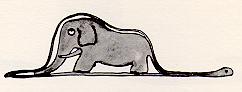


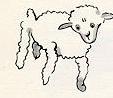
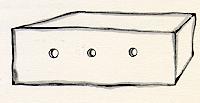


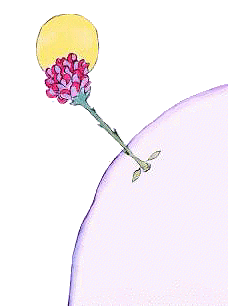
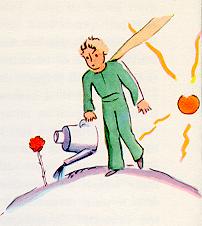


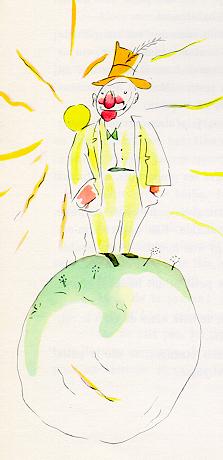

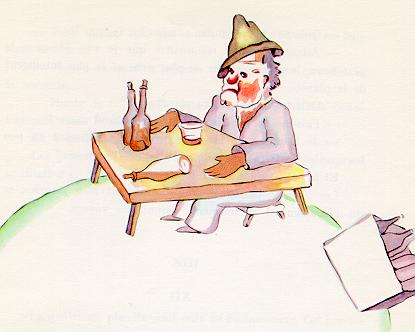

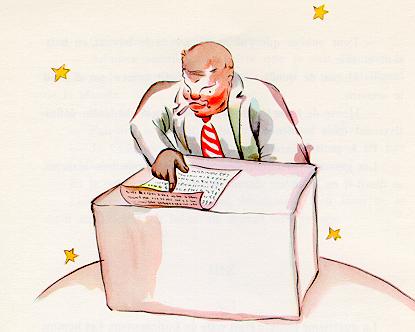


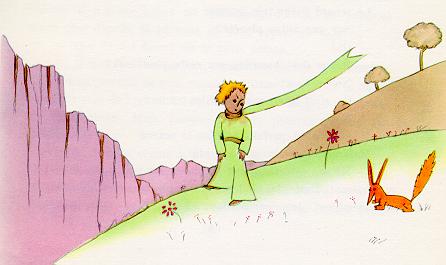


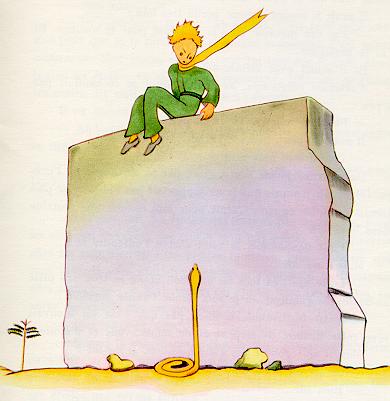


 Լիլիթ Սարիբեկյան