Ejercicios ( Cuaderno de ejercicios )

Ejercicios ( Cuaderno de ejercicios )

Pagina 28, ejercicio 5

  1. Panderia-pan
  2. charcuteria-el jamon
  3. fruteria-las mazanas
  4. pescaderia-el pescado
  5. polleria-el pollo

Pagina 29, ejercicio 2

  1. Hoy yo no quiero postre.
  2. Mama Jorge quiere un helado.
  3. Que quiereis vosotros.?
  4. Luis y yo quieremos manzanas.
  5. Ellas no quiere paella.
  6. Nosotros quieremos mas sopa.
  7. Lucia quiere una hamburguesa.
  8. Laura y Carlos quieren naranjas.

Pagina 29, ejercicio 4

  1. Quieres una naranja de postre?
  2. Te gustan las zanahorias?
  3. Mira una coche que mas me gusta.
  4. En el frigorifico solo hay unas manzanas.
  5. A mis hijos les gusta mucho los carne.
  6. Donde hay resturante peruano?
  7. A lorenzo no le gustan unos bocadillos.
  8. En la cocina hay un bocadillos para le excurdion.

Pagina 30, ejercicio 5

  1. A ti te gusta la Historia?
  2. A Luis y Maria no os gustan la paella.
  3. A nosotros nos gustan mucho los animales.
  4. Ami hermano no me gusta nada la carne.
  5. A vosotroa os gustan los macarrones?
  6. A mi madre no me gusta nada el futbol
  7. A ti te gusta el pescado?

Pagina 31, ejercicio 9

  1. Pedro te gustan los platanos? (Si, mucho)
  2. Lucia quieres una rosquilla? (No, gracias)
  3. Mama, ya no me gusta mas arroz.
  4. A Jorge le gusta mucho la fruta, pero no ne gustan nada lad verduras.
  5. Nosotros nos gusta ver una pelicula despues de comer. Nos gustan mucho las peliculas de aventuras.
  6. Julia Laura, os gusta el futbol.
  7. A usted quiere el futbol? ( no, nada)
  8. Mis padres quieren un coche nuevo.
  9. A Antonio no le gusta el coche nuevo de Jose.
  10. Me gustan mucho los macarrones con tomate.

Pagina 31, ejercicio 11

  1. A Juan le quiere mucho el futbol.
  2. Te quieres los animales?
  3. Quiereis pan?
  4. Yo no quiero postre.
  5. A Pablo le quiere mucho los espaguetis.
  6. Juan y Jorge quiereis zumo.
  7. A ellas no les quiereis nada el cafe.
  8. Quieres agua?
  9. A mi no quiero el cafe.
Exercises

Exercises

1. There was a picture lying on the floor.
(It / fall / off the wall) It had fallen off the wall.
2. The people sitting next to you on the plane were nervous. It was their first flight.
(They / not / fly / before) They hadn’t flown before.
3. You went back to your home town recently after many years. It wasn’t the same as before.
(It / change / a lot) It had changed a lot.
4. Somebody sang a song. You didn’t know it.
(I / not / hear / it / before) I hadn’t heard it before.
5. I invited Rachel to the party, but she couldn’t come.
(She / arrange / to do something else) She had arranged to do something else.
6. You went to the cinema last night. You got to the cinema late.
(The film / already / start) The film had already started.
7. Last year we went to Mexico. It was our first time there.
(We / not / be / there / before) We hadn’t been there before.
8. I met Daniel last week. It was good to see him again after such a long time.
(I / not / see / him for five years) I hadn’t seen him for five years.
9. I offered my friends something to eat, but they weren’t hungry.
(They / just / have / lunch) They had just had lunch.
10. Sam played tennis yesterday. He wasn’t very good at it because it was his first game ever.
(He / never / play / before)He had never played before.

1. Paul wasn’t at the party when I arrived. He’d gone (He / go) home.
2. I felt very tired when I got home, so I went (I / go) straight to bed.
3. The house was very quiet when I got home. Everybody had gone (go) to bed.
4. Mark travels a lot. When I first met him, he had already traveled(he / already / travel) round the world.
5. Sorry I’m late. The car broke (break) down on my way here.
6. We were driving along the road when we saw (we / see) a car which had broken
(break) down, so we stopped (we / stop) to help.

10 expressions to Use In Speaking And Writing

10 expressions to Use In Speaking And Writing

  1. Sorry.
  2. I’m (so / very / terribly) sorry.
  3. Ever so sorry.
  4. How stupid / careless / thoughtless of me.
  5. Pardon (me)
  6. That’s my fault.
  7. Sorry. It was all my fault.
  8. Please excuse my (ignorance)
  9. Please don’t be mad at me.
  10. Please accept our (sincerest) apologies.

How To Use These Phrases In Your English: 

  1. Phrase 1 is a general short apology. We use this when we bump into people on the street. At other times, it sounds too weak.
  2. In phrase 2, we use ‘so’, ‘very’ and ‘terribly’ to make the meaning stronger. ‘Terribly’ is the strongest. If we use one of the words in brackets, it is stressed.
  3. Phrase 3 is quite formal but it’s a stronger apology than just ‘sorry’.
  4. We use phrase 4 to criticize ourselves and the mistake that we have just made.
  5. We use phrases 6 and 7 to take all the responsibility for what happened. Phrase 7 is a little stronger.
  6. We use phrase 8 to apologize for our lack of knowledge or ability. We can replace the word in brackets with other nouns, e.g. carelessness, forgetfulness.
  7. Phrase 9 is asking the other person not to get angry. The tone is quite informal.
  8. Phrase 10 is often used in formal letters. The word ‘sincerest’ makes the apology very strong and very formal.
Are you going to celebrate New Year

Are you going to celebrate New Year

New Year is one of my favorite celebrations, because everyone celebrate it. It has it’s rare aestethic and athmosphere. Every year it’s like the beginning of something special and unbelievable and although i don’t belive in magic, but till now i believe in New Year mirical.

2020 has been one of the hardest years for humanity, especially for armenians. But inspite all troubles , i want to celebrate it , cause for me it will mean the last step of this difficult year, and the begining of a new, bright year.

Exercises

Exercises

  1. We can go out now. It isn’t raining (it / not / rain) any more.
  2. Katherine was waiting (wait) for me when I arrived (I / arrive).
  3. I am getting (I / get) hungry. Let’s go and have something to eat.
  4. What do you do(you / do) in your spare time? Do you have any hobbies?
  5. The weather was horrible when we arrived(we / arrive). It was cold and it was raining
    (it / rain) hard.
  6. Louise usually phones (phone) me on Fridays, but she didn’t phone (she / not / phone) last Friday.
  7. a: When I last saw you, you were thinking (you / think) of moving to a new flat.
    b: That’s right, but in the end I decided(I / decide) to stay where I was.
  8. Why are you looking (you / look) at me like that? What’s the matter?
  9. It’s usually dry here at this time of the year. It doesn’t rain(it / not / rain) much.
  10. I waved to Ben, but he didn’t see me. He wasn’t looking (he / not / look) in my
    direction.
  11. Lisa was busy when we went (we / go) to see her yesterday. She had an
    exam today and she was preparing (she / prepare) for it. We didn’t want
    (we / not / want) to disturb her, so we didn’t stay (we / not / stay) very long.
  12. When I first told (tell) Tom what happened, he didn’t believe (he / not / believe) me. He thought (he / think) that I was joking
    (I / joke).
After Twenty Years

After Twenty Years

It was a story about two friends, Jimmy and Bob, who decided to meet each other after twenty years at a door of restaurant. It was ‘Big Joe’ Brady’s restaurant. Bob was standing there and was waiting for Jimmy when one officer came to him. Bob said that it’s all right and he is waiting for his friend. Then he told officer their story. He said that twenty years ago they decided to meet here. It was too long time but Bob was sure that if Jimmy was alive he would come to see his old friend. Bob came a thousand miles to stand in this door to-night. After he told that story officer went. Some minutes later a man came to Bob and said that he is Jimmy. Bob was exited but after talking with that man he understood that it wasn’t Jimmy. That man gave him a letter. It was a letter from that officer. The officer was real Jimmy but he couldn’t say that to Bob, because he knew that Bob was a criminal and he was an officer. But he didn’t forget that they had to meet each other after twenty years and he came to see his criminal but old good friend.

I think that their friendship were so strong. After twenty years they both didn’t forget about what they decided. And Jimmy didn’t want his criminal friend to know that he was officer and had to arrest him. He just came to see his friend and that’s it.

Ձմեռային ընթերցումներ

Ձմեռային ընթերցումներ

Լուցկիներով աղջիկը

(վերլուծություն)

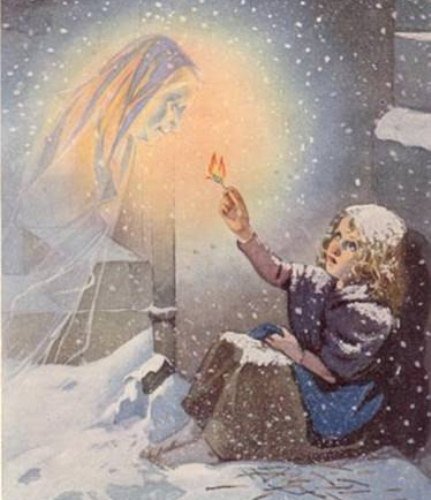
Մի ցուրտ երեկո , աղջիկը շրջում էր փողոցներով, որպեսզի իր լուցկիները վաճառի: Նա մրսում էր , քանի որ հագել էր իր մոր հնամաշ կոշիկները, որոնք առանձ այն էլ մեծ էին և անհարմարավետ: Քիչ անց աղջկանից ողանում են իր կոշիկները, որպեսզի երեխայի համար օրորոց պատրաստեն: Աղջիկը մնում է ոտաբոբիկ: Նա շատ էր մրսում , սակայն տուն վերդառնալ չէր կարող, քանի որ ձեռնունայն տուն վերդառանալու պատճառով նրա ֆաժան հայրը կճպատժի աղջկան: Այս ամենից բացի տուն վերդառանալը անիմաստ էր քանի եր տանը նույնպես ցուրտ էր:

Աղջիկը շատ էր մրսել և իր տաքանալու միակ միջոցը լուցկին էր: Նա գնում է մի պատի տակ նստում և սկսում լուցկիները վառել: Առաջին լուցկին վառելիս նա տեսիլք է տեսնում, թե իբրև տաք կրակը նրան ձերմացնում է , սակայն լուցկին հանգչում է: Նա վառում է երկրորդը, այս անգամ նա մի սենյակում էր գտնվում և իր դիմաց դրված էր ճոխ սեղան: Երրորդ լուցիկն վառելով նա տեսնում է շքեղ զարդարված և տաք տուն : Հենց այս ժամանակ նա նկատում է , որ ինչ-որ մեկը մահացավ, քանի որ երկնքից աստղ էր գլորվել իր ետևից հետք թողնելով: Նա տեսիլք է տեսնում , որտեղ իր մահացած տատիկն էր: Աղջիկը այնքան էր կարոտել տատիկին, որ ամբողջ լուցկիները վառում է : Տատիկը պարզում է ձեռքը և նրանք միասին գնում են դիմավորելու Ամանորը:

Առավոտյան պատի մոտ գտնում են աղջկա դին: Նա տաքանալ էր ուզում…

Պատմվածքը մյուսներից առանձնանում է իր եզակի հուզական դաշտով; Այս պատմվածքը անապահով և խեղճ կյանքով ապրող աղջկա մասին է: Աղջիկը իրեն անապահով էր զգում , քանի որ նրա հայրը իրեն պաշտպանելու փոխարեն մշտապես սպառնում էր: Աղջիկը այնքնա էր երազել տաք տան, ճոխ սեղանի, գեղեցիկ եղևնու մասին ,որ այդ ամենը իր համար երազանք էր դարձել և նա դա միայն տեսիլքում էր տեսնում: Նայելով աղջկան հասկանում ենք , որ այդ ամենը մեզ համար սովորական մի բան է: Եվ ուշ ենք հասկանում , որ կան հազարավոր մարդիկ , որոնք չունեն մեր հնարավորությունները և անգամ երազում են դրանց մասին , մինչ դեռ մենք շարունակ բողոքում ենք կյանքից և մշտապես մեղադրում ճակատագրին:

Ամանորյա հեքիաթ

(վերլուծություն)

Կարծում եմ ,պատմությունը մարդկանց կյանքն ու երազանքներն է բնութագրում: Սկզբում պատմում է այն մասին թե ինչերի միջով անցան մայրիները: Ապա պատմում է նրանց երազանքների և ցանկությունների մասին:

Ցավոք նրանց երզանքները կարծես անկատար մնացին քանի որ նրանք կտրվեցին և դեռ մի բան էլ ոչ այնքան լավ պայմաններում հայտվեցին: Իսկ վերջում , բոլորն էլ հասան իրենց երազանքների : Մի մասը ուրախացավ, քանին որ իրենց երազանքը հենց այպես էր կատարվել ինչպես որ իրենք էին ուզում: Երրորդ մայրին շարունակ անիծեց իրեն և իր բախտը , չհասկանալով որ իր երազանք էլ է կատարվել, պարզապես ոչ այնպես ինչպես որ նա էր կամենում:

Եվ իսկապես , պետք է զգույշ երազել, քանի որ երազանքները կատարվելու հատկություն ունեն:

Սուրբ Ծննդյան հեքիաթ սրինգ նվագող աղջկա մասին

(վերլուծություն)

Մի աղջիկ շարունակ սրինգ էր նվագում: Նա իր երգերում պատմում էր աշխարհի գեղեցկության մասին: Նաև նվագում էր հրաշքների և կախարդանքների մասին: Մի օր անցորդներից մեկը նիան ասում է , որ իրականում աշխարհը այդպես գեղեցիկ և խորհրդավոր չէ ինչպես որ նա է պատկերացնում: Անցորդը նրան հորդորեց գրել այնպիսի երգեր, որոնցում ամեն բան իրական կլինի: Աղջիկը տխրեց , իսկ երբ փորձեց նվագել այնպես ինչպես որ անցորդը ասաց, նկատեց որ սրինգը չի նվագում:

Աղջիկը սրինգին հարցրեց թե որն է պատճառը, որ այն այլևս չի նվագում: Ի պատասխան սրիգը ասաց, որ կնվագի այն ժամանակ երբ աղջիկը կնվագի այն ինչին որ ինքն է հավատում, այլ ոչ թե այն ինչին որ բոլորն են հավատում: Այդ պահից սրինգը սկսեց կրկին նվագել և աղջկա ստեղծագործական աշխատանքները անտարբեր չէին թողնում ոչ ոքին:

Միշտ պետք է հիշել, որ այս աշխարհում կա մի ճշմարտություն՝ յուրաքանչյուր մարդ պետք է հավատա իր մտքին, քանզի միայն այդպիսով կարելի է դառնալ հանճար: Այո այդպիսով կլինենք հանճար , թեկուզ և հնարավոր է ոչ աշխարահռչակ , սակայն մեր հոգում այն ամենահայտնի հանճարը կլինի երբևէ:

Շարլի Չապլինի նամակը դստերը

(վերլուծություն)

Նամակը կրում է դաստիարակչական բնույթ: Չարլին նամակը գրել է Ծննդյան գիշերը, այդ ժամանակ նրա ընտանիքի բոլոր անդամները քնած էին: Նամակը ուղղված է դստերը` Ջերալդինային:

Չարլին պատմում է թե ինչպիսին է եղել իր աղջկա մանկությունը, պատմում է թե ինչպես էր ամեն երեկո հեքիաթեր կարդում երեխայի համար: Ասում է , որ չնայած նրան որ հեռու է գտնվում, միևնույնն է աղջկա պատկերը աչքերի առաջից մեկ վայրկյան անգամ չի հեռանում: Ասում է , որ իր աղջիկը լավ պարուհի է, ով վայելում է հադիսատեսի սերը և հարգանքը: Նամակի մեջ նա խրատում է դստերը, ասելով ` երբեք քեզ վեր չդասես հասարակությունից, իսկ երբ սկսես քեզ վեր դասել այդժամ լքիր բեմը: Երբ մի օր մտածես այն բանի մասին թե դու առավել ես, ապա շրջիր մետրոյով, քայլիր արվարձաններով և նայիր մարդկանց աչքերին, միայն այդժամ կհասկանաս, որ դու նույնպես նրանց մի մասն ես կազմում: Նա նաև ասում է, որ եթե ունենաս մեծաքանակ հարստություն, ապա չմոռանա նաև կարիքավորներին : Երբ ծաղսի երկու ֆրանկ, հիշի որ հաջորդ երրորդը իրենը չէ: Այնուհետև ասում է, որ նա շատ հեքիաթներ է պատմել, բայց երբեք չի պատմել իր կյանքի հեքիաթը: Իր հեքիաթի սկիզբը գորշ գույներով էր, նա մի կարիքավոր տղա էր , ով շրջում էր փողոցներով ուրախեցնում մարդկանց և դրա դիմաց ողորմություն խնդրում: Ասում է, որ այդ մարդիկ նույնիսկ չէին էլ հասկանում այն, որ նա ինչքան ծիծաղեցնում է մարդկանց, դրանից ավել էլ ինքն է լաց լինում:

Կարծում եմ , Չարլիի նամակը պետք է խրատի ոչ միայն Ջերալդինային, այլև բոլոր-բոլորին:

Պաուլո Կոելիո «Խստաշունչ ձմեռը և ցնցոտիավոր ծերունին»

(վերլուծություն)

Մոսկվա քաղաքում ցրտաշունչ ձմեռ էր: Մի անօթևան ծերունի օրեր շարունակ անց կացնելով դրսում, հյուծվել էր և սովամահ էր լինում: Այդ նուն ժամանակ Մոսկվայից քսան կիլոմետր հեռավորության վրա գտվող հյուանոցներից մեկում, սնանկություն էր տիրում: Մի գիշեր ծերունին թակում է հյուրանոցի դուռը և տիրոջից խնդրում ապաստան և ուտելիք: Տերը ասում է , որ դա մոտավորապես կկազմի երեք ռուբլի: Ծերունին ազնվորեն ասում է , որ դրամ չունի: Տերը նրան խղճում է և ներս հրավիրում: Ծերունուն ճակնդեղով ապուր է հյուրասիրում և հաց: Նա այնքան քաղցած որ, որ շտապով ուտում է ամենը և վերջում մորուքի վրա ճակնդեղի հետքեր են մնում: Ծերունին ասում է , որ առավոտյան շուտ կհեռանա, բայց մեկ օր անպայման կվերադարձնի երեք ռուբլին: Տեր այս ամենին լրջություն չի տալիս:

Անցնում են ժամանակներ և հյուրանոցում գործը սկսում է լավանալ: Տերը որոշում է գնալ եկեղեցի և շնրհակալություն հայտնել Տիրոջից: Երբ մտնում է եկեղեցի հայացքը ընկնում է մի նկարի վրա որտեղ պատկերված էր մի ծերունի: Մոտենալով նա հասկանում է , որ դա այդ նույն ծերունին է : Մորուքի վրա նկատում է նաև ճակնդեղի հետքերը, ապա տեսանում է սրբապատկերի տակ գրվածը` «Սուրբ Նիկողայոս»:

Հյուրանոցի տերը ցանկացավ մոմ վառել սրբապատկերի մոտ, և երբ մատներով փորփրեց հողը` տեղավորելու մոմը, շոշափեց մի փոքրիկ կոշտ բան: Դա դրամ էր` ռուբլի, կողքին կար ևս 2 ռուբլի: Հյուրանոցի տերը վերցրեց դրամները և կրկին նայեց սրբապատկերին. ճակնդեղի լաքան անցել էր, իսկ ծերունու դեմքը ժպտում էր:

Պատմությունը այն մասին է , որ որքան էլ մարդ վատ վիճակում գտվի միևյունն է պետք է օգնի մերձավորին, քանզի դա մեկ օր անպայման ետ է վերադառնում: Այլ կերպ ասած` լավություն արա և ջուրը գցիր:

Փիրըլ Բաք  «Սուրբ Ծնունդի օրվա առավոտյան»

(վերլուծություն)

Պատմվածքը մի տղայի մասին է, ով Սուրբ Ծննդյան նախօրեին , ցանկանում էր նվեր գնել իր հոր համար , սակայն գումար չուներ: Տղան որոշում է, որ այդ օրը հոր փոխարեն ինքը կաշխատի ախոռում: Առավոտյան վաղ զարթնելով տղան կաըարում է ողջ աշխատանքը, ապա վերադառնում և քնած է ձևանում: Հայրը առավոտյան ախոռ գնալով ուրախությունից ցնցվում է: Տղայի անակնկալը ստացված էր:

Պատմվածքի իմաստը կայանում է նրանում, որ եթե ցանկանում ենք որևէ լավ արարք գործել, ապա դրա համար գումար ունենալ պետք չէ: Կարևորը այն է ` թե ինչպես է մտածված և ինչ սրտով:

Օ Հենրի «Մոգերի ընծաները»

(վերլուծություն)

Գլխավոր հերոսներն են Դելլան և Ջիմը: Նրանք երիտասարդ ամուսիններ են և ապրում են շատ հասարակ կյանքով: Ունեին ընդամենը երկու թանկ բան, որոնցով հպարտանում էին: Մեկը Ջիմի՝ հորից և պապից ժառանգած ոսկե ժամացույցն էր, մյուսը՝ Դելլայի՝ երկար և փայլփլող մազերը: Նրանք ապրում էին վարձով բնակարանում և պատրաստվում էին նշել ամանորը: Ցանկանում էին միմյանց նվերներ գնել, բայց գումար չունեին: Դելլան վաճառեց իր շքեղ մազերը, որպեսզի Ջիմի ժամացույցի համար նոր պլատինե շղթա գնի: Իսկ Ջիմը հենց այդ նույն ժամացույցը վաճառեց, որ Դելլայի համար սանրերի հավաքածու գնի: Երկուսն էլ զարմացան, երբ տեսան նվերները, բայց որոշեցին դրանք պահել, մինչև  որ պետք կգան:

Նովելը սիրո և նվիրվածության մասին է: Հերոսների միջոցով մենք տեսնում ենք, որ կան այնպիսի մարդիկ, ովքեր կարող են այնքան շատ սիրել, որ կգնան մինչև անգամ անձնազոհության: իՆձ համար շատ կարևոր է և առանձնահատուկ է այն, որ ո՛չ Ջիմը, ո՛չ Դելլան ողբերգության չվերածեցին կատարվածը: Չվիճեցին, չնեղացան իրարից, որ վաճառել էին իրենց միակ ուրախությունները:

Ըստ իս, Օ Հենրիի ամբողջ ասելիքը ամփոփված է հետևյալ տողերի մեջ. «Իսկ ես այստեղ ձեզ պատմեցի առանձնապես ոչ մի բանով աչքի չընկնող մի պատմություն ութ դոլարանոց բնակարանում ապրող երկու անմիտ երեխաների մասին, որոնք ամենայն անկեղծությամբ իրար զոհաբերեցին իրենց ամենամեծ գանձը։ Եվ թող սա օրինակ ծառայի մեր օրերի իմաստուններին, որ բոլոր նվիրատուներից ամենաիմաստունը այս երկուսն էին։ Բոլոր նվիրատուներից կամ ընծա ընդունողներից ամենաիմաստունները հենց սրանց նմաններն են։ Ամենուրեք ու ամեն տեղ։ Եվ մոգերը նրանք են»:

Exercises

Exercises

Շտեմարան

Section 3, Text 2

A number of (1) individual diamonds have become (2) famous because of the
size. The largest of all known diamonds is the Cullinan, which was discovered in South
Africa in 1905 and was presented to Edward VII, king of the United Kingdom of Great
Britain and Northern Ireland, by the government of the Transvaal. The Cullinan
weighed 3, 106 carats before cutting and was pronounced by crystallographers to be a
fragment of a (3) considerably larger stone. When the stone was cut, a total of 105 gems
were produced, weighing 1, 063 carats in all. The largest of these was a stone called the
Star of Africa, the biggest cut diamond in (4) existence, and now set in the British
(5) royal scepter.

The Gift of the Magi

The Gift of the Magi

The Gift of the Magi

I read the story written by O. Henry. It was about a girl who had beautiful and awesome hair. Her name was Della. She was living with her husband, Jim. Jim had a expensive watch. That watch was his granfather’s and the his dad’s and it was very special watch for him. Della’s hair and Jim’s watch were the things that they were proud of. They were poor and they couldn’t give each other expensive gifts in Christmas. The next day would be Christmas and Della didn’t have enough money for Jim’s gift. She was sad and she didn’t know what to do. Finnaly she decided to cut her beautiful hair and sold it. She sold it especially for Jim’s gift. She bought gold watch chain, very simply made for Jim’s watch. She knew that he would like the chain but she was afraid about his reaction of her short hair. When Della showed Jim her short hair and the chain he was shocked. He didn’t know what to say, because he sold his watch to buy combs for Della’s hair.
It was very cute story. I liked it very much. It wasn’t about gifts or Christmas, it was about a strong relationship. Della and Jim were ready to do everything for each other. Nothing was more than their love and relationship. It’s the main idea of the story. We all should think like them, because nothing is more important then our families, friends and relatives.

Test de español

Test de español

1.Գրել իսպաներեն։

54- cincuenta y cuarto

97- noventa y siete

83- ochenta y tres

15- quince

18- dieciocho

26- veintiseis

II- segundo

III- tercero

IV- cuarto

VI- sexto

IX- noveno

X- decimo

2.Բառակապակցությունները դնել հոգնակի թվով։

Esta chica- estás chicas

este alumno- estos alumnos

mi casa- mis casas

su hermano- sus hermanos

vuesrto amigo- vuestros amigos

la mano grande- las manos grandes

el ordenador nuevo- los ordenadores nuevos

el coche viejo- los coches viejos

3.Խոնարհել բայերը և թարգմանել։

Estudiar- սովորել, ուսումասիրել
Yo estudio
Tu estudias
El/ella/usted estudia
Nosotros estudiamos
Vosotros estudiais
Ellos/ellas/ustedes estudian

tener-ունենալ
Yo tengo
Tu tienes
El/ella/usted tiene
Nosotros tenemos
Vosotros tenéis
Ellos/ellas/ustedes tienen

escribir-գրել
Yo escribo
Tu escribes
El/ella/usted escribe
Nosotros escribimos
Vosotros escribis
Ellos/ellas/ustedes escriben

ser-լինել
Yo soy
Tu eres
El/ella/usted es
Nosotros somos
Vosotros sois
Ellos/ellas/ustedes son

4.Բացել փակագծերը՝ խոնարհելով բայերը

1.Yo como (comer) a las 2.

2.Mis primos y yo vivimos(vivir) en Madrid.

3.Tu madre trabaja (trabajar) en un hospital.

4.Maria habla (hablar) mucho por teléfono.

5.Nuestra hermana tiene (tener) una gata.

5․Իսպաներեն թարգմանել շաբաթվա օրերը։

Երկուշաբթի- lunes

 Երեքշաբթի- martes

 Չորեքշաբթի- miércoles

 Հինգշաբթի- jueves

Ուրբաթ- viernes

 Շաբաթ- sábado

 Կիրակի- domingo