Երաժշտությունը սկզբնավորվել է նախամարդու հուզական խոսքի ելևէջների, աշխատանքային ռիթմերի, ձայնային ազդանշանների, թռչունների երգի ու կենդանիների զանազան կանչերի, հմայանքի հնչյունային տարրերի հիման վրա:
Յուրաքանչյուր ժողովուրդ ունի իր երաժշտական լեզուն. օգտագործելով երաժշտական լեզուների որոշակի տարրերն ու ընդհանուր կանոնները, ձևափոխելով դրանք՝ կոմպոզիտորը ստեղծում է իր անհատական լեզուն: Համաշխարհային երաժշտությունը հարուստ է բազմաթիվ տարատեսակներով, որոնք տարբերվում են ոճով, բովանդակությամբ, կատարման միջոցներով, ժանրային խմբերով և այլն: Երաժշտության հնագույն տեսակները (հմայական ծեսի, աշխատանքի, որսորդության) առաջացել են դեռևս նախնադարյան հասարակարգում և միախառնված էին արվեստի այլ տեսակների տարրերին:
Հայաստանում երաժշտությունն սկզբնավորվել է մ. թ. ա. XX–XVIII դարերում : Մեր մեծերը զարգացրել են հայկական երաժշտական մշակույթը: «Ով որ երաժշտությամբ զբաղվում է, նա ավելի բարի է, նրա մեջ դեպի գեղեցկությունը վերաբերմունքը լրիվ այլ է»,- ասում է Կոմպոզիտորների միության նախագահ Արամ Սաթյանը և ավելացնում,- «երբ լսում ես լավ երգ, վատ արարքներ չես գործում։ Երաժշտությունը ոչ միայն մեծ դեր ունի մշակութային կյանքում, այլև մեր կյանքում: Երաժշտությունը մեզ ուղեկցում է ամբողջ կյանքի ընթացքում։ Այն հանգստացնում է, ուրախ տրամադրություն պարգևում, իր հետ բերում հիշողություններ, մոտիվացնում աշխատանքը։
Թրաֆիքինգը անգլերենից թարգմանաբար նշանակում է ՝ ինչ-որ բանի անօրինական վաճառք: Տվյալ դեպքում՝ դա մարդկանց ստրկական, սեռական, բռնի և չնչին վարձատրությամբ աշխատանքի տեսքով անօրինական շահագործումն է: Թրաֆիքինգը ծանր հանցագործություն է և նույնքան շահութաբեր է , որքան զենքերի և թմրանյութերի անօրինական վաճառքը: Կան թրաֆիքինգի մի շարք տեսակներ՝ ստրկություն կամ ստրկության նմանվող իրավիճակ, հարկադիր աշխատանք, սեռական շահագործում , երեխաների վաճառք, օրգանների փոխպատվաստում և այլն , այս ամեն ցավք այսօր մեծ տարածում ունի:
Ինտերպոլի տվյալներով, թրաֆիքինգը ամենաարագ զարգացող հանցագործություններից է: Ամեն տարի մոտավորապես 4.000.000 մարդ դառնում է թրագիքինգի զոհ: Հանցագործներին այն բերում է տարեկան 8-10 միլիարդ դոլարի եկամուտ: Մարդկանց վաճառքով և վերջիններիս շահագործմամբ զբաղվողները կոչվում են՝ թրաֆիքյորներ, սակայն կան նաև միջնորնդեր ՝ գործողություններն իրականացնելու համար:
Թրաֆիքյորները զոհին ձեռք են բերում տարբեր միջոցներով ՝ խաբեությամբ, բռնի ուժի կիրառմամբ կամ առևանգմամբ: Մեր օրերում տարածված է խաբեությամբ հավատ ներշնչելը: Նրանց հիմնական թիրախն են ՝ գործազուրկները կամ սոցիալապես անապահով վիճակում գտնվողները:
Երևույթից խուսափելու համար հարկավոր է զգուշացնել ողջ ժողովրդին և իհարկե զերծ մնալ կասկածելի առաջարկներից, քանզի անվճար պանիրը միայն թակարդում է լինում:
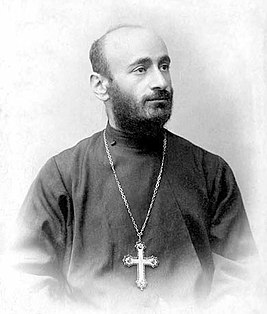
Մեծ հայրենասեր, բարի, տաղանդավոր, աշխատասեր, ընկերասեր, երաժշտական
հանճար այլ կերպ՝ Կոմիտաս: Կոմիտասը մեր երաժշտական հանճարն է : Նա մուտք գործելով
հայ երգի ասպարեզ, մաքրեց հայոց երաժշտությունը և նոր ոգի դրեց երաժշտական մշակույթի
մեջ: Նա մեզ մեծ երաժշտական գանձարան է թողել: Կոմիտասի դերը անգնահատելի է եղել հայ
ժողովրդի կյանքում, նա ոչ միայն հրաշալի կերպով տիրապետում էր իր գործին , այլև մշտապես
ժողովրդի կողքին էր դժվարին պահերին: Կոմիտասը
մեր ժողովրդի
հպարտությունն է.
նրա գործը՝
մեր ազգային
անսպառ հարստությունը: Ինչո՞վ է
արժանացել նա
մեր ժողովրդի
այս բարձր
գնահատանքին: Նա
ո՛չ օպերաներ
է գրել,
ո՛չ օրատորիաներ,
թերևս մի
քանի արիաներ
կամ ռոմանսներ
միայն: Բայց
ավելի մեծ
գործ է
կատարել, քան
այդ բոլորը:
Նա հայտնագործել
է մեր
ազգային երգը,
հայկական երաժշտությունը, ազգային մելոսը՝
ինքնուրույն, ինքնատիպ
և անաղարտ:
Նա հիմք
է դրել
ազգային երաժշտական
կուլտուրայի:
Խոսելով
նրա տաղանդներից , առաջինը որ կարող ենք նշել՝ դա նրա փայլուն լսողությունն է: Այո
, այնպիսի լսողություն ինչպիսին Կոմիտասինն էր, մեր օրերում դժվար է գտնել: Նա զրուցելով
մարդու հետ հասկանում էր ձայնի տեսակը և հզորությունը: Հենց այսպես էլ նա ընտրել էր
իր երգչախմբի երեխաներին: Կոմիտասը մեծ հայրենասեր էր, այդ մասին իր աշխատություններում
գրել է Ավետիք Իսահակյանը: Իսահակյանը, մշտապես հիանում էր Կոմիտասի տաղանդով, նա կարծում
էր , որ առանձ Կոմիտասի հայկական երաժշտության զարգացման ուղին թերի կլիներ: Իսկապես
, դժվար է պատկերացնել մեր երաժշտական մշակույթը առանձ Վարդապետի:
Այս
տարի մեր հանճարը դարձավ 150 տարեկան, այո դարձավ այլ ոչ թե կդառնար, քանի որ ինչպես
ինքն էր ասում նա միշտ ապրելու է հայ ժողովրդի հոգում:
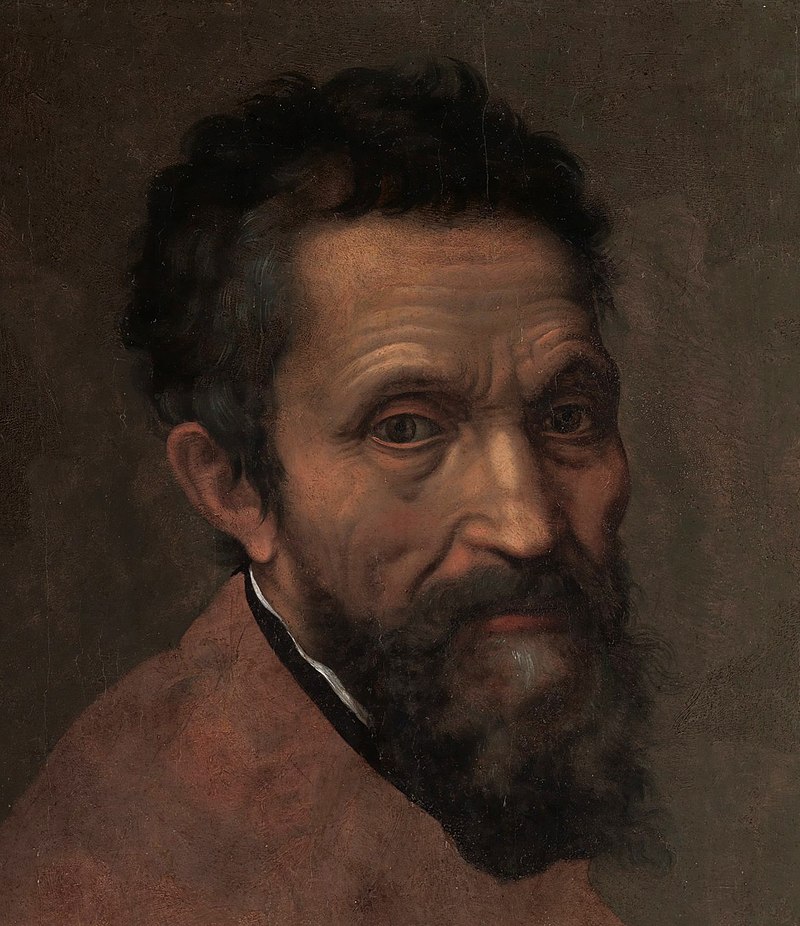
Michelangelo was an Italian sculptor, painter, architect and poet of the High Renaissance born in the Republic of Florence, who exerted an unparalleled influence on the development of Western art. Considered by many the greatest artist of his lifetime, and by some the greatest artist of all time, his artistic versatility was of such a high order that he is often considered a contender for the title of the archetypal Renaissance man, along with his rival, the fellow Florentine and client of the Medici, Leonardo da Vinci.
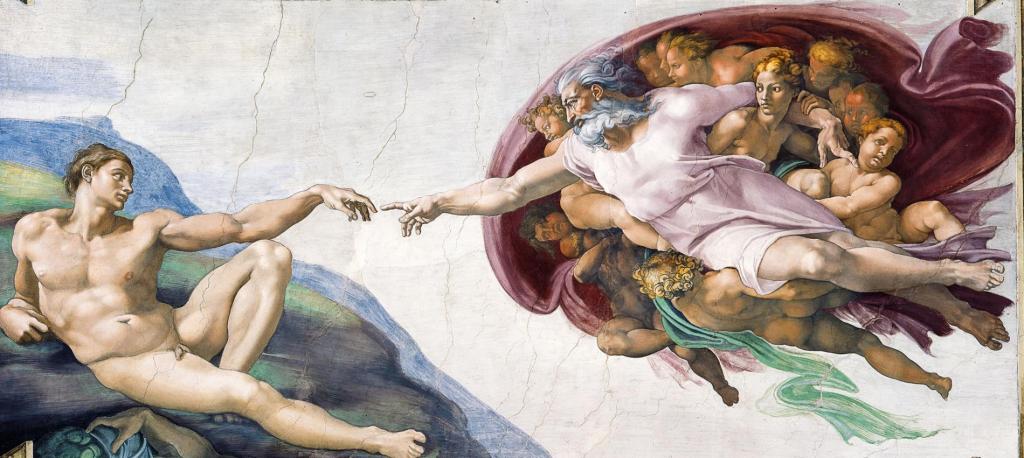
A number of Michelangelo’s works of painting, sculpture and architecture rank among the most famous in existence. His output in these fields was prodigious; given the sheer volume of surviving correspondence, sketches and reminiscences, he is the best-documented artist of the 16th century. He sculpted two of his best-known works, the Pietà and David, before the age of thirty. Despite holding a low opinion of painting, he also created two of the most influential frescoes in the history of Western art: the scenes from Genesis on the ceiling of the Sistine Chapel in Rome, and The Last Judgment on its altar wall. His design of the Laurentian Library pioneered Mannerist architecture. At the age of 74, he succeeded Antonio da Sangallo the Younger as the architect of St. Peter’s Basilica. He transformed the plan so that the western end was finished to his design, as was the dome, with some modification, after his death.
Michelangelo was the first Western artist whose biography was published while he was alive. In fact, two biographies were published during his lifetime. One of them, by Giorgio Vasari, proposed that Michelangelo’s work transcended that of any artist living or dead, and was “supreme in not one art alone but in all three”.
In his lifetime, Michelangelo was often called Il Divino (“the divine one”). His contemporaries often admired his terribilità—his ability to instil a sense of awe. Attempts by subsequent artists to imitate Michelangelo’s impassioned, highly personal style resulted in Mannerism, the next major movement in Western art after the High Renaissance.
Եթե չկա բնություն, չկա նաև կյանք: Այս խոսքը պետք է մշտապես հիշել: Մարդկության զարգացումն անհնար է պատկերացնել առանց բնության, սակայն մարդկության արագ զարգացումը բնության վրա թողնում է աղետալի հետևանքներ:
Մարդիկ իրենք են որոշում թե ինչպիսին պետք է լինի իրենց շրջակա միջավայրը, սակայն ցավոք մեծամասնությունը դա չի գիտակցում: Առանց բնության դժվար է պատկերացնել մեր շրջակա միջավայը: Մենք պետք է մշտապես մաքուր պահենք այն, քանզի դրանից է կախված մեր ապագան:
Ցավոք, մարդիկ ուշ հասկացան այս ամենը : Նախքան այս գիտակցության
հասնելը, մարդը անխնայողաբար օգտագործում էր բնությունը, նաև զուգահեռ աղտոտելով շրջակա
միջավայրը: Հենց այս պատճառով մարդկությունը կանգնած է համամոլորակային խնդրի առջև:
Էկոլոգիան որպես գիտություն, հետազոտում է այդ խնդիրները և հնարավոր լուծումներ տալիս: Կարծում եմ , էկոլոգիան որպես գիտություն վաղուց է եղել, պարզապես առավել ուշարության է արժանացել այն ժամանակ, երբ առաջ եկան մի շարք խնդիրներ: Ներկա պահին այն որպես գիտություն զարգացած է , ինչը շատ կարևոր է , քանի որ որոշ չափով կանոնակարգվում է մարդկանց կողմից բնության շահագործումը:
Ներկա պահին ցավոք բնությունը աղետալի վիճակում է գտնվում: Մեր միջավայրը աղտոտված է , մարդու գործունեության շնորհիվ: Մեծ ծավալի են հասել անտառային հրդեհները, վերանում են մի շարք կենդանատեսակներ, բուսատեսակներ, աղտոտվում է ջուրը և այսպես մի շարք խնդիրներ կան որոնք իրենց վերջնական լուծումները չեն գտել: Եթե այսպես շաչունակվի , ապա մարդը անկարող կլինի վերականգնել բնությունը: Կարծում եմ բնությունը մարդկությանը արժանի կերպով է պատասխանում, քանի որ ամեն բան փոխադարձ է: Իսկապես եկեք մի պահ պատկերացնենք թե ինչ լավ դասավորված կլիներ բնություն- մարդ հարաբերությունները, եթե մարդը պատշաճ կերպով օգտագործեր բնությունը:
Ինձ թվում է , որ վաղուց եկել է այն ժամանակը երբ մարդը պետք է
շտկի իր սխալները: Առաջին հերթին պետք է խնայողաբար օգտագործել բնական ռեսուրսները, որպեսզի բալանսը կարգավորվի:
Պետք է կազմակերպվեն մի շարք միջոցառումներ բնության փրկության համար, քանզի այն մեր
մեծագույն պարգևն է: Եթե բոլորը միանան բնության պահպանման գործին , ապա մոտ ապագայում
մեր հասարակությունը ոչ միայն կապրի առավել գեղեցիկ միջավայրում, այլև զերծ կմնա մի
շարք հիվանդություններից: Ամփոփելով այս ամենը
կարելի է գալ այն եզրահանգմանը, որ բնությանը վնասելով վնասում ենք ինքներս մեզ:
Great Expectations is the story of Pip, an orphan boy adopted by a blacksmith’s family, who has good luck and great expectations, and then loses both his luck and his expectations. Through this rise and fall, however, Pip learns how to find happiness. He learns the meaning of friendship and the meaning of love and, of course, becomes a better person for it.
The story opens with the narrator, Pip, who introduces himself and describes a much younger Pip staring at the gravestones of his parents. This tiny, shivering bundle of a boy is suddenly terrified by a man dressed in a prison uniform. The man tells Pip that if he wants to live, he’ll go down to his house and bring him back some food and a file for the shackle on his leg.
Pip runs home to his sister, Mrs. Joe Gragery, and his adoptive father, Joe Gragery. Mrs. Joe is a loud, angry, nagging woman who constantly reminds Pip and her husband Joe of the difficulties she has gone through to raise Pip and take care of the house. Pip finds solace from these rages in Joe, who is more his equal than a paternal figure, and they are united under a common oppression.
Pip steals food and a pork pie from the pantry shelf and a file from Joe’s forge and brings them back to the escaped convict the next morning. Soon thereafter, Pip watches the man get caught by soldiers and the whole event soon disappears from his young mind.
Mrs. Joe comes home one evening, quite excited, and proclaims that Pip is going to “play” for Miss Havisham, “a rich and grim lady who lived in a large and dismal house.”
Pip is brought to Miss Havisham’s place, a mansion called the “Satis House,” where sunshine never enters. He meets a girl about his age, Estella, “who was very pretty and seemed very proud.” Pip instantly falls in love with her and will love her the rest of the story. He then meets Miss Havisham, a willowy, yellowed old woman dressed in an old wedding gown. Miss Havisham seems most happy when Estella insults Pip’s coarse hands and his thick boots as they play.
Pip is insulted, but thinks there is something wrong with him. He vows to change, to become uncommon, and to become a gentleman.
Pip continues to visit Estella and Miss Havisham for eight months and learns more about their strange life. Miss Havisham brings him into a great banquet hall where a table is set with food and large wedding cake. But the food and the cake are years old, untouched except by a vast array of rats, beetles and spiders which crawl freely through the room. Her relatives all come to see her on the same day of the year: her birthday and wedding day, the day when the cake was set out and the clocks were stopped many years before; i.e. the day Miss Havisham stopped living.
Pip begins to dream what life would be like if he were a gentleman and wealthy. This dream ends when Miss Havisham asks Pip to bring Joe to visit her, in order that he may start his indenture as a blacksmith. Miss Havisham gives Joe twenty five pounds for Pip’s service to her and says good-bye.
Pip explains his misery to his readers: he is ashamed of his home, ashamed of his trade. He wants to be uncommon, he wants to be a gentleman. He wants to be a part of the environment that he had a small taste of at the Manor House.
Early in his indenture, Mrs. Joe is found lying unconscious, knocked senseless by some unknown assailant. She has suffered some serious brain damage, having lost much of voice, her hearing, and her memory. Furthermore, her “temper was greatly improved, and she was patient.” To help with the housework and to take care of Mrs. Joe, Biddy, a young orphan friend of Pip’s, moves into the house.
The years pass quickly. It is the fourth year of Pip’s apprenticeship and he is sitting with Joe at the pub when they are approached by a stranger. Pip recognizes him, and his “smell of soap,” as a man he had once run into at Miss Havisham’s house years before.
Back at the house, the man, Jaggers, explains that Pip now has “great expectations.” He is to be given a large monthly stipend, administered by Jaggers who is a lawyer. The benefactor, however, does not want to be known and is to remain a mystery.
Pip spends an uncomfortable evening with Biddy and Joe, then retires to bed. There, despite having all his dreams come true, he finds himself feeling very lonely. Pip visits Miss Havisham who hints subtly that she is his unknown sponsor.
Pip goes to live in London and meets Wemmick, Jagger’s square-mouth clerk. Wemmick brings Pip to Bernard’s Inn, where Pip will live for the next five years with Matthew Pocket’s son Herbert, a cheerful young gentleman that becomes one of Pip’s best friends. From Herbert, Pips finds out that Miss Havisham adopted Estella and raised her to wreak revenge on the male gender by making them fall in love with her, and then breaking their hearts.
Pip is invited to dinner at Wemmick’s whose slogan seems to be “Office is one thing, private life is another.” Indeed, Wemmick has a fantastical private life. Although he lives in a small cottage, the cottage has been modified to look a bit like a castle, complete with moat, drawbridge, and a firing cannon.
The next day, Jaggers himself invites Pip and friends to dinner. Pip, on Wemmick’s suggestion, looks carefully at Jagger’s servant woman — a “tigress” according to Wemmick. She is about forty, and seems to regard Jaggers with a mix of fear and duty.
Pip journeys back to the Satis House to see Miss Havisham and Estella, who is now older and so much more beautiful that he doesn’t recognize her at first. Facing her now, he slips back “into the coarse and common voice” of his youth and she, in return, treats him like the boy he used to be. Pip sees something strikingly familiar in Estella’s face. He can’t quite place the look, but an expression on her face reminds him of someone.
Pip stays away from Joe and Biddy’s house and the forge, but walks around town, enjoying the admiring looks he gets from his past neighbors.
Soon thereafter, a letter for Pip announces the death of Mrs. Joe Gragery. Pip returns home again to attend the funeral. Later, Joe and Pip sit comfortably by the fire like times of old. Biddy insinuates that Pip will not be returning soon as he promises and he leaves insulted. Back in London, Pip asks Wemmick for advice on how to give Herbert some of his yearly stipend anonymously.
Narrator Pip describes his relationship to Estella while she lived in the city: “I suffered every kind and degree of torture that Estella could cause me,” he says. Pip finds out that Drummle, the most repulsive of his acquaintances, has begun courting Estella.
Years go by and Pip is still living the same wasteful life of a wealthy young man in the city. A rough sea-worn man of sixty comes to Pip’s home on a stormy night soon after Pip’s twenty-fourth birthday. Pip invites him in, treats him with courteous disdain, but then begins to recognize him as the convict that he fed in the marshes when he was a child. The man, Magwitch, reveals that he is Pip’s benefactor. Since the day that Pip helped him, he swore to himself that every cent he earned would go to Pip.
“I’ve made a gentleman out of you,” the man exclaims. Pip is horrified. All of his expectations are demolished. There is no grand design by Miss Havisham to make Pip happy and rich, living in harmonious marriage to Estella.
The convict tells Pip that he has come back to see him under threat of his life, since the law will execute him if they find him in England. Pip is disgusted with him, but wants to protect him and make sure he isn’t found and put to death. Herbert and Pip decide that Pip will try and convince Magwitch to leave England with him.
Magwitch tells them the story of his life. From a very young age, he was alone and got into trouble. In one of his brief stints actually out of jail, Magwitch met a young well-to-do gentleman named Compeyson who had his hand in everything illegal: swindling, forgery, and other white collar crime. Compeyson recruited Magwitch to do his dirty work and landed Magwitch into trouble with the law. Magwitch hates the man. Herbert passes a note to Pip telling him that Compeyson was the name of the man who left Miss Havisham on her wedding day.
Pip goes back to Satis House and finds Miss Havisham and Estella in the same banquet room. Pip breaks down and confesses his love for Estella. Estella tells him straight that she is incapable of love — she has warned him of as much before — and she will soon be married to Drummle.
Back in London, Wemmick tells Pip things he has learned from the prisoners at Newgate. Pip is being watched, he says, and may be in some danger. As well, Compeyson has made his presence known in London. Wemmick has already warned Herbert as well. Heeding the warning, Herbert has hidden Magwitch in his fiancé Clara’s house.
Pip has dinner with Jaggers and Wemmick at Jaggers’ home. During the dinner, Pip finally realizes the similarities between Estella and Jaggers’ servant woman. Jaggers’ servant woman is Estella’s mother!
On their way home together, Wemmick tells the story of Jaggers’ servant woman. It was Jaggers’ first big break-through case, the case that made him. He was defending this woman in a case where she was accused of killing another woman by strangulation. The woman was also said to have killed her own child, a girl, at about the same time as the murder.
Miss Havisham asks Pip to come visit her. He finds her again sitting by the fire, but this time she looks very lonely. Pip tells her how he was giving some of his money to help Herbert with his future, but now must stop since he himself is no longer taking money from his benefactor. Miss Havisham wants to help, and she gives Pip nine hundred pounds to help Herbert out. She then asks Pip for forgiveness. Pip tells her she is already forgiven and that he needs too much forgiving himself not to be able to forgive others.
Pip goes for a walk around the garden then comes back to find Miss Havisham on fire! Pip puts the fire out, burning himself badly in the process. The doctors come and announce that she will live.
Pip goes home and Herbert takes care of his burns. Herbert has been spending some time with Magwitch at Clara’s and has been told the whole Magwitch story. Magwitch was the husband of Jaggers’ servant woman, the Tigress. The woman had come to Magwitch on the day she murdered the other woman and told him she was going to kill their child and that Magwitch would never see her. And Magwitch never did. Pip puts is all together and tells Herbert that Magwitch is Estella’s father.
It is time to escape with Magwitch. Herbert and Pip get up the next morning and start rowing down the river, picking up Magwitch at the preappointed time. They are within a few feet of a steamer that they hope to board when another boat pulls alongside to stop them. In the confusion, Pip sees Compeyson leading the other boat, but the steamer is on top of them. The steamer crushes Pip’s boat, Compeyson and Magwitch disappear under water, and Pip and Herbert find themselves in a police boat of sorts. Magwitch finally comes up from the water. He and Compeyson wrestled for a while, but Magwitch had let him go and he is presumably drowned. Once again, Magwitch is shackled and arrested.
Magwitch is in jail and quite ill. Pip attends to the ailing Magwitch daily in prison. Pip whispers to him one day that the daughter he thought was dead is quite alive. “She is a lady and very beautiful,” Pip says. “And I love her.” Magwitch gives up the ghost.
Pip falls into a fever for nearly a month. Creditors and Joe fall in and out of his dreams and his reality. Finally, he regains his senses and sees that, indeed, Joe has been there the whole time, nursing him back to health. Joe tells him that Miss Havisham died during his illness, that she left Estella nearly all, and Matthew Pocket a great deal. Joe slips away one morning leaving only a note. Pip discovers that Joe has paid off all his debtors.
Pip is committed to returning to Joe, asking for forgiveness for everything he has done, and to ask Biddy to marry him. Pip goes to Joe and indeed finds happiness — but the happiness is Joe and Biddy’s. It is their wedding day. Pip wishes them well, truly, and asks them for their forgiveness in all his actions. They happily give it.
Pip goes to work for Herbert’s’ firm and lives with the now married Clara and Herbert. Within a year, he becomes a partner. He pays off his debts and works hard.
Eleven years later, Pip returns from his work overseas. He visits Joe and Biddy and meets their son, a little Pip, sitting by the fire with Joe just like Pip himself did years ago. Pip tells Biddy that he is quite the settled old bachelor, living with Clara and Herbert and he thinks he will never marry. Nevertheless, he goes to the Satis House that night to think once again of the girl who got away. And there he meets Estella. Drummle treated her roughly and recently died. She tells Pip that she has learned the feeling of heartbreak the hard way and now seeks his forgiveness for what she did to him. The two walk out of the garden hand in hand, and Pip “saw the shadow of no parting from her.”
Գիրքը՝ Քեթի անունով մի աղջկա մասին
է, ներկայացվում է աղջկա յուրօրինակ կյանքը:
Քեթին տասնմեկամյա մի աղջիկ էր , ով ապրում էր հոր հետ, քանի որ
փոքր հասակում ավտովթարի պատճառով կորցրել էր մորը: Քեթիին իր հայրը անսահման շատ էր
սիրում և չափազանց հոգատար էր աղջկա հանդեպ: Նրա մանկությունը շատ ծանր էր անցնում,
քանի որ մոր կորուստը միակ պատճառը չէր: Քեթին ի ծնե հիվանդ էր, նա տառապում էր Պիգմենտային
քսերոֆորմիա հիվանդությամբ: Հիվանդությունը ի հայտ է գալիս մոր մահից հետո, հենց այս
ժամանակ նրա կյանքը գլխի վայր շուռ է գալիս:
Պիգմենտային քսերոֆորմիայով տառապողներին հակացուցված է լինել արևի
ճառագայթների տակ, վերջինս մահացու է համարվում : Դա մի հիվանդություն է որով տառապում
է մեկ մարդ՝ մեկ միլիոնից:
Առավոտյան տանից դուրս չգալու պատճառով նա կրթություն էր ստանում
տանը՝ հոր կողմից: Քեթին ամեն առավոտյան իր պատուհանից նայում էր դուրս և ցանկանում,
որ ինքն էլ դպրոց հաճախի ինչպես բոլոր երեխաները: Բակի երեխաները նրան վապիր էին անվանում
և խուսափում շփումից: Քեթին ուներ մտերիմ ընկերուհի ում անունը Մորգան էր: Քեթին և
Մորգանը ամբողջ օրը միասին էին անցկացնում, Մորգանը նրանց ընտանիքի անդամն էր դարձել:
Մի առավոտ Քեթին իր պատուհանից տեսնում է Չառլին և սիրահարվում,
նա տաս տարի սիրելով Չառլին հետևում էր նրան իր պատուհանից:
Քեթին իր մորից կիթառ նվագել էր սովորել և մոր մահից հետո ստեղծագործում
էր , դա իր ամենասիրելի զբաղմունքն էր: Նա ողջ օրը նվագում էր , այդ իսկ պատճառով Քեթիի
հայրը որոշում է Քեթիին նվիրել իր մոր կիթառը: Քեթիի համար ամենաթանկարժեք նվերը՝ իր
մոր կիթառն էր, քանի որ դա միակ բանն էր որ մնացել էր իր մորից:
Վերջին զանգի օրը, Քեթին որոշում է երեկոյան նվագել կայարանում:
Նրա երգը լսվում էր ողջ փողոցով և բոլորը հիացած լսում էին: Հանկարծ նա դադարում է
նվագել, քանի որ տեսնում է Չառլին: Քեթին շփոթմունքից որոշում է փաղչել և մոռանում
է իր հետ վերձնել իր նոթատետրը, որի մեջ իր գրած երգերն էին: Հաջորդ օրը Քեթին Մորգանին
խնդրում է , որ գնա կայարան և փնտրի տետրը: Քեթին հանդիպում է Չառլին և տեսնում նոթատետրը
նրա ձեռքին , սակայն Չառլը ասաց որ անձամբ է ուզում փոխանցել նոթատետրը: Մորգանը կազմակերպեց
նրանց հանդիպումը, այդտեղից էլ սկսվեց Քեթիի և Չառլի սիրո պատմությունը:
Քեթին Չառլին չէր պատմել իր հիվանդության մասին: Երբ Չառլը առաջարկում
էր հանդիպել Քեթին ասում էր, որ միայն երեկոյան կարող է գնալ հանդիպան: Նրանք ամեն
երեկո հանդիպում էին և լավ ժամանակ անցկացնում: Քեթիի կյանքը ուրախ էր դարձել, սակայն
հերթական զբոսանքի ժամանակ նա չի նկատում թե ժամանակն ինչպես է անցնում , իսկ երբ գլխի ընկավ , որ շուտով լույսը կբացվի նա տագնապահար
վազեց դեպի տուն, սակայն չհասցրեց : Չառլին ոչինչ չէր հասկանում , քանի որ Քեթին նրան
չէր հասցրել պատմել , Չառլին ճշմարտությունը իմանում է Մորգանից:
Այս դեպքից հետո Քեթին գնում է բուժզննման, պատասխանը բացասական
է գալիս : Քեթիին հաշված օրեր էին մնացել: Այս ցավալի լուրը իմանալով նա որոշում է
դադարեցնել շփումը Չառլիի հետ, որպեսզի իր մահով նրան ցավ չպատճառի: Սակայն Չառլը այնքան
ուժգին էր սիրում Քեթիին ,որ իմանալով հաշված
օրեր են մնացել որոշում է ողջ ընթացքում Քեթիի կողքին լինել: Չառլը իրականացնում է Քեթիի երազանքը, նրանք գնում
են ձայնագրման ստուդիա և ձայնագրում Քեթիի ստեղծագործություններից մեկը, որը նվիրված
էր Չառլին:
Հաջորդ օրը նրանք զբաղված էին աստղերի ուսումնասիրությամբ, ինչը
Քեթիի ամենասիրելի զբաղմունքներից էր:
Մեկ օր ընթրիքի ժամանակ Քեթին ասում է , որ ցանկանում է կատարել
իր երազանքը, չնայած դա իր համար ճակատագրական կլիներ: Քեթին ասում էր , որ չի ուզում
նստել և սպասել մահվանը , այլ ուզում է իր կյանքի վերջին օրերի գնով կատարել իր երազանքը:
Նա ցանկանում էր դիմավորել արևածագը նավի վրա:
Մեծ դժվարությամբ Քեթիի հայրը տալիս է իր համաձայնությունը:
Վերջին հրաժեշտից հետո Քեթին և Չառլը բարձրանում են նավ: Նավարկության
պահից մի քանի րոպե անց Քեթին մահացավ…
Քեթիի մահից հետո իր երգը մեծ ճանաչում է ձեռք բերում և իր պատմությունը
հայտնի է դառնում բոլորին: Նրա մահից առաջ իր մեծագույն երազանքները կատարվեցին:
Վերլուծություն
Գիրքը կարդալով մենք ծանոթանում ենք մի կյանքի պատմության հետ:
Ինձ համար շատ հետաքրքրիր էր մի քանի օրվա ընթացքում ծանոթանալ մի մտավոր կերպարի կյանքի
պատմության հետ: Մեզ համար գործողությունները արագ ընթացք են ունենում , մինչ դեռ տարիներ
են տևել և մի աղջիկ ստիպված է եղել ապրել մինչև կյանքի վերջ նման ծանր ճակատագրով:
Առաջին հայացքից նկատելի է Քեթիի հոր հոգատարությունը, նա Քեթիի
համար անում էր ամեն բան: Հրաժարվելով իր կարիեռայից
նա մնում էր տանը՝ Քեթիի կողքին: Քեթին իր հորը կարևորում էր ամենքից շատ: Քեթիի հայրը
իմանալով , որ հիվանդությունը անբուժելի է , միևնույնն է անընդհատ տեղեկություններ
էր կարդում , որպեսզի իր աղջիկը կազդուրվեր: Այս ամենից հետո, հայտնվում է երբեմնի
ամենատհաճ երևույթը՝ բամբասկոտությունը: Քեթիի վրա մեծ ազդեցություն էին թողնում հարևանները:
Նրանք մշտապես բաբասում էին Քեթիից , իսկ իրենց երեխաներին ասում էին , որ Քեթին հրեշ
է և պետք է հեռու մնալ նրանից:
Հասարակության մեջ կար մեկը՝ ով չհավատալով բոլորի անհիմն խոսքերին
ցանկացավ ծանոթանալ աղջկա հետ: Այդ աղջիկը ՝ Մարգոն էր: Մարգոյի կերպարը տվյալ ստեղծագործութան
մեջ ինձ համար ամենդաուրեկանն է , հավանաբար այն պատճառով , որ որոշակի նմանություններ
ունենք: Մարգոն հասարակությունից անկախ մի աղջիկ էր , ում համար միևնույնն էր , թե
ինչ են խոսում բոլորը ,նա չէր հավատա մինչև անձամբ չհամոզվեր : Մարգոյի համառ բնավորության
շնորհիվ նա ընկերացավ Քեթիի հետ: Ժամանակի ընթացքում նրանք դարձան քույրեր:
Հաջորդ կարևոր հերոսը ՝ Չառլին էր: Չառլին ինձ համար հավատարմությունն
է մարմնավորում: Ոչ միայն նա օժտված էր մարդկային բարձր որակներով, այլև հավատարիմ
էր, ինչը նույնպես կարելի է դասել ամենակարևորների շարքին: Երբ նա իմացավ , որ իր սիրելին
հիվանդ է և նրան քիչ ժամանակ է մնացել ապրելու, նա միևյնույնն է չլքեց Քեթիին, չնայաց
Քեթին ցանկանում էր հրաժեշտ տալ՝ ցավ չպատճառելու համար: Նա ուներ անկեղծ սիրելու հատկություն,
սա նույնպես կարևոր է , քանի որ ոչ բոլորն են օժտված այդ հատկությամբ: Չառլին աջակցեց
Քեթիին , որպեսզի նա ի կատար ածեր իր բոլոր երազանքները մահից առաջ: Կարծում եմ իրական
սերը այսպիսին է լինում , այո հենց սա է իրական սերը ,որը երբեք չի պարտվում:
Քեթիի վերջին
նամակը Չառլին
«Սիրելի
Չառլի, իմ երգի բառերը քո մասին ավելին են ասում քան այս նամակը: Ես չեմ կարող գրել
թե ինչ մեծ նշանակություն դու սկսեցիր ունենալ այն պահից երբ մենք հանդիպեցինք: Ես
երբեք չեմ կարող բնութագրել թե ինչ ուրախություն էր ինձ համար, երբ ամեն անգամ քեզ
տեսնում էի պատուհանից: Չնայած նրան , որ մենք քիչ ժամանակ ունեինք, աստղերը լուսավորում
էին յուրաքանչյուր վայրկյանը երբ մենք միասին էին: Այդ վայրկյանների լույսը լուսավորելու
է դեռ հազարավոր տարիներ: Հուսով եմ ես վերևից կկարողանամ տեսնել քեզ: Երբ ես քեզ պետք
լինեմ , բարձրացրու գլուխդ և հի ՛ շիր ես քեզ սիրում եմ…»:
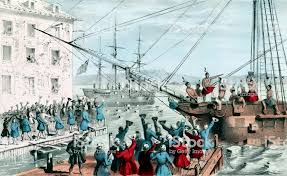
On 10th May 1773, demonstrators, some disguising themselves as Native Americans, descended on an entire shipment of tea that had been sent by the East India Company and destroyed it. They did this by boarding the ships and throwing all the chests of the tea into Boston Harbor. On 16th December 1773, Sons of Liberty organized a political protest in Boston, Massachusetts in defiance of the Tea Act. This is what came to be known as the Boston Tea Party.
Origin
The Boston Tea Party can be attributed to a couple of issues that confronted the British Empire in 1765. The first was the financial problems that were facing the British East India Company and the second one was a dispute that was going on at the time, concerning the extent that the Parliament had over the British American colonies even when it had no elected representatives. An attempt to resolve this issue by the government of the Kingdom of Great Britain led by Lord North sparked a showdown which eventually would result in the revolution.
The Tea Act
East India Company was one of Great Britain’s most significant business institutes. In 1767, through this act, the company received a refund of their tea which would be re-sold in British colonies while repealing tea taxes within Britain. Both of these, however, expired five years later and in 1772 parliament passed a new act which cut down the refund and restored the repealed taxes. This threw the company into a huge financial crisis and thus the Tea Act. This Act allowed the company to export tea to the colonies on its own while it also received full refunds on the duty of their tea that was imported to Britain. The company would sell tea cheaply, undercutting prices for the smugglers as well as those of the colonial tea farmers. The company selected consignees in Philadelphia, New York, Boston and Charleston who would sell it for commission.
Americans got wind of the Tea Act and its details while the ships were en route to the colonies. Seven ships had been released, four for Boston and one each for the other colonies. Sons of Liberty started a campaign aimed at raising awareness whose result would be compelling the consignees to step down. Protesters successfully made the consignees to step down or return the tea to England, except in Massachusetts.
In Massachusetts, the Governor advised the consignees to stand firmly, two of them being his sons. Massachusetts governor refused to let the ship with tea leave without paying duty and after the 20-day deadline was over it is said 30-130 men boarded the vessels and emptied all the 342 chests of tea into the sea, with some dressed disguised as Mohawk warrior, all in a record of three hours.
Museum
At the Boston Tea Party Ships & Museum you can be a part of the famous event that forever changed the course of American history! Historical interpreters, interactive exhibits, full-scale restored 18th Century sailing vessels, historic artifacts, and the award-winning multi-sensory documentary “Let It Begin Here” are just a taste of what you will experience during your visit.
Tea is one of the most popular drinks in the world. You make it by pouring hot water over the dried leaves of a tea plant. For centuries people believed that teas could cure illnesses, they used it as medicine. Today scientists know that tea contains chemicals that prevent cells from dying. Most teas have caffeine in them, a substance that makes you feel more active. Some people have problems drinking tea because it can cause sleeplessness.
The tea plant grows best in tropical and temperate places where rain falls throughout the year. Tea can be grown from sea level to about 2,000 metres, but the best quality grows in higher regions.
Tea comes from the leaves and buds of tea plants. Wild plants can be up to 9 metres high but on tea plantations they are cut back to a bush of about a metre in height so that workers can pluck the leaves easily. The plant produces pointed, leathery dark leaves, small white flowers and seeds that look like hazelnuts. It takes a plant three to five years before is ready for plucking.
A plucker can harvest about 20kg of tea a day. On large tea plantations the leaves are harvested by machines, but the quality of tea is higher when the leaves are hand-plucked.
Questions
1)How is tea made?
2)What did people believe?
3) What ingredients are in tea?
4)Why do not some people drink tea?
5)What is tea good for?
6)What does tea prevent?
7)Do you like drinking tea?
8)What does a tea flower look like?
9)How many years does it take for a tree to flower?